
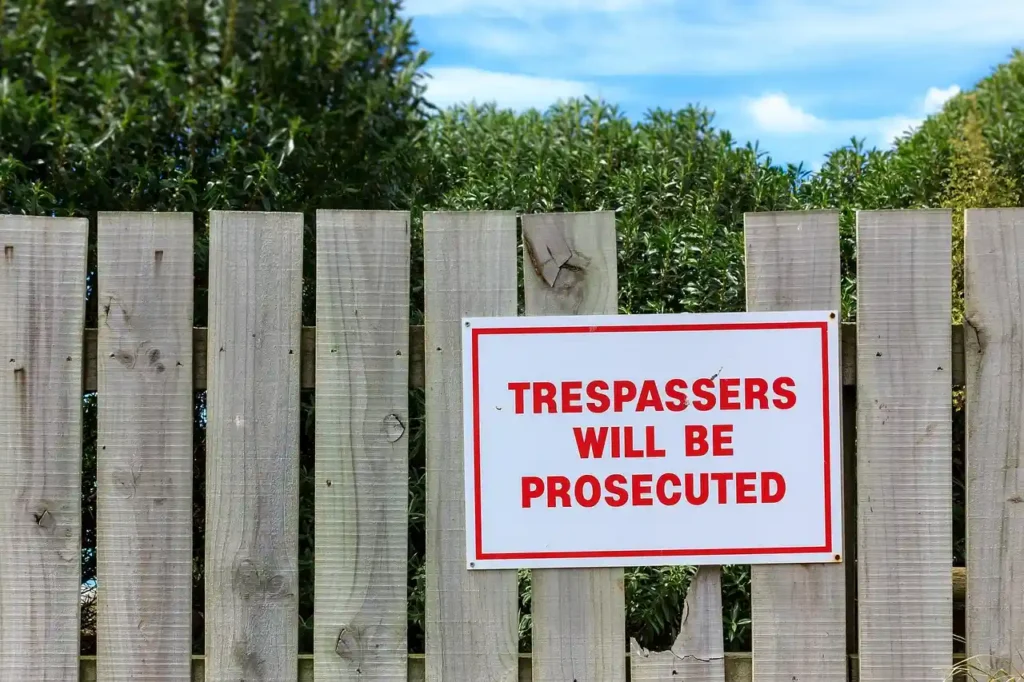
Authorities in Washington state have confirmed that 33 charged trespassing UW is now the official count in connection with a controversial pro-Palestinian campus protest at the University of Washington. Prosecutors filed criminal trespass charges against 33 individuals after protesters occupied a university building during the demonstration, an incident that drew national attention and sparked debate about campus activism and protest limits.
The case has attracted national attention because it highlights the growing tensions around campus activism related to the Israel-Palestine conflict in the United States. The decision to pursue charges has also sparked debate about the balance between free speech and unlawful activity on university campuses.
More details about the charges and the investigation were reported by local media, including coverage by KOMO News. According to their report, 33 charged trespassing UW is the final count prosecutors decided to pursue in the case.
Charges Filed Months After the Campus Occupation
According to prosecutors in King County, the individuals accused in the case were part of a group that entered and occupied the university’s Interdisciplinary Engineering Building during a protest. Officials say the building occupation disrupted campus operations and led to police intervention.
Prosecutors ultimately decided to file gross misdemeanor criminal trespass charges against 33 people. In Washington state, such charges can carry penalties including fines, probation, or possible jail time if a defendant is convicted.
The charges were filed many months after the incident occurred, following an investigation into what happened inside the building and who participated in the occupation. Authorities reviewed police reports, witness statements, and video evidence before moving forward with the case.
Background: What Happened During the Protest
The demonstration occurred during a period when pro-Palestinian protests were spreading across university campuses throughout the United States. Students and activists were organizing rallies, sit-ins, and encampments to demand changes in university policies related to companies connected with the conflict in the Middle East.
At the University of Washington, protesters gathered on campus and eventually moved into the engineering building. According to reports, the demonstrators demanded that the university sever certain institutional connections with major defense contractors.
The occupation lasted several hours before law enforcement officers arrived and cleared the building. Police detained numerous individuals who were inside the building at the time. While many protests across the country remained peaceful demonstrations, some universities faced confrontations between protesters and authorities when activists attempted to occupy campus buildings or establish long-term encampments.
Why Prosecutors Chose Trespass Charges
Despite reports of damage inside the building during the protest, prosecutors chose not to file vandalism charges in this case. Instead, they focused on criminal trespass. Legal analysts explain that prosecutors often file charges they can prove clearly in court. In many cases, trespass charges require proof that individuals remained in a location after authorities told them to leave.
In this case, authorities say protesters continued occupying the university building even after officials declared the area off-limits. Critics of the decision argue that the charges raise concerns about how universities handle political activism. Supporters of the protesters also say that civil disobedience has historically played an important role in social movements and campus activism.
University Response to the Incident
University officials said they respect the right of students and activists to express their views, but they also emphasized that occupying buildings and disrupting operations crosses a line. Administrators at the University of Washington have stated that peaceful protest is allowed on campus, but actions that prevent students and faculty from using facilities or that damage university property cannot be tolerated.
After the protest, the university launched internal disciplinary proceedings against students who participated in the building occupation. These proceedings operate separately from the criminal charges prosecutors filed, and the university may impose academic penalties depending on the outcome.
Broader Context: Campus Protests in the U.S.
The case involving 33 charged trespassing UW reflects a wider trend seen across the United States in recent years. Universities from coast to coast have seen large demonstrations related to international conflicts and political issues. Many campuses experienced protests related to the war in Gaza, with students calling on universities to divest from companies linked to military operations or defense contracts.
University administrators often face pressure from multiple sides—students demanding institutional action, while others call for stronger enforcement of campus rules. The University of Washington protest is one example of how these tensions can escalate into legal cases when demonstrations move beyond rallies and into building occupations.
What Happens Next
Now that prosecutors have filed the charges, the defendants will begin appearing in court as the legal process moves forward. Some individuals may contest the charges, while others may pursue plea agreements depending on the circumstances of their cases.
Legal experts say courts may take several months to resolve cases like this, especially when prosecutors charge multiple defendants. The final ruling will determine whether the individuals in the 33 charged trespassing UW case face fines, probation, or other penalties.
Regardless of the outcome, this case will likely become an important example in discussions about campus activism, protest rights, and the limits of civil disobedience at American universities.
FAQ
About the Author: GRV is a digital media writer who created Dumbfeed, a platform that simplifies complex global and political news into clear, engaging, and family-friendly formats. He delivers accurate, easy-to-understand explanations that help readers stay informed without the noise. When he’s not writing, GRV produces video content and short-form news updates for social media.