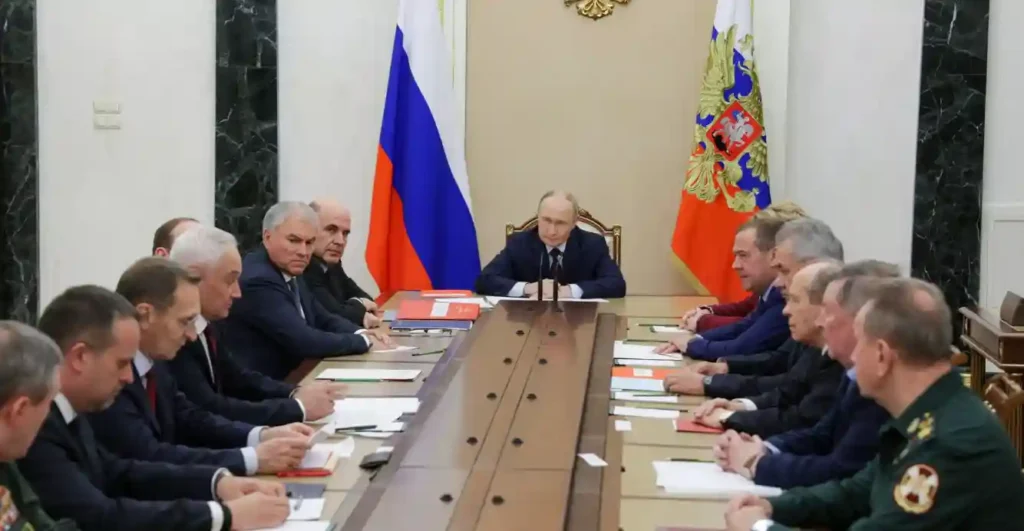
Russia has entered a decisive phase in its nuclear strategy after President Vladimir Putin instructed senior defense authorities to prepare concrete proposals for the possible resumption of Russia nuclear testing. This decision comes at a sensitive moment, especially because U.S. political figures have recently discussed restarting American nuclear tests. Consequently, Russia wants to show that it will not remain idle if global nuclear policies shift.
Although no nuclear detonation has taken place, the order itself sends a strategic message. Moscow is signaling that it will match any major escalation from Washington. In other words, Russia wants to maintain balance, not fall behind.
Background: Why Russia Nuclear Testing Is Returning to Focus
Russia stopped full-scale nuclear testing in 1990. Since then, its scientists have relied on simulations and controlled underground experiments. This long pause aligned with the spirit of the Comprehensive Nuclear-Test-Ban Treaty (CTBT). However, Russia has grown frustrated that several major nuclear powers never fully committed to the treaty in practice.
Recently, U.S. officials and analysts began debating whether the United States should resume testing. As a result, Russian policymakers interpreted these discussions as a challenge to the current global strategic balance. Therefore, Russia now aims to ensure readiness.
Where Testing May Occur and How Russia Is Preparing
If Russia nuclear testing resumes, the likely site remains Novaya Zemlya, a remote Arctic island chain used extensively during the Soviet era. The region contains test tunnels, monitoring systems, and transportation routes that Russia can reactivate quickly.
Russian defense teams are currently:
- Inspecting old infrastructure
- Verifying environmental safety equipment
- Updating security and surveillance systems
- Reviewing evacuation and airspace control protocols
These steps demonstrate active preparation, not passive observation. Yet, they do not confirm that testing will definitely happen.
Global Implications: Risk of a Renewed Arms Race
The possibility of Russia nuclear testing affects more than Russia and the United States. It influences the entire global security framework. If Russia conducts a test, other nuclear-armed nations may view it as justification to expand or modernize their own arsenals. Moreover, countries with developing defense programs may feel encouraged to accelerate them.
As a result, the world could face:
- Increased distrust between major powers
- Greater military spending
- Reduced effectiveness of arms control agreements
- Higher tensions in already unstable regions
In short, the stakes extend far beyond symbolic power politics.
Russia’s Current Position: Conditional Action
Despite the preparations, Russia continues to state that it will not act first. Putin and other officials emphasize that Russia will only resume testing if the United States does so. This stance allows Russia to position itself as strategic and restrained, while still demonstrating readiness.
However, if Washington moves, Moscow is prepared to respond immediately.
What Happens Next
The next phase depends on decisions made in the United States. If U.S. officials continue discussing nuclear testing at the policy level, Russia may keep strengthening its readiness. But if the U.S. moves toward actual field testing, Russia will likely mirror that move quickly.
Therefore, the world is watching both nations closely. The situation can shift rapidly, and the outcome could influence global nuclear security for years to come.
Source: Kremlin
For more on current events, check out our full coverage of the Earthshot Prize 2025 ceremony in Rio de Janeiro and stay updated on the latest developments.