The Iran Drinking Water Crisis at a Critical Point
The Iran drinking water crisis has reached an urgent stage. People in major cities, especially Tehran and Mashhad, now face shrinking water supplies. Reservoirs are drying faster than expected. Groundwater sources are also collapsing due to constant overuse. The situation did not appear overnight. It has grown worse year after year.
Shrinking Reservoirs and Dwindling Groundwater
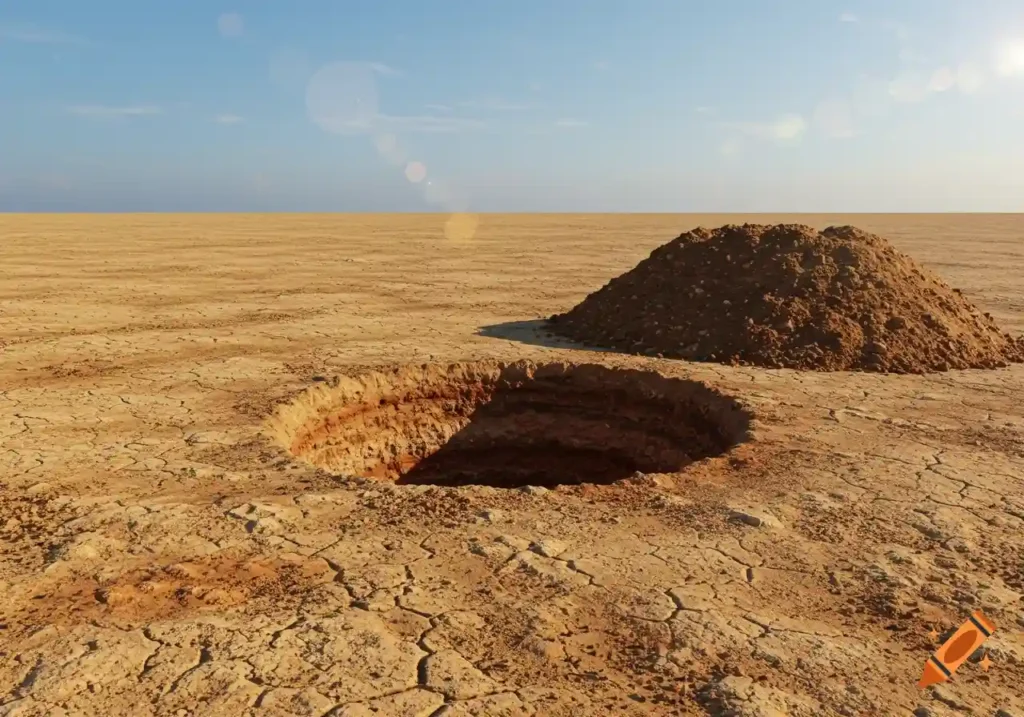
Many dams that supply big cities are holding very little water. Some lakes and rivers have nearly disappeared. As a result, officials have warned that water cuts may soon become more frequent. The reduced water level creates pressure on daily life, on farming, and on industry. The Iran drinking water crisis now affects both urban and rural populations.
Climate Pressure and Rising Temperatures
Climate change has made Iran’s natural drought cycle more severe. Rainfall has decreased in many regions. Winters are shorter and snow melts faster. Hotter summers evaporate water stored in reservoirs. These effects place extra strain on systems already struggling to supply enough clean water.
Poor Resource Management
However, climate alone is not the full cause. Government water policies and planning choices also contributed to the Iran drinking water crisis. Large parts of Iran still use outdated and wasteful irrigation systems. Farmers often grow water-heavy crops in very dry regions. Urban planning expanded quickly, but water efficiency improved slowly. These decisions increased demand while supply continued to fall.
Communities Under Pressure as the Iran Drinking Water Crisis Grows
People in Tehran already notice lower water pressure in many neighborhoods. Some communities in other provinces rely on water trucks during the hottest months. This situation increases daily stress, especially for families with limited income. Access to safe drinking water is becoming unequal. The crisis is not only environmental but also social.
What Can Help Reduce the Iran Drinking Water Crisis?
Several steps may help reduce the problem if done consistently:
- Use modern irrigation systems to reduce waste.
- Grow crops that need less water in dry regions.
- Repair leaking pipes in city water networks.
- Reuse treated wastewater for farming and industry.
- Expand water-saving education for households.
These measures require planning, investment, and cooperation. Quick fixes will not solve the crisis alone. Iran needs long-term solutions that balance supply and demand.
Moving Forward
The Iran drinking water crisis shows how climate pressure and poor planning can combine into a national emergency. The path forward must involve both policy reforms and community efforts. With clear priorities and sustained action, Iran can protect its limited water resources. Without change, shortages are likely to worsen, especially in growing cities.
Source: National Council of Resistance of Iran
For more on current events, check out our full coverage of the Japan Meteorological Agency issued a tsunami advisory for towns along the Pacific coastline and stay updated on the latest developments.