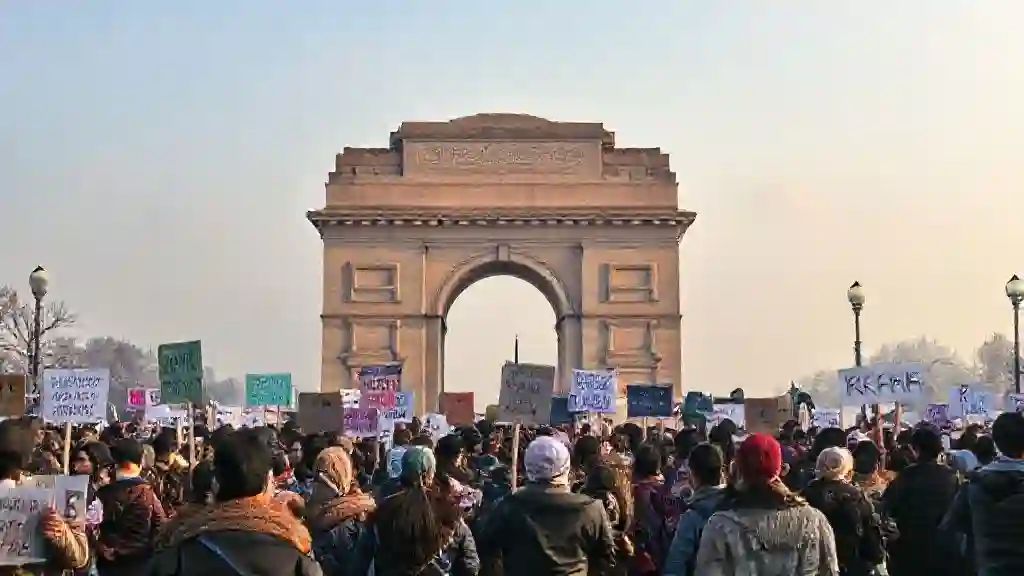
Thousands of residents gathered at India Gate in Delhi to demand action against the city’s toxic winter smog. The Delhi anti-pollution protest reflects growing public frustration over poor air quality. In many areas, the Air Quality Index reached “very poor” to “severe” levels. Citizens are concerned about immediate health risks, especially for children, the elderly, and people with respiratory issues. Many described the smog as unbearable, highlighting the urgent need for government action.
Reasons Behind the Protest
The Delhi anti-pollution protest focused on several causes. Protesters highlighted vehicular emissions, industrial pollution, and crop-residue burning in neighboring states. Parents carried signs demanding a safer environment for their children. They warned that long-term exposure to smog could cause lung damage, asthma, and reduced immunity. Protesters also urged authorities to enforce environmental laws strictly and improve public awareness campaigns. In addition, they demanded better monitoring of pollution sources and quicker government response during smog emergencies.
Who Joined the Protest
The protest saw participation from a wide range of citizens. For example, students, senior citizens, and families joined together to voice their concerns. Consequently, their presence made the Delhi anti-pollution protest a powerful symbol of civic activism. Moreover, social media amplified the movement, encouraging discussion about air quality, urban planning, and sustainable transport. Additionally, many people shared personal stories of health struggles caused by smog, making the issue more relatable.
Government Response and Challenges
Authorities detained dozens of protesters, stating that the rally at India Gate was unauthorised. Police emphasized that the government is committed to controlling pollution, but seasonal smog and enforcement challenges make the task difficult. Protesters argued that bureaucratic hurdles often prevent quick civic action. They demanded easier ways for citizens to communicate environmental concerns and contribute to policy solutions. The public reaction shows that people want transparency and immediate measures to reduce air pollution.
The Importance of Civic Engagement
The Delhi anti-pollution protest demonstrates the power of civic action. Residents can influence policy decisions by demanding stricter industrial regulations, improved public transportation, and enforcement of crop-residue burning bans. The protest also highlights the role of community participation in monitoring air quality and educating citizens about pollution risks. Clean air is no longer just an environmental concern; it is a fundamental right that affects everyone’s health and well-being.
Health Risks and Public Awareness
Winter smog in Delhi poses severe health risks. Furthermore, prolonged exposure can cause respiratory problems, allergies, reduced immunity, and long-term lung damage. As a result, children and the elderly are most vulnerable. Therefore, by participating in the Delhi anti-pollution protest, citizens are raising awareness about these dangers and encouraging the government to implement preventive measures. In addition, public campaigns, school programs, and media coverage are increasingly focusing on air pollution to inform residents about safety measures.
Looking Ahead
As winter continues, air quality in Delhi is expected to remain poor. Authorities may implement temporary traffic restrictions, construction bans, and stricter monitoring of industries to reduce pollution. Meanwhile, the Delhi anti-pollution protest sets an example for future civic engagement. Organised, authorised demonstrations at Jantar Mantar or other locations could keep public pressure on the government. Citizens are increasingly aware that their actions can drive change, and clean air remains a top priority for Delhi residents.
Conclusion
The Delhi anti-pollution protest reflects the urgency of tackling air pollution in India’s capital. Citizens are no longer willing to wait for gradual measures. They are demanding accountability, immediate action, and long-term solutions. The protest also highlights the importance of civic engagement, public awareness, and collaborative efforts between authorities and residents. Ultimately, it is a call for a healthier, safer, and sustainable Delhi for all.
Source: Reuters
For more on current events, check out our full coverage of the Overview of the Pro-Khalistan Rally Montréal and stay updated on the latest developments.