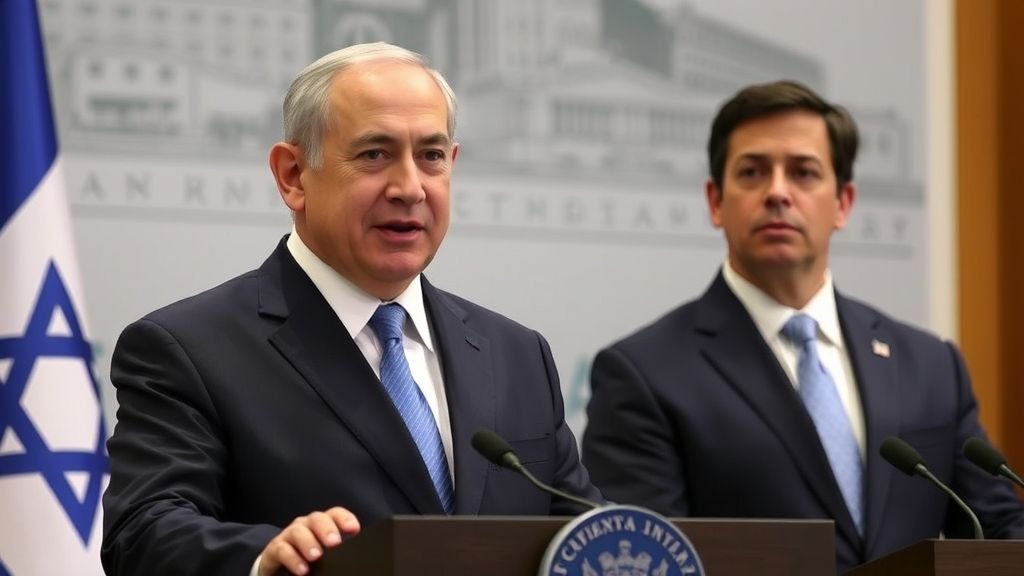
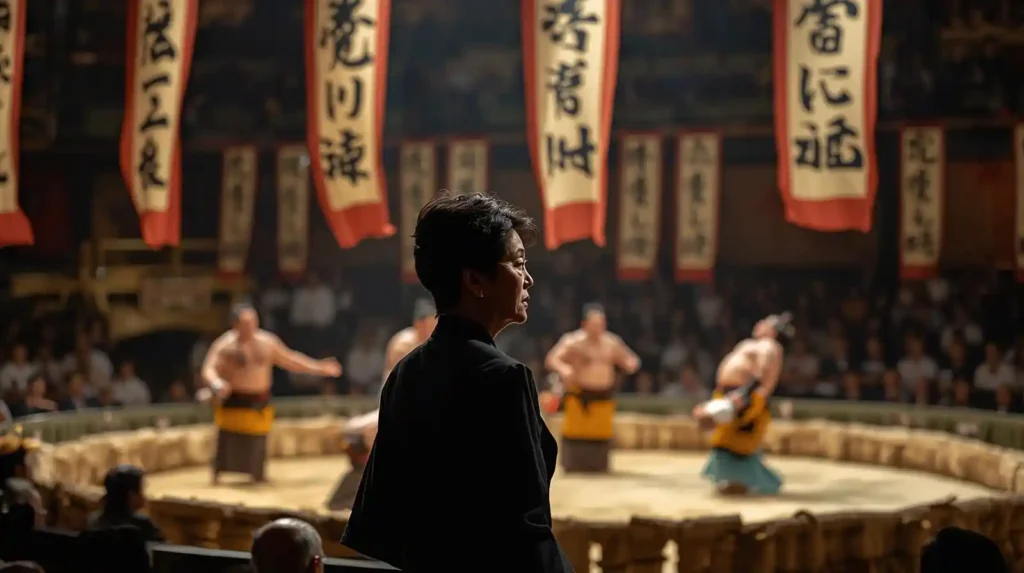
As Japan’s first female prime minister, Sanae Takaichi stands at the centre of a powerful cultural moment. The issue of the Takaichi sumo tradition has become a major talking point not only for sports fans but also for those debating gender equality, heritage, and modern Japan.
A historic moment
When Takaichi took office, she broke a long-standing gender barrier in Japanese politics. As prime minister, she also inherited the duty of presenting the Prime Minister’s Cup at a top-division sumo tournament. But here lies the challenge — professional sumo remains deeply tied to rituals and customs that still exclude women from the sacred ring (dohyo).
The sacred sumo ring and its tradition
The dohyo, the raised clay ring used for bouts, holds deep religious and cultural meaning. In Japan’s professional sumo, a Shinto-based belief says women should not enter the ring due to ideas of ritual purity. Over the years, this belief turned into a rule: only men may step inside the ring during official ceremonies, including the trophy presentation.
Takaichi’s dilemma
Here is where the Takaichi sumo tradition issue arises. Will a female prime minister be allowed — or dare — to step into the dohyo to present the trophy? Many believe that if she does, it would break more than a century of custom. If she does not, it raises a question: can tradition still outweigh gender equality in today’s Japan?
Government officials have so far given non-committal statements. For instance, the chief cabinet secretary said the prime minister wishes to “respect sumo tradition and culture.” However, no decision has been made on whether she will enter the ring. This uncertainty shows that the Takaichi sumo tradition is more than a sporting gesture. It is also a symbolic crossroads of change and continuity.
Why this matters
- Symbolically, this moment casts light on Japan’s ongoing gender-equality journey. If the country has a female prime minister, must she still abide by the same exclusionary rule that barred women from the dohyo?
- Culturally, sumo isn’t just a sport: it is one of Japan’s oldest national pastimes, entwined with Shinto ritual, centuries of ceremony, and preservation of heritage. Disrupting its norms could provoke strong reaction from traditionalists.
- Politically, Takaichi must navigate her position — she is a social-conservative leader who also symbolises a new era of female leadership. How she handles the “Takaichi sumo tradition” issue could affect her political capital both inside and outside the party.
Possible scenarios
- Takaichi enters the ring and presents the trophy — this would mark a watershed moment in the history of the Takaichi sumo tradition. It could also open the door for greater inclusion of women in future sumo events.
- She remains outside the ring — either by decision or custom — and presents from beside it or via a proxy. This might maintain continuity of tradition but raise criticism about equality and symbolism.
- A compromise: she appears on the ring’s edge or participates in a new format — preserving some tradition while acknowledging gender change.
The reactions
Media and commentators are divided. Some argue that sumo’s traditions must evolve. They point out that customs excluding women are increasingly hard to reconcile with modern norms. Others warn that forcing change could undermine the cultural and ritual meaning of the dohyo. It may also provoke backlash from within the sport’s hierarchy. The atmosphere is tense, as one article noted, Japan “wrestles with the dilemma” of allowing its first female PM into the sacred ring.
What comes next
The upcoming closing ceremony of the tournament will be closely watched. The decision on whether Takaichi will step into the ring may come at the last minute. Both the government and the Japan Sumo Association face pressure. The way the Takaichi sumo tradition unfolds could set a benchmark for how Japan handles the balance between heritage and gender change.
Whether this moment becomes a footnote or a turning point depends on action — or inaction — and on how the public responds. Takaichi’s challenge is more than ceremonial; it reflects a larger question. Can a culture built on centuries of ritual adapt to a leader who represents a different kind of change?
Source: Japan Times
For more on current events, check out our full coverage on the long fight over the waspi women pension and stay updated on the latest developments.