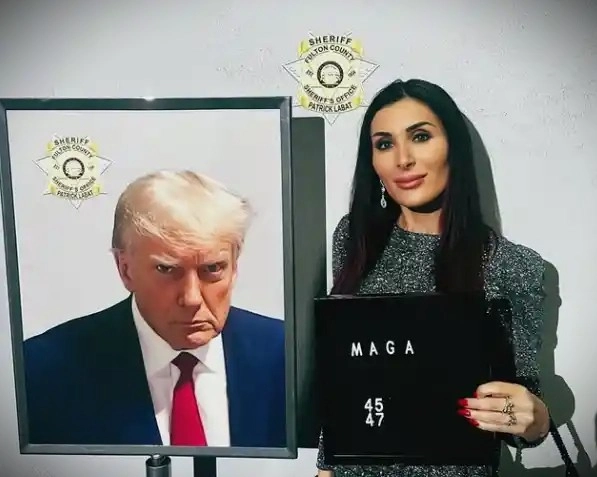
In recent years, Laura Loomer has emerged as a controversial figure at the intersection of media, political activism, and influence-peddling within the MAGA ecosystem. Meanwhile, the Loomer payment controversy lies at the heart of her growing power. It raises questions about who pays her, why she acts, and how she shapes policy — all while holding no official role.
Who is Laura Loomer?
Loomer is a far-right activist and media personality who rose to prominence through provocative stunts and conspiracy-laden content. Her claims to influence stem less from elected office and more from access, agitation, and media amplification.
The New Political Economy of Influence
In the era of social media and outsider politics, Loomer has positioned herself as a “loyalty enforcer” in the inner circles of Donald Trump and the MAGA movement. Journalistic investigations highlight how she influences staffing decisions, policy debates, and executive firings – all while operating outside formal government structures.
Behind this activity lies what many analysts call the “new political economy” of influence. It involves payments, consulting gigs, sponsored messaging, and indirect lobbying — often beyond established disclosure rules. The Loomer payment controversy centers on this shadow economy.
What the Investigations Reveal
An in-depth profile in The New Yorker describes how individuals in Washington view Loomer’s operations as pay-to-play. One source said: “It’s like this pay-to-play Tasmanian devil … you just feed her any sort of D.E.I. comment … then you just expect total anarchy and a wide blast zone.”
Even while Loomer often claims ideological purity—that she acts because of belief, not payment—the same investigations note that multiple clients and middlemen “set up payments to Loomer, in some cases using a manoeuvre called the ‘Loomer two-step’.”
Key Elements of the Loomer Payment Controversy
- Opaque compensation: While Loomer claims an annual income around US $300 000, the breakdown—how much from consulting, influence campaigns, media sponsorships—is unclear.
- Influence without disclosure: Because Loomer has no formal government position, her interactions with officials fall into a regulatory grey zone. When someone is paid to influence staffing decisions or policy, does that count as lobbying? Many say yes, but enforcement is weak.
- Media as mechanism: Loomer uses social media, livestreams, and her show to broadcast messages. That amplifies her reach, but also attracts sponsors and clients willing to pay for attention, creating a revenue loop tied to influence.
- Ethics and accountability questions: Critics argue that if she is being paid by entities to push for firings or policy shifts, the public deserves transparency. Supporters argue she’s simply a vocal grassroots activist. The Loomer payment controversy sits at the boundary of those positions.
Why It Matters
The Loomer case is emblematic of broader changes in political economy. Traditional lobbying and consulting are increasingly intertwined with influencer networks, micro-targeted media and rapid social-media campaigns. Figures like Loomer challenge classic notions of accountability: she wields outsized influence without an official mandate or oversight.
Moreover, for the MAGA movement and the Trump orbit, her role signals a shift: from formal campaign machinery toward rugged independent actors whose power comes from loyalty, disruption and spectacle. The payment question becomes a litmus test: when does activism become commodified? And when does influence bought become a shadow lobbying operation?
What to Watch
- Regulators or Congress may soon examine influencer-based campaigns more closely, especially when they affect government staffing or policy.
- Loomer and other similar actors could also face formal registration as lobbyists or consultants if they receive payments tied to government actions.
- Meanwhile, her model might be replicated by others in similar movements, further institutionalising this hybrid media-influence economy.
- How will the public and media narrative shift if more details of her compensation streams emerge?
Conclusion
The story of Laura Loomer and the Loomer payment controversy is more than a biographical curiosity. It’s a case study of how media, money and politics converge in the 21st century. As influence becomes more decentralised and transactional, the rules and ethics lag behind. Loomer’s rise – and her murky financing model – highlight the urgent need to ask: who’s paying for the power brokers behind the curtain?
Source: PBS News
For more on current events, check out our full coverage on How long will the northern lights USA be visible and stay updated on the latest developments.