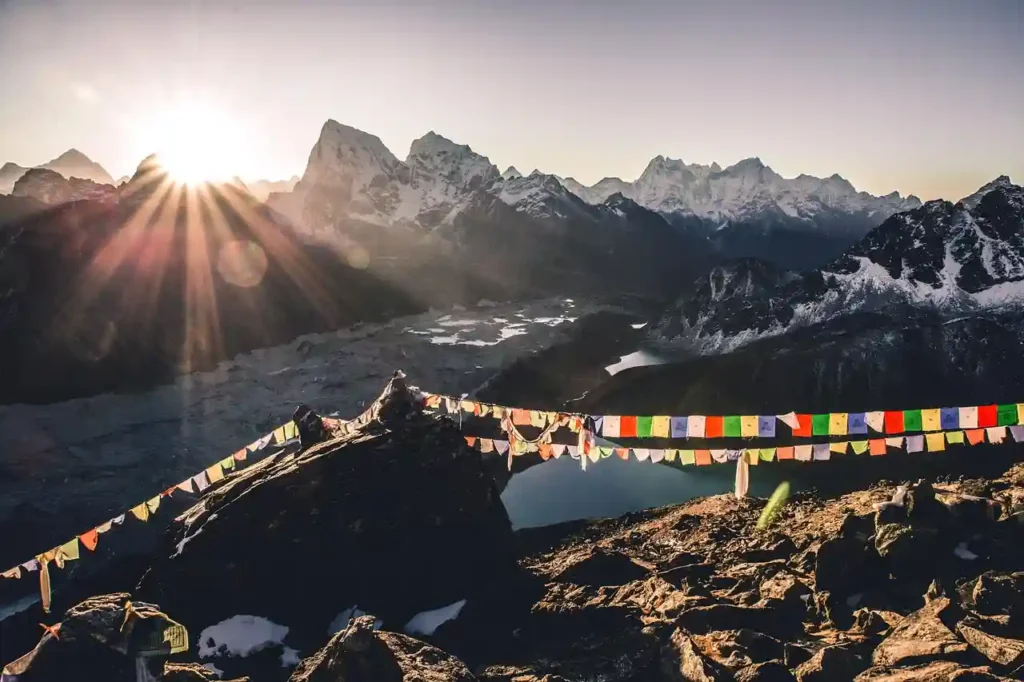
In this Nepal earthquake update, the country has been rattled once again by a 4.1-magnitude earthquake, marking the second significant tremor within a week. The quake, which struck on Sunday morning at a shallow depth of around 5 km, was strong enough for residents across multiple districts to feel clear shaking. Although preliminary reports indicate no severe damage or casualties, the frequency of these tremors has triggered renewed worry among citizens and experts familiar with Nepal’s vulnerable geography.
Understanding Nepal’s Seismic Zone in This Nepal Earthquake Update
Nepal lies directly along the boundary of the Indian and Eurasian tectonic plates, making it one of the world’s most active seismic regions. As the Indian plate continues to push northward, immense pressure builds along the Himalayan fault lines. This process, ongoing for millions of years, is the reason behind Nepal’s frequent earthquakes—both minor and major.
The recent back-to-back tremors highlight this persistent geological movement. Even moderate quakes like the latest 4.1 event can cause intense shaking if they occur at shallow depths. These quakes serve as a reminder of past tragedies and the constant risk residents live with. For example, sudden disasters can escalate quickly, as seen in unrelated tragic incidents such as the Goa nightclub fire, which underline how fast local conditions can turn dangerous.
Why These Consecutive Quakes Matter
Experts warn that while individual tremors may not be alarming on their own, clusters of earthquakes occurring close together in time often reflect shifts or stress adjustments along a fault system. Nepal has experienced similar patterns before major seismic events in its history, including the devastating earthquakes of 1934, 1988, and 2015.
Seismologists emphasize that these tremors do not necessarily signal an impending large earthquake, but they do confirm that the crust is actively adjusting. “Every small quake releases some energy, but not enough to eliminate the risk,” say many researchers who track Himalayan seismicity.
This makes ongoing monitoring essential. Seismologists rely on regional observatories, national agencies, and global networks to detect even the smallest seismic shifts. For real-time global earthquake data, one can refer to the official USGS monitoring platform at: National Centre for Seismology report
Impact on Residents and Local Response
Residents reported feeling sudden jolts that lasted a few seconds, causing many to step outdoors in precaution. In rural regions, where older homes may lack proper structural reinforcement, even small earthquakes can cause cracks or minor damage. Authorities have urged citizens to remain alert, prioritize safety, and inspect buildings for visible structural issues after any significant tremors.
Local disaster management teams are on standby, and engineers have been deployed in some districts to assess any early signs of vulnerability. Schools and government offices have also been reminded to conduct evacuation drills, especially in regions known for repeated seismic activity.
Preparedness Still Key for Nepal
The series of tremors underscores the importance of earthquake preparedness, a long-standing challenge in Nepal. Many communities still lack access to detailed safety guidelines, and older buildings remain at risk. Experts urge residents to keep emergency kits ready, identify safe spots inside homes, and stay updated through official channels.
While the recent earthquakes have not resulted in major destruction, they serve as a significant reminder of Nepal’s seismic reality. The Himalayas are still rising, the tectonic plates are still shifting, and Nepal’s landscape remains dynamic and unpredictable. Continued awareness, education, and resilience planning are essential as the region adapts to this ongoing natural threat.
Conclusion
This Nepal earthquake update reinforces that while no major damage has been recorded, the pattern of back-to-back tremors is cause for caution. Scientists, authorities, and citizens must remain vigilant as seismic activity continues to reshape Nepal’s geological future. With improved monitoring systems and better preparedness, the nation can minimize risks associated with living in one of the world’s most earthquake-prone regions.
faq
About the Author: GRV is a digital media writer and the creator of Dumbfeed, a platform dedicated to simplifying complex global and political news into clear, engaging, and family-friendly formats. He focuses on delivering accurate, easy-to-understand explanations that help readers stay informed without the noise. When he’s not writing, GRV creates video content and short-form news updates for social media.