A powerful 7.5-magnitude Japan earthquake struck the northern coastline, shaking multiple prefectures and prompting immediate tsunami alerts. Thousands of residents living near the shore were urged to evacuate as emergency sirens sounded and authorities activated coastal warning systems. According to the Japan Meteorological Agency (JMA), the event was recorded offshore with strong shaking felt across several regions.
The quake, which originated offshore at a relatively shallow depth, produced intense shaking in several cities, with residents reporting swaying buildings, falling objects, and brief power disruptions. Although initial tsunami predictions signaled a potentially dangerous rise in sea levels, the first recorded waves remained modest—yet still significant enough for officials to maintain precautionary alerts.
Japan’s advanced early-warning system gave residents crucial seconds to take cover, but transportation networks, schools, and public services still experienced disruptions as safety checks were launched across the region.
Aftershocks and Ongoing Seismic Activity
Experts warn that aftershocks are highly likely in the hours and days following the primary quake. These secondary tremors can vary in intensity and pose additional risks to weakened structures.
Seismologists monitoring the region noted that the tectonic conditions offshore have been unusually active in recent weeks. While major quakes in Japan are not uncommon due to its location along the Pacific Ring of Fire, events of this magnitude still raise concerns about fault stability and the possibility of additional seismic episodes.
Authorities have urged residents to remain cautious, avoid coastal zones until advisories are fully lifted, and stay updated through official communication channels.
Impact of the Japan Earthquake on Coastal Communities and Infrastructure
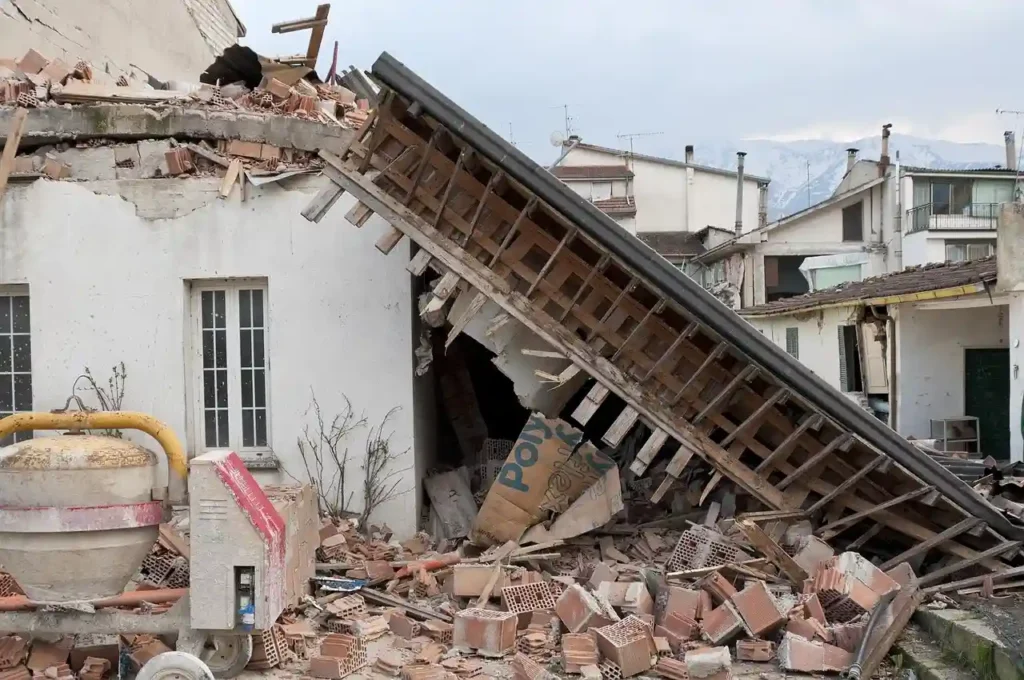
Early assessments show that several coastal towns experienced minor flooding, shaken buildings, and temporary power outages. Emergency crews were dispatched to check bridges, tunnels, and railway tracks. Bullet train services in the region were halted as a strict precautionary measure.
Hospitals also reported an increase in emergency calls—from minor injuries caused by falling objects to cases of panic and shock. In many areas, residents spent the night in community shelters while officials evaluated structural safety.
Local markets, ports, and fishing communities near the epicenter expect delays as cleanup efforts continue and maritime warnings remain in effect.
Government Response and Public Safety Measures After the Japan Earthquake
Japan’s government activated its national disaster response team within minutes of the quake. Meteorological and disaster management officials provided continuous updates, assuring the public that monitoring systems were fully operational.
Residents were advised to:
- Stay away from coastal areas until tsunami alerts are lifted
- Prepare for potential aftershocks
- Use official channels for verified information
- Keep emergency kits accessible
For additional guidance, readers may also explore our earthquake safety and preparedness guide (internal link), which outlines steps families can take before and after major seismic events.
For live seismic updates, the official earthquake bulletin from the national Earthquake Monitoring Authority (external/source link) provides real-time data, recorded wave heights, and risk assessments.
About the Author: GRV is a digital media writer and the creator of Dumbfeed, a platform dedicated to simplifying complex global and political news into clear, engaging, and family-friendly formats. He focuses on delivering accurate, easy-to-understand explanations that help readers stay informed without the noise. When he’s not writing, GRV creates video content and short-form news updates for social media.