The Kurt Cobain death ruling is once again at the center of public debate after new independent forensic claims surfaced in early 2026. More than three decades after the Nirvana frontman’s death in April 1994, fresh analysis from private investigators has reignited long-standing questions about what happened inside his Seattle home.
For years, authorities have maintained that Cobain died by suicide. However, recent reports argue that certain forensic details deserve closer scrutiny. While law enforcement has not reopened the case, the renewed attention has brought the Kurt Cobain death ruling back into headlines worldwide.
According to recent coverage from outlets such as Newsweek, independent forensic specialists have reviewed autopsy materials and crime scene documentation, suggesting that inconsistencies may exist in the original findings. These claims, though controversial, have sparked online discussion and debate among fans and commentators.
Background: What the Official Kurt Cobain Death Ruling Says
Kurt Cobain, lead singer and guitarist of Nirvana, was found dead on April 8, 1994, at his home in Seattle, Washington. Authorities determined that he had died several days earlier from a self-inflicted gunshot wound. The King County Medical Examiner ruled the death a suicide, and the Seattle Police Department closed the case shortly thereafter.
At the time, investigators cited:
- A shotgun found at the scene
- A handwritten note
- Toxicology results indicating heroin in Cobain’s system
- No immediate evidence of forced entry
The Kurt Cobain death ruling has remained unchanged since 1994. Over the years, however, documentaries, independent researchers, and private investigators have questioned aspects of the case, though none of these efforts have led to an official reversal.
What the New Forensic Claims Argue
The renewed controversy stems from independent forensic reviews conducted by private specialists who claim certain aspects of the case merit reevaluation. Among the issues raised:
- Autopsy interpretation concerns
Critics argue that toxicology levels may have impacted Cobain’s physical ability at the time of death. They question whether the reported heroin concentration would have rendered him incapable of acting. - Crime scene reconstruction questions
Some independent reviewers suggest that elements of the scene could be interpreted differently than in the original investigation. - Suicide note analysis debate
Over the years, handwriting analysts and independent commentators have debated the final lines of the note found at the scene, though no court has ruled those claims as evidence of foul play.
It is important to stress that these claims come from independent sources and have not been validated by official investigators. The Seattle Police Department has previously reviewed similar allegations and reaffirmed the original findings.
Why the Kurt Cobain Death Ruling Still Stands
Despite renewed public interest, authorities have not announced any formal reopening of the case. Law enforcement agencies have stated in past reviews that no new credible evidence has been presented that would alter the original conclusion.
In 2014, police reexamined certain materials from the case and confirmed that the evidence continued to support the suicide determination. The recent forensic claims, while widely circulated online, have not yet resulted in any official procedural changes.
The Kurt Cobain death ruling therefore remains legally and officially unchanged.
Why This Case Continues to Resurface
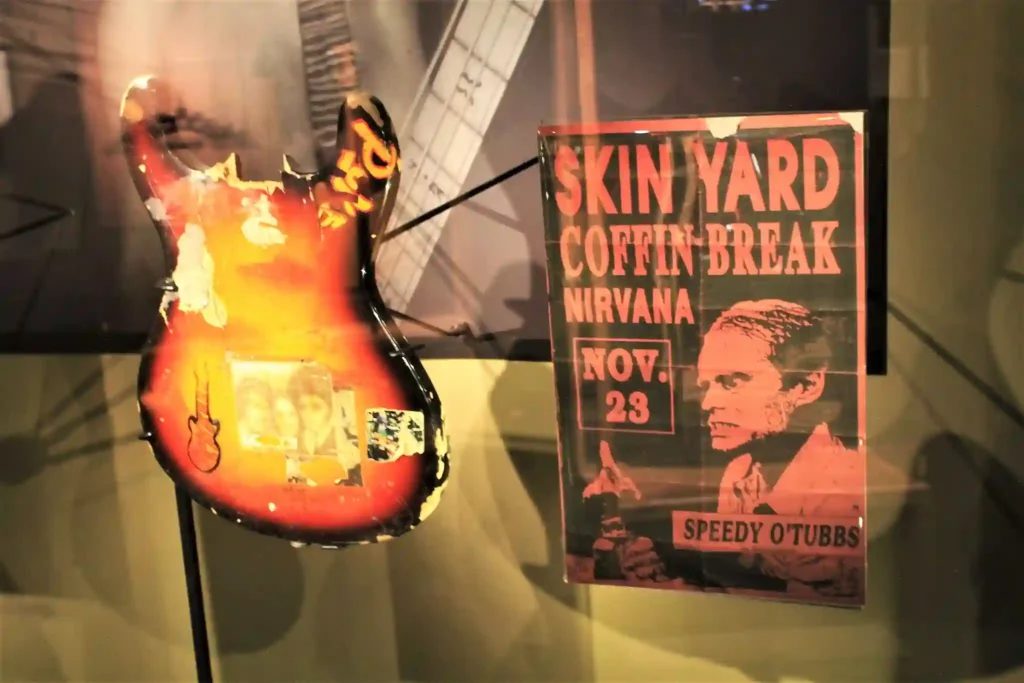
Few musicians have had the cultural impact of Kurt Cobain. As the voice of the early 1990s grunge movement, Cobain became an icon of a generation. His death at age 27 placed him among the group of influential artists who died young, often referred to in popular culture as the “27 Club.”
Several factors contribute to the ongoing interest:
- His global influence on rock music
- Public fascination with unresolved or controversial cases
- Social media amplification of alternative theories
- Anniversary milestones that renew attention
The combination of legacy, mystery, and emotion ensures that the Kurt Cobain death ruling remains a topic of discussion decades later.
Separating Speculation From Verified Facts
In high-profile cases like this, it is essential to distinguish between verified evidence and independent interpretation. While new forensic discussions may generate headlines, legal standards require substantial and verifiable proof to reopen a case.
So far:
- No court has overturned the ruling
- Authorities have not announced any homicide investigation.
- No newly introduced physical evidence has been formally accepted into record
Public debate does not automatically translate into legal action. As of 2026, the official conclusion remains unchanged.
The Broader Conversation
The renewed attention surrounding the Kurt Cobain death ruling also reflects broader conversations about mental health, addiction, and the pressures of fame. Cobain had publicly discussed struggles with chronic pain and substance use. His death continues to influence discussions about artist well-being and support systems within the entertainment industry.
For many fans, the ongoing debate is not only about forensic details but about legacy, memory, and understanding a cultural figure who shaped modern rock music.
Conclusion
The Kurt Cobain death ruling continues to stand as a suicide determination made in 1994. However, new independent forensic claims have revived public discussion in 2026. While these challenges have not led to an official reopening of the case, they demonstrate the enduring interest in one of music history’s most debated deaths.
Until credible new evidence emerges that meets legal standards, the original ruling remains in place. Still, the conversation shows no sign of disappearing.
FAQ
About the Author: GRV is a digital media writer who created Dumbfeed, a platform that simplifies complex global and political news into clear, engaging, and family-friendly formats. He delivers accurate, easy-to-understand explanations that help readers stay informed without the noise. When he’s not writing, GRV produces video content and short-form news updates for social media.