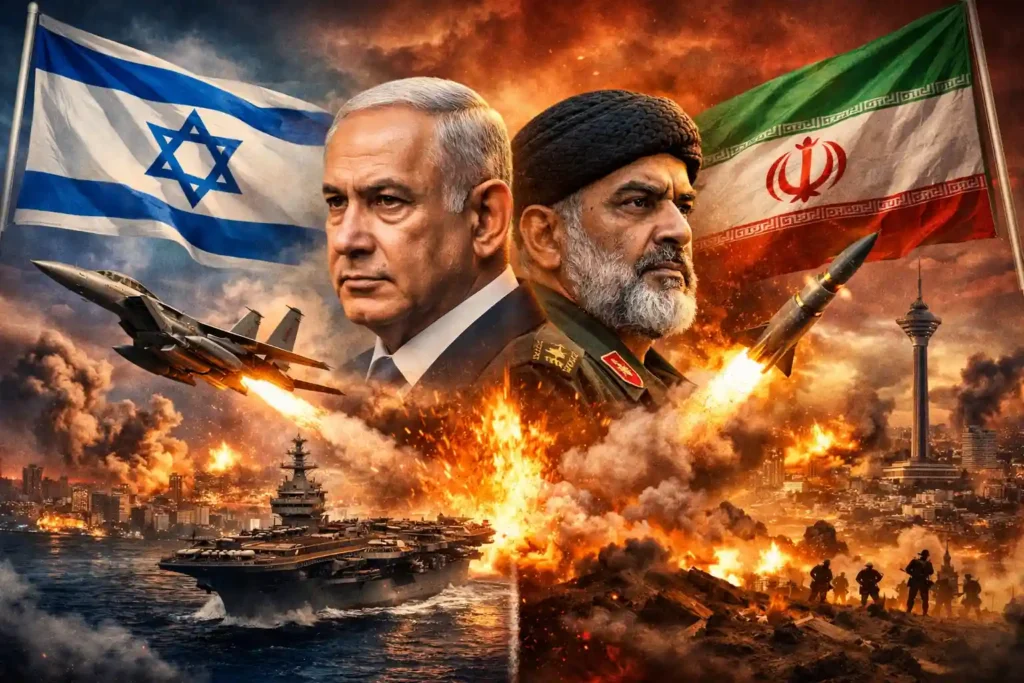
The Israel Iran war marks one of the most serious escalations in Middle Eastern geopolitics in decades. For years, tensions between Israel and Iran played out through proxy conflicts, cyber operations, covert attacks, and political rhetoric. But the latest confrontation has pushed the rivalry into a far more dangerous phase—direct military confrontation.
The conflict did not emerge overnight. It is the result of years of mistrust, regional competition, and concerns about security, nuclear capability, and influence across the Middle East. The current Israel Iran war has drawn global attention because of the risks it poses not only to the region but also to global energy markets, diplomatic alliances, and international security.
According to analysis published by the U.S. Congressional Research Service, rising tensions, missile exchanges, and retaliatory military actions have significantly increased the risk of open confrontation between Israel and Iran. What was once largely a shadow conflict involving covert operations, cyber activities, and proxy groups has increasingly shifted toward direct military escalation in the Israel Iran war.
Understanding the origins and implications of the Israel Iran war requires looking at the long history of rivalry between the two nations and how recent events triggered a new phase of hostilities.
Why the Israel Iran War Started
The roots of the Israel Iran war lie in decades of geopolitical rivalry. Iran views Israel as a strategic adversary and opposes its influence in the region, while Israel considers Iran’s nuclear ambitions and military alliances a major security threat. Over the past two decades, several developments increased tensions:
- Iran’s expanding missile capabilities
- Israel’s concerns about Iran’s nuclear program
- Iran’s support for armed groups across the Middle East
- Israeli military operations targeting Iranian assets in neighboring countries
These tensions led to numerous covert actions, including cyberattacks, sabotage operations, and targeted strikes. However, despite these confrontations, both sides largely avoided direct large-scale war.
The situation changed when military actions and retaliations escalated rapidly, turning the long-standing rivalry into a direct confrontation. As a result, the Israel Iran war became one of the most closely watched geopolitical crises in the world.
How the Israel Iran war Is Reshaping the Middle East
The Israel Iran war is not just a bilateral conflict. Its consequences extend far beyond the two countries involved. Several regional and global factors make this conflict particularly significant.
Regional Security Shifts
Countries across the Middle East are closely monitoring the conflict. Some nations fear that the Israel Iran war could trigger a broader regional confrontation involving multiple actors. Alliances in the region are complex. Some countries maintain strategic partnerships with Western powers, while others maintain diplomatic or economic ties with Iran. This delicate balance means that even small escalations could affect the broader regional security landscape.
Impact on Energy Markets
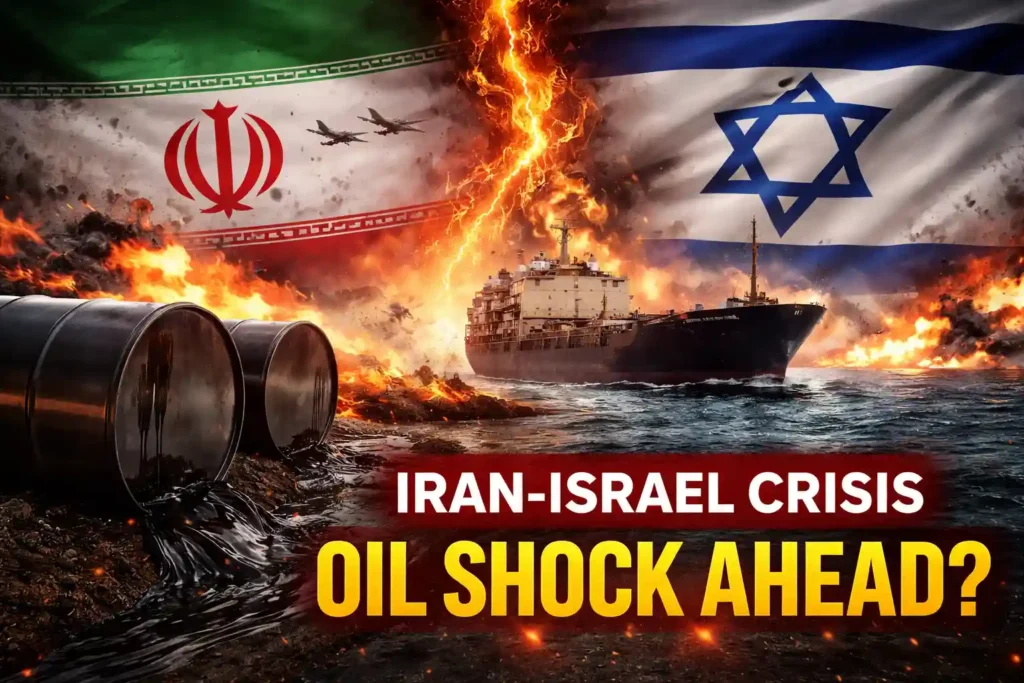
The Middle East is one of the most important regions for global energy supply. Any prolonged Israel Iran war could disrupt shipping routes, oil production, or trade flows. Even the possibility of instability near major shipping corridors raises concerns for global energy markets. Investors and governments worldwide are watching developments carefully because energy price fluctuations can affect economies far beyond the Middle East.
Strategic Military Implications
Modern conflicts increasingly involve advanced technology, including drones, missile systems, cyber capabilities, and intelligence operations. The Israel Iran war demonstrates how modern warfare combines conventional military force with technological tools. Both countries have invested heavily in military capabilities, which makes escalation particularly dangerous. The longer the conflict continues, the greater the risk of unintended consequences.
Global Reactions to the Israel Iran War
The international community has reacted cautiously to the Israel Iran war. Governments and diplomatic organizations are urging restraint while monitoring developments closely. Some global powers have called for de-escalation and diplomatic negotiations. Others are primarily concerned about the economic and security implications of the conflict.
International organizations have also warned that prolonged fighting could create humanitarian challenges, including displacement, economic instability, and disruption of regional trade routes. The Israel Iran war therefore represents not only a regional issue but also a global geopolitical challenge.
Possible Future Scenarios
Predicting the future of the Israel Iran war is difficult because conflicts often evolve quickly. However, analysts commonly discuss several possible scenarios.
1. Diplomatic De-Escalation
In this scenario, international mediation helps reduce tensions. Negotiations could lead to a temporary ceasefire or agreements aimed at preventing further escalation.
2. Limited Regional Conflict
The conflict may continue with intermittent strikes and retaliatory actions without expanding into a full regional war.
3. Broader Regional Escalation
The most concerning scenario would involve additional regional actors becoming involved in the conflict, potentially transforming the Israel Iran war into a wider Middle Eastern crisis.
Each of these outcomes depends on political decisions, diplomatic efforts, and military developments in the coming weeks or months.
Why the Israel Iran War Matters Globally
The Israel Iran war is not just another regional conflict. It reflects deeper geopolitical shifts that could reshape international relations.
Key reasons the conflict matters globally include:
- The Middle East’s strategic importance for global trade and energy
- The potential for military escalation involving multiple countries
- The impact on diplomatic alliances and global security
For decades, analysts warned that tensions between Israel and Iran could eventually lead to direct confrontation. The current Israel Iran war shows how fragile regional stability can be when long-standing rivalries reach a breaking point.
As the situation continues to evolve, the world will be watching closely to see whether diplomacy or escalation determines the next chapter of this conflict.
fAQ
About the Author: GRV is a digital media writer who created Dumbfeed, a platform that simplifies complex global and political news into clear, engaging, and family-friendly formats. He delivers accurate, easy-to-understand explanations that help readers stay informed without the noise. When he’s not writing, GRV produces video content and short-form news updates for social media.