In the 20th century, oil shaped empires. Today, Rare Earth Geopolitics is emerging as the defining force behind global power, as nations quietly compete for control over critical minerals. This new resource battle is less visible—but far more consequential.
From smartphones to fighter jets, these obscure elements are rapidly becoming the backbone of modern technology, tying global dominance to who controls their supply.
What Are Rare Earths—and Why Do They Matter?
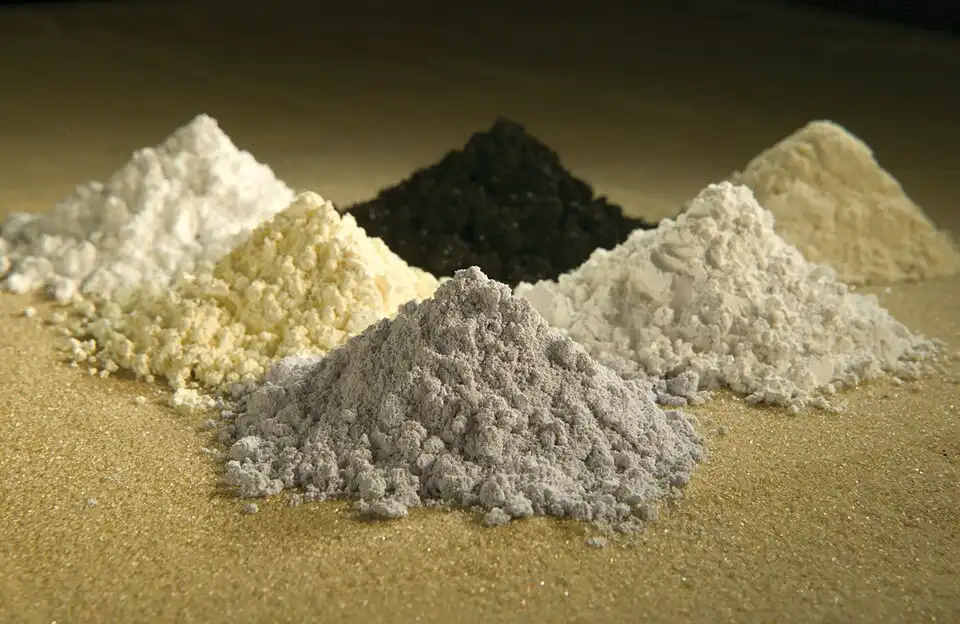
Rare earth elements (REEs) are a group of 17 metals essential for manufacturing advanced technologies. Despite their name, they are not actually rare—but they are difficult and environmentally costly to extract and refine. They are indispensable in:
- Electric vehicles (EVs) and batteries
- Wind turbines and renewable energy systems
- Advanced military hardware (missiles, radar, stealth tech)
- Consumer electronics like smartphones and laptops
According to the International Energy Agency, demand for critical minerals—including rare earths—could grow exponentially as countries accelerate their transition to clean energy. For deeper data insights, see this report from the IEA.
The Current Landscape: China’s Strategic Advantage
No discussion of Rare Earth Geopolitics is complete without acknowledging one dominant player: China.
China controls:
- Around 60–70% of global rare earth mining
- Nearly 85–90% of processing and refining capacity
This dominance didn’t happen overnight. For decades, China invested heavily in mining infrastructure, processing technology, and global supply chains—while other nations outsourced production due to environmental and economic concerns.
Today, that decision is reshaping global power dynamics.
Recent developments show:
- The United States is investing billions to build domestic supply chains
- The European Union has launched its Critical Raw Materials Act
- Countries like Australia and India are ramping up exploration and partnerships
The Geopolitical Shift: From Oil to Minerals
Oil once dictated alliances, wars, and economic leverage. Rare earths are now stepping into that role—but with a crucial difference: they are embedded in future technologies, not just energy.
This shift introduces a new kind of geopolitical tension:
1. Supply Chain Vulnerability
Countries dependent on a single supplier face strategic risks. Any disruption—political, economic, or military—can cripple industries.
2. Weaponization of Resources
China has previously hinted at restricting rare earth exports during trade tensions, signaling that these materials could be used as geopolitical leverage.
3. Technological Sovereignty
Control over rare earths increasingly means control over:
- Artificial intelligence hardware
- Defense systems
- Green energy infrastructure
In short, who controls rare earths may control the future of innovation.
Current Developments: A Global Scramble
The race is now fully underway.
- The U.S. is reopening domestic mines and partnering with allies
- Japan is investing in recycling technologies to reduce dependence
- Africa is emerging as a new frontier for rare earth mining
- India is exploring public-private partnerships to boost extraction
Meanwhile, China continues to consolidate its position through:
- Overseas investments in Africa and Latin America
- Advanced refining capabilities
- Strategic export policies
This is no longer just an economic issue—it is a strategic competition.
Global Consequences: A Fragmented Resource Order?
The rise of Rare Earth Geopolitics could lead to a more fragmented and competitive global order.
Economic Impact
Supply disruptions could drive up costs for:
- Electric vehicles
- Renewable energy projects
- Consumer electronics
Strategic Tensions
Resource competition may intensify rivalries between major powers, particularly between the U.S. and China.
Energy Transition Risks
Ironically, the push for green energy depends heavily on these minerals. A constrained supply could slow climate goals worldwide.
New Alliances
Countries rich in rare earths—like those in Africa—could gain newfound geopolitical importance, reshaping global alliances.
Analysis: Why This Moment Matters
This is not just about minerals—it’s about control over the future global order. Unlike oil, rare earth supply chains are:
- More complex
- More concentrated
- Harder to replace quickly
This makes them a high-leverage strategic asset.
For countries like India, this presents both a challenge and an opportunity:
- Reduce import dependency
- Invest in domestic capability
- Position itself as a reliable alternative in global supply chains
The decisions made today will determine who leads in technology, defense, and energy for decades.
Conclusion: The New Currency of Power
Rare earth minerals are no longer obscure elements buried in textbooks—they are fast becoming the currency of global power. As nations race to secure supply chains, invest in alternatives, and reduce dependencies, the world is entering a new era of competition. One where control over resources doesn’t just fuel economies—it defines geopolitical influence.
The age of oil may not be over—but the age of rare earths has clearly begun.