A Disruption That Signals Something Bigger
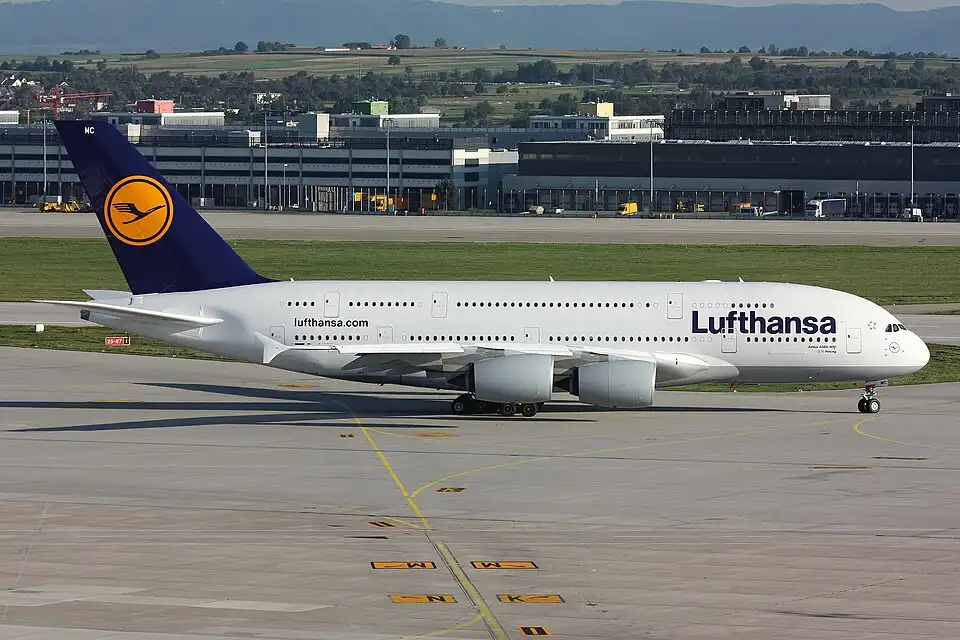
The latest Lufthansa pilot strike is more than just another wave of canceled flights—it is a warning flare for the entire aviation industry. What appears as a labor dispute in Germany is rapidly unfolding into a broader story about workforce tensions, fragile recovery, and systemic stress in global air travel.
As passengers scramble for alternatives and airlines struggle to maintain operations, one question looms large: is this the beginning of a new era of aviation instability?
Background: A Brewing Labor Conflict
The current crisis at Lufthansa stems from long-standing disputes between management and pilot unions over wages, working conditions, and job security. While such conflicts are not new in aviation, the timing is critical.
The airline industry is still recovering from pandemic-era losses, and staffing shortages have already stretched operations thin. Pilots, who played a crucial role during the industry’s recovery phase, are now demanding compensation that reflects increased workloads and inflation pressures.
According to recent operational updates and reporting, unions have called for multiple days of industrial action, leading to widespread disruptions across Europe’s busiest hubs.
Current Developments: Widespread Disruptions
The immediate impact of the Lufthansa pilot strike has been severe:
- Hundreds of flights canceled across major hubs like Frankfurt and Munich
- Tens of thousands of passengers stranded or forced to rebook
- Significant delays cascading across European airspace
While some long-haul flights continue to operate, short-haul routes—critical for regional connectivity—have been hit the hardest. The disruption is not confined to Lufthansa alone; partner airlines and airport systems are also feeling the strain.
Moreover, the timing of the strike—during a busy travel period—has amplified its effects, exposing vulnerabilities in scheduling and contingency planning.
Geopolitical Implications: More Than an Airline Dispute
At first glance, the Lufthansa pilot strike may seem like a domestic labor issue. However, its implications extend far beyond Germany.
1. Labor Movements Across Europe
The strike reflects a growing wave of labor unrest across Europe. From rail workers in France to port staff in the UK, multiple sectors are witnessing increased union activity. Aviation, with its high visibility and economic importance, has become a focal point.
If pilot unions succeed in securing significant concessions, it could set a precedent for similar demands across other airlines, potentially triggering a continent-wide labor ripple effect.
2. Strategic Vulnerabilities in Mobility Networks
Air travel is a cornerstone of global connectivity. Disruptions in major hubs like Frankfurt—one of Europe’s key transit points—can have cascading effects on international travel, trade, and diplomacy.
Governments rely heavily on stable aviation networks for:
- Business travel
- Tourism revenue
- Diplomatic mobility
A prolonged or repeated strike scenario could force policymakers to rethink how critical infrastructure like aviation is managed and protected.
3. Economic Pressure on the Aviation Sector
The aviation industry operates on thin margins, and repeated disruptions can quickly erode profitability. For Lufthansa, the strike comes at a time when the airline is trying to stabilize its finances post-pandemic.
Higher wage settlements, if agreed upon, could:
- Increase operational costs
- Lead to higher ticket prices
- Reduce competitiveness against low-cost carriers
This creates a delicate balancing act between maintaining workforce satisfaction and ensuring financial sustainability.
Possible Global Consequences
The Lufthansa pilot strike may have ripple effects far beyond Europe:
Rising Ticket Prices Worldwide
As labor costs increase, airlines may pass these expenses on to consumers. This could make air travel less accessible, particularly for budget-conscious travelers.
Supply Chain Disruptions
Air cargo, often overlooked, is a critical component of global trade. Delays in flights can impact the movement of high-value and time-sensitive goods, from electronics to pharmaceuticals.
Talent Shortages Intensify
If working conditions remain a point of contention, the industry may struggle to attract and retain skilled pilots. Training new pilots is time-consuming and expensive, adding to long-term challenges.
Policy and Regulatory Shifts
Governments may intervene more actively in labor disputes within critical sectors like aviation. This could lead to new regulations aimed at minimizing disruptions, but also potentially limiting union power.
Conclusion: A Turning Point for Aviation?
The Lufthansa pilot strike is not an isolated incident—it is a reflection of deeper structural tensions within the aviation industry. As airlines navigate post-pandemic recovery, rising costs, and evolving workforce expectations, such conflicts may become more frequent.
For passengers, this could mean a future of less predictable travel. For airlines, it signals the urgent need to rethink labor relations and operational resilience.
Ultimately, the strike serves as a stark reminder: the stability of global aviation depends not just on technology and infrastructure, but on the people who keep it running.