The Bangladesh elections impact is already being felt across South Asia and beyond. After the Bangladesh Nationalist Party (BNP) secured a decisive victory in the 2026 general elections, global attention shifted quickly to what this political change means for regional stability, trade, and diplomacy.
Bangladesh is not just another country holding elections. It sits at a strategic location between India and Southeast Asia, with strong trade ties to China, the United States, and Europe. Therefore, any major political shift in Dhaka sends ripple effects across global geopolitics.
According to Reuters, the Bangladesh elections impact reflects a major turning point after years of political tension, protests, and instability.
Let’s break down the Bangladesh elections impact on key global players.
Impact on India–Bangladesh Relations
India and Bangladesh share a long border, deep trade connections, and cultural ties. Under Sheikh Hasina’s Awami League, relations were considered very close. However, BNP governments historically had a more cautious approach toward India.
Key Issues Ahead
- Border security concerns
- Teesta River water-sharing agreement
- Trade balance and energy payments
- Illegal migration and smuggling
Despite these issues, the new government is expected to maintain stable relations because economic cooperation benefits both countries. India needs Bangladesh for connectivity to its Northeast, while Bangladesh relies on Indian energy, trade routes, and investment. So the likely scenario is practical cooperation with political caution.
Impact on China–Bangladesh Relations
China has invested billions of dollars in Bangladesh infrastructure projects like bridges, ports, and railways. The BNP government is expected to continue welcoming Chinese investment while trying not to anger India. This means Bangladesh will likely follow a balanced diplomacy strategy, working with both India and China based on national interest. This “Bangladesh First” policy is common among smaller but strategically located countries.
Impact on Pakistan–Bangladesh Relations
Another part of the Bangladesh elections impact involves Pakistan. Some Islamist parties that have historically shown sympathy toward Pakistan gained seats in parliament. This could slightly improve Pakistan’s diplomatic space in Bangladesh. However, BNP itself is unlikely to fully align with Pakistan because Bangladesh values its economic ties with India and the West. So any improvement in Pakistan relations will likely remain limited.
Impact on United States and Western Countries
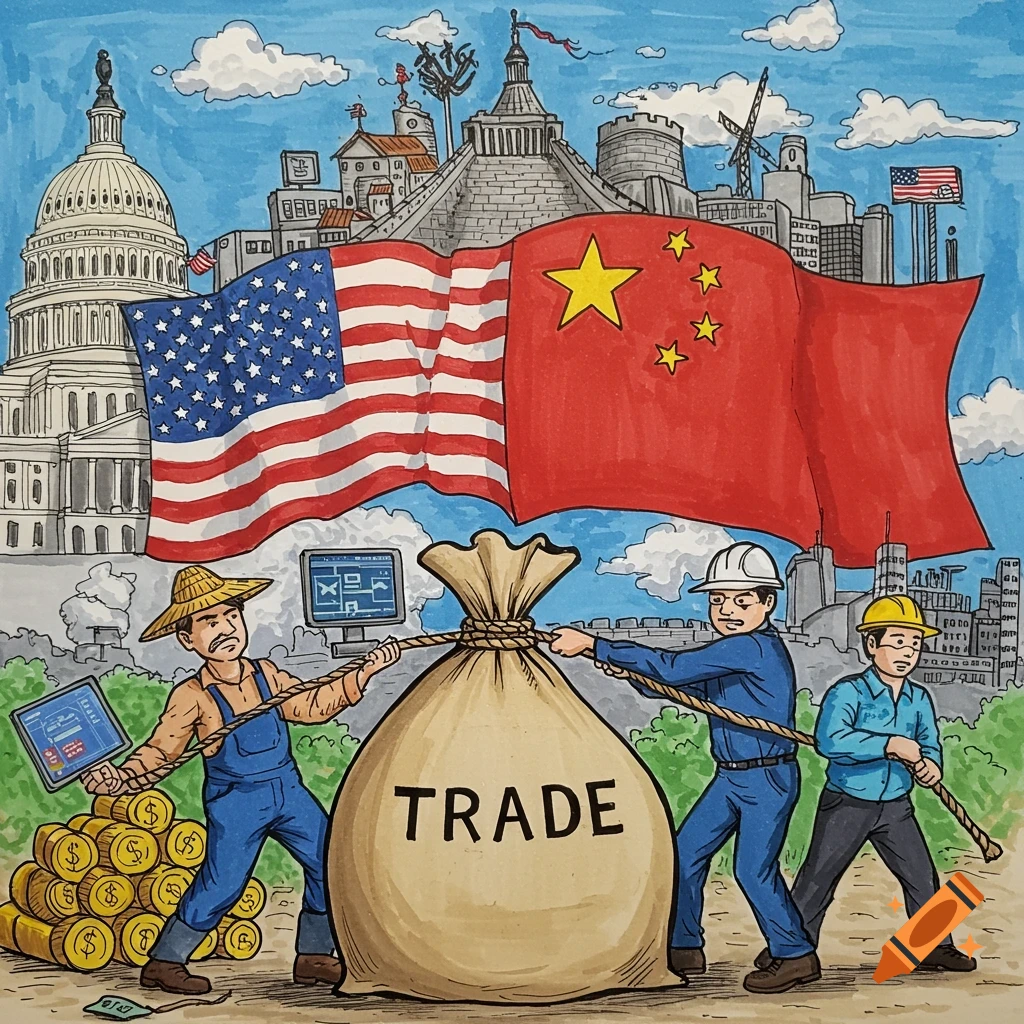
Bangladesh is one of the world’s largest garment exporters, and the US is a major buyer.
Western countries mainly care about:
- Political stability
- Human rights
- Free elections
- Trade continuity
If the BNP government ensures stability and economic reforms, ties with the US and EU will remain strong.
In fact, Bangladesh’s textile industry will continue competing with India and Vietnam in global markets.
Impact on South Asia Geopolitics
The Bangladesh elections impact is significant because South Asia is already experiencing major political changes.
Bangladesh’s new leadership will influence:
- Bay of Bengal security
- Trade routes
- Regional connectivity
- Counter-terrorism efforts
A stable Bangladesh helps India’s Northeast economy and supports ASEAN trade links.
But instability could increase migration, smuggling, and security risks.
What Tarique Rahman’s Leadership May Bring
BNP leader Tarique Rahman is expected to follow a national-interest-first foreign policy.
This means Bangladesh will cooperate with any country that benefits its economy and security.
Possible policy directions:
- Strong textile export push
- Balanced India-China diplomacy
- Tough stance on extremism
- Focus on economic growth
If handled wisely, Bangladesh could become one of South Asia’s fastest-growing economies.
Economic Competition With India
India and Bangladesh compete in textile exports to global markets. Both countries want trade deals with the US and EU. This competition is healthy and can create jobs in both nations. Instead of conflict, economic competition may actually strengthen regional growth.
Challenges Ahead
Despite optimism, the new government faces serious challenges:
- Political divisions after protests
- Inflation and unemployment
- Managing Islamist groups
- Balancing China and India
- Maintaining democratic institutions
How BNP handles these issues will determine the long-term Bangladesh elections impact.
Conclusion
The Bangladesh elections impact goes far beyond Dhaka’s parliament. For example, it affects India’s security, China’s investments, Pakistan’s diplomacy, and even global trade networks. However, rather than leading to open conflict, the most likely outcome is careful balancing. Moreover, Bangladesh’s new leadership understands that cooperation with multiple global powers is essential for long-term growth. Therefore, the world will be watching closely as Bangladesh begins to write its next political chapter.
FAQ
About the Author: GRV is a digital media writer who created Dumbfeed, a platform that simplifies complex global and political news into clear, engaging, and family-friendly formats. He delivers accurate, easy-to-understand explanations that help readers stay informed without the noise. When he’s not writing, GRV produces video content and short-form news updates for social media.