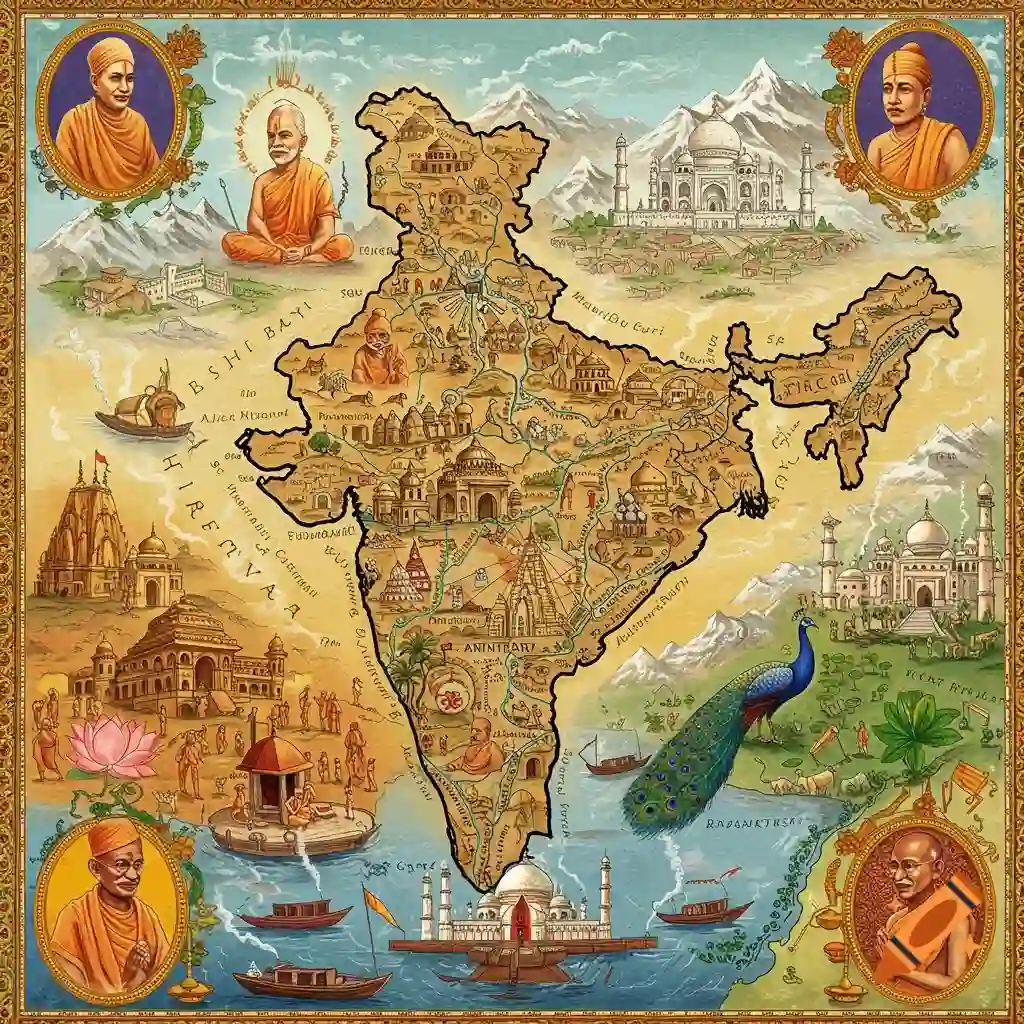
The song Vande Mataram holds a special place in India’s heart. But beyond its familiar lines there lie many lesser‑known stories, twists and hidden facts about this national song. In this piece we will delve into those intriguing details about Vande Mataram — where it came from, how it evolved, and why it still matters.
It began as a poem in a novel
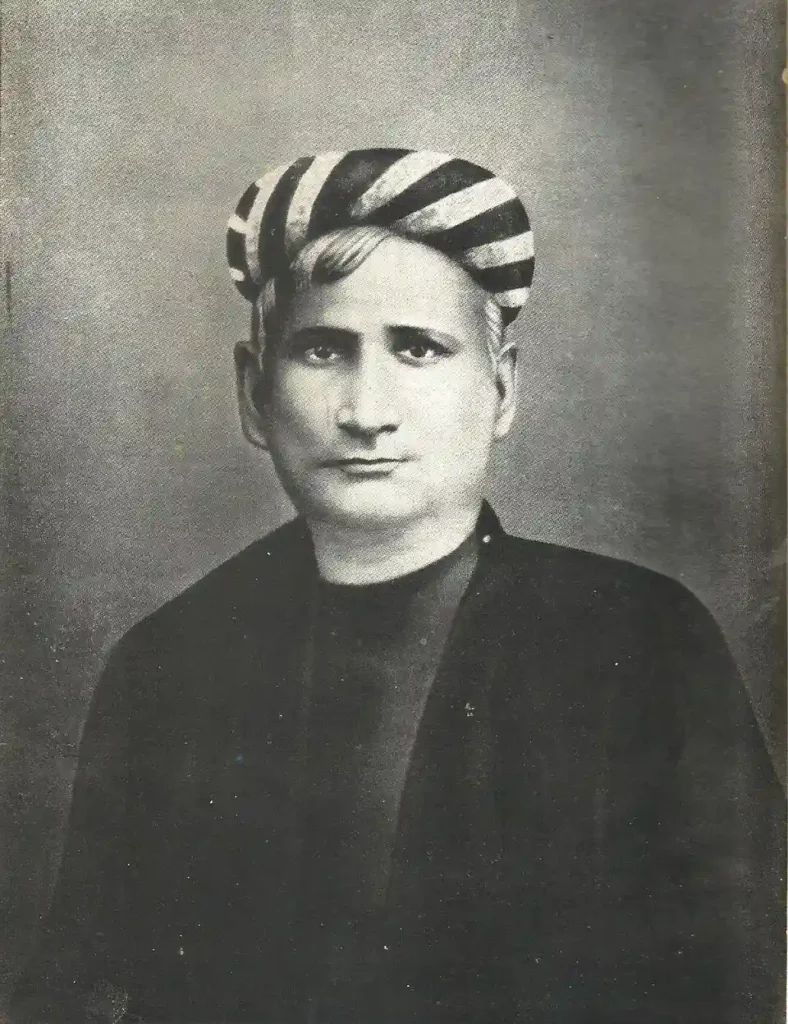
Most know that Vande Mataram was written by Bankim Chandra Chattopadhyay, but fewer realise that it originally appeared as a poem inside his Bengali novel Anandamath (published 1882) rather than as an independent anthem.
Composition and First Publication of Vande Mataram
The poem is believed to have been composed around the mid‑1870s (often cited 1875) and was first published in the periodical Bangadarshan.
Rallying cry of freedom movement
During India’s struggle for independence, Vande Mataram became a powerful rallying cry, sung at meetings of the Indian National Congress, used in protests, and even banned by British authorities at times because of its mobilising power.
It was given “equal” status with the national anthem
On 24 January 1950, the Constituent Assembly of India declared that Vande Mataram, having played a historic role, shall be honoured equally with the national anthem (Jana Gana Mana).
Not all verses are regularly sung
Although the full poem contained multiple stanzas, in practice public renditions of Vande Mataram often use just the first two verses. The later verses had imagery and references that generated debate about inclusion.
It started out referring to “Mother Bengal”
Originally, when Bankim wrote Vande Mataram, his muse was thought to be ‘Mother Bengal’ (Banga Mata) in the context of his novel Anandamath, rather than explicitly ‘Mother India’. Over time, the symbol shifted to include the whole motherland.
Musical Evolution of Vande Mataram
The poem has been set to many musical tunes, and recordings date back to the early 1900s. Over time it has been interpreted, arranged, rendered in different languages, and used in films and public events.
Its legal status is unique
Unlike the national anthem, Vande Mataram is not mentioned in the Constitution of India, but it is officially recognised by the Government as the national song and is accorded equal honour.
Conclusion: The Enduring Legacy of Vande Mataram
These hidden facts about Vande Mataram reveal a rich tapestry: a literary origin, a freedom‑movement backbone, a symbol of motherland‑devotion and a continuing legacy. When you next hear or sing this national song, you can appreciate the journey it has made, and the many layers it carries.
Sources: Know India, Wikipedia, Britannica
For more on current events, check out our full coverage of the Prime Minister Narendra Modi will flag off four Vande Bharat trains during his visit to Varanasi and stay updated on the latest developments.