The Justice Swaminathan case has, in a surprisingly short span of time, grown from a local temple dispute into a national talking point. What started as a disagreement over where to light a festival lamp in Madurai has now pulled in the judiciary, the state government, Members of Parliament, and a wave of public reactions.
For a detailed report on the impeachment notice and how the issue unfolded, you can also refer to LawBeat’s coverage here: Read the report here
A Court Order That Broke Open an Old Argument
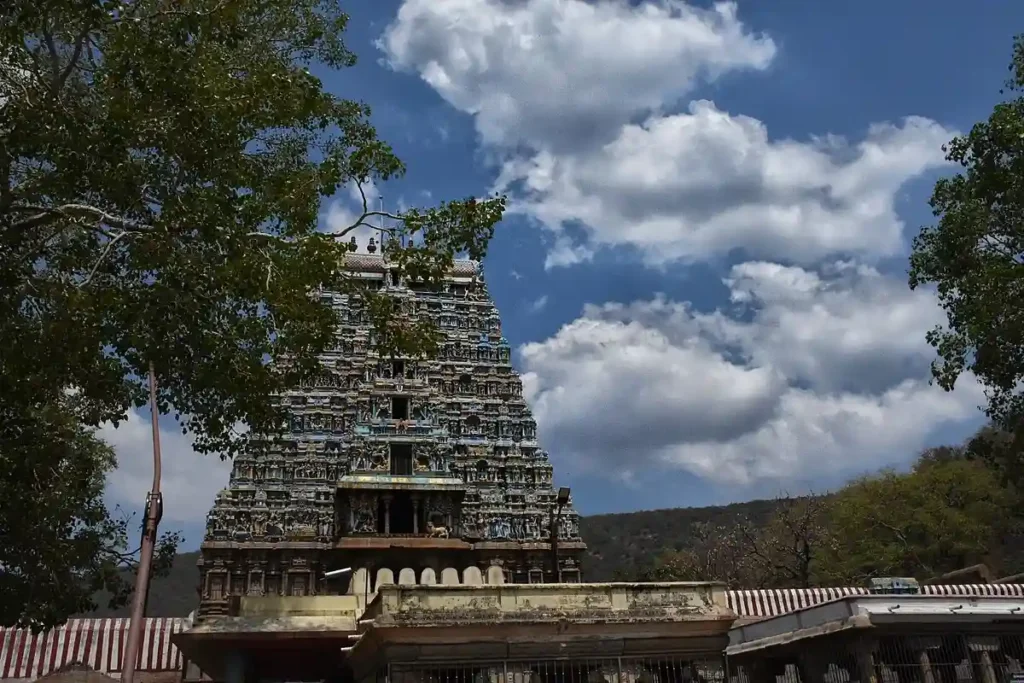
At the heart of the Justice Swaminathan case is the December 1 order that permitted the lighting of the Karthigai Deepam at the Deepathoon — a small stone pillar perched on the Thiruparankundran hilltop, close to a centuries-old dargah. For the petitioner, this was about religious practice. For the authorities, it was a potential law-and-order risk in a location where Hindu and Muslim spaces overlap.
The Tamil Nadu government didn’t waste time before appealing the ruling. Officials argued that courts should tread carefully when rituals intersect with public safety and interfaith sensitivities. Whether one agrees or not, the order reopened an old, familiar question in India: Where exactly should the line be drawn between faith, tradition, and administrative boundaries?
A Political Explosion No One Quite Expected
The twist came when the dispute leapt from the courtroom to Parliament. More than 100 MPs from the INDIA bloc submitted an impeachment notice against Justice G.R. Swaminathan — a rare and serious move. Their charges ranged from judicial overreach to undermining secular values.
This quickly changed the tone of the conversation. The Justice Swaminathan case was no longer just about a lamp or a festival ritual. It became a debate about how much freedom judges should have in interpreting religious rights — and how much pushback the political establishment thinks is justified.
Supporters of the judge accused politicians of interfering with judicial independence. Critics argued that the ruling wasn’t sensitive enough to Tamil Nadu’s delicate social fabric. Everyone seemed to have a viewpoint, and that’s partly why the controversy stuck in public memory.
Timeline of the Justice Swaminathan Case
November 2025 – Petition Filed
A petitioner seeks permission to light the Karthigai Deepam at the Deepathoon. The temple administration turns it down.
1 December 2025 – High Court Order Delivered
Justice Swaminathan rules that the petitioner must be allowed to light the lamp at the hilltop site.
2–4 December 2025 – Appeals Filed
The Tamil Nadu government and temple authorities challenge the decision, citing security and the sensitive religious landscape.
5 December 2025 – Hearing Date Set
The Madras High Court schedules the appeals for December 12 before a Division Bench.
6–8 December 2025 – Contempt Issue Arises
Since officials didn’t immediately carry out the order, a contempt petition is filed. The judge instructs CISF to offer protection.
9 December 2025 – Contempt Deferred
The court postpones the contempt case in light of the upcoming appeals hearing.
9 December 2025 – Impeachment Notice Submitted
Over 100 MPs move to impeach the judge, accusing him of bias — pushing the issue onto the national stage.
10–11 December 2025 – Protests by Lawyers
Lawyer groups assemble outside the court, calling for the judge’s resignation or transfer.
12 December 2025 – Division Bench Review
A crucial hearing is set to decide whether the order stands, is modified, or overturned entirely.
Where Things Stand Now
The Justice Swaminathan case is no longer about a single festival ritual. It has opened up a broader reflection on how India negotiates religion and governance in spaces where history, culture, and community sentiment overlap.
Whatever the final outcome of the appeals, this case has already reshaped the conversation around judicial authority and religious rights in Tamil Nadu — and perhaps unintentionally reminded everyone how quickly a routine court order can snowball into something far larger.
FAQ
About the Author: GRV is a digital media writer and the creator of Dumbfeed, a platform dedicated to simplifying complex global and political news into clear, engaging, and family-friendly formats. He focuses on delivering accurate, easy-to-understand explanations that help readers stay informed without the noise. When he’s not writing, GRV creates video content and short-form news updates for social media.