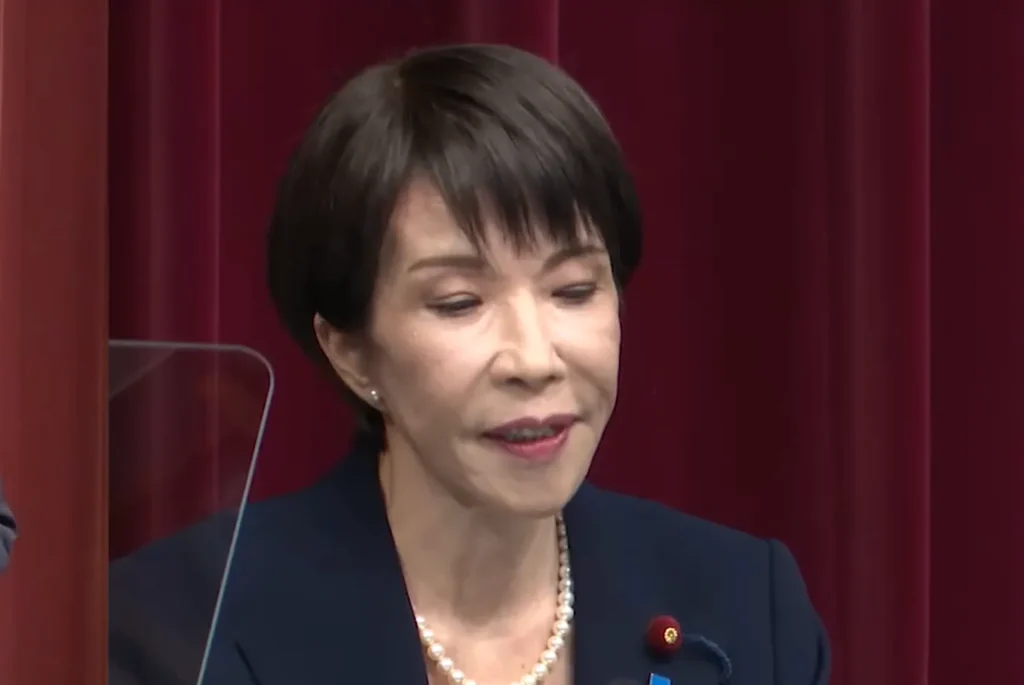
Japan’s political landscape has shifted dramatically after the nation’s lower house was formally dissolved by Prime Minister Sanae Takaichi, paving the way for a snap general election scheduled for February 8, 2026. This move — officially marking Japan Parliament dissolved — sets a brisk campaign period in motion, with major issues from economic policy to national security dominating the public debate.
According to the Prime Minister’s Office of Japan, the dissolution was announced at the opening of the ordinary parliamentary session; as a result, it immediately set in motion a tightly scheduled general election. Moreover, the decision marks a significant political moment, as the government now seeks public endorsement for its policy direction through a fresh mandate.
For observers and voters alike, the context around the Japan Parliament dissolved announcement is crucial — not just as a procedural step toward elections, but as a reflection of deeper political currents shaping Japan’s future.
What Led to the Parliament Dissolution?
Prime Minister Takaichi, Japan’s first female leader, took office in October 2025. Amid internal party turbulence and weakened public confidence in the ruling Liberal Democratic Party (LDP), she chose to call an early election — dissolving the lower house with more than two years still left in its term.
Political analysts note that this isn’t simply a constitutional formality. Instead, the Japan Parliament dissolved decision reflects a strategic effort to frame the election as a mandate on leadership and direction, especially on pressing issues such as inflation, fiscal policy, and geopolitical challenges.
Economy at the Forefront
One of the central battlegrounds of the February election is Japan’s economy. While inflation has eased slightly from its recent highs — partly due to government subsidies on utilities — many households still face high living costs.
Takaichi and her allies have proposed significant fiscal measures, including:
- Suspending the 8% consumption tax on food for two years to ease cost pressures.
- Expanding government spending to stimulate growth.
- Prioritising wage increases and targeted support for lower-income families.
These proposals aim to boost consumer confidence and placate public frustration with stagnant wage growth, but they come with risks. Critics warn that tax suspensions and expansive fiscal policies could balloon Japan’s already massive public debt and unsettle financial markets.
Security and Defence: A Strong Theme
Beyond domestic economics, the Japan Parliament dissolved context also highlights heightened focus on national security. Regional tensions, particularly with China over issues like Taiwan, are shaping voter concerns and party platforms.
Takaichi has supported strengthening Japan’s military capability and increasing defence spending — a break from past post-war policy restraint. These positions have garnered both applause and criticism, adding complexity to the election’s security narrative.
Opposition and Political Fragmentation
The opposition landscape in Japan remains fragmented but increasingly assertive. Newly formed alliances, such as the Centrist Reform Alliance, seek to appeal to voters dissatisfied with establishment politics and economic priorities.
Opposition platforms emphasize:
- More moderate fiscal policies.
- Sustainable social security financing.
- Reduced reliance on military expansion.
Whether these alternatives can consolidate enough support to challenge the ruling bloc remains uncertain, especially in a tight, short campaign.
Why It Matters
The significance of the Japan Parliament dissolved event goes well beyond procedural change. The outcome of the February elections could reshape Tokyo’s approach to:
- Economic policy and public welfare
- Fiscal stability and debt management
- Regional security and defence strategy
- Japan’s role in global geopolitics
For voters, the choice in February goes beyond party loyalty — it’s a vote on how Japan balances the delicate interplay between economic resilience and national security.
FAQ
About the Author: GRV is a digital media writer who created Dumbfeed, a platform that simplifies complex global and political news into clear, engaging, and family-friendly formats. He delivers accurate, easy-to-understand explanations that help readers stay informed without the noise. When he’s not writing, GRV produces video content and short-form news updates for social media.