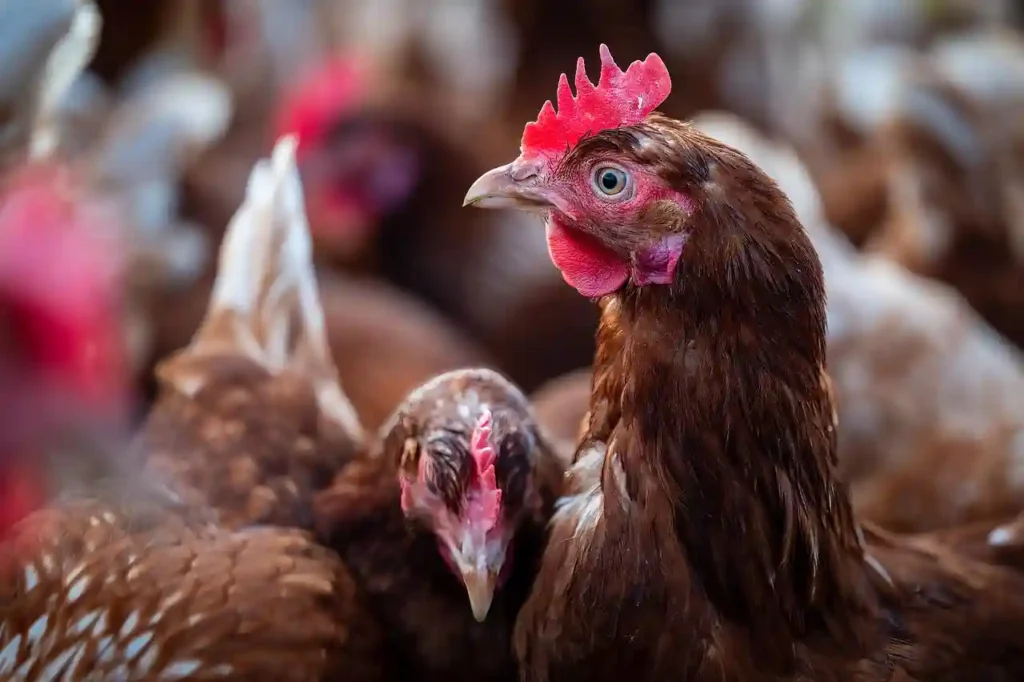
The Saudi poultry import ban affecting around 40 countries, including India, has sparked global debate about whether the move is purely about food safety or also a strategic trade decision. When Saudi Arabia announced the restriction, it immediately raised two big questions: Is this a health-driven step to protect consumers from avian diseases, or does it also serve economic and domestic-industry goals?
According to the Saudi Food and Drug Authority’s official import-ban procedures, the Kingdom regularly imposes temporary poultry import restrictions to prevent disease spread.
But the full story is more complex.
What Exactly Happened?
Saudi Arabia’s food regulator temporarily stopped poultry meat and egg imports from countries that reported bird flu or similar poultry diseases.
This type of move is not new. Many countries impose temporary bans when outbreaks occur. But the scale of the Saudi poultry import ban surprised exporters because it affected multiple nations simultaneously, including major producers.
Some key points:
- Imports banned from 40 countries
- Partial restrictions on specific regions in other countries
- Heat-treated poultry products still allowed
- Measures described as precautionary and temporary
Saudi Arabia imports a significant portion of its poultry needs, so this decision could shift global supply flows.
The Health Reason: Bird Flu and Food Safety
The official reason for the Saudi poultry import ban is public health protection. Bird flu outbreaks have been reported in several regions globally. These viruses can spread quickly among poultry farms, causing economic losses and sometimes raising concerns about human infection.
Saudi Arabia’s regulators follow strict rules:
- If bird flu is detected in exporting countries, imports are paused
- Only processed poultry proven safe may be allowed
- The ban is lifted once the disease risk is controlled
From a food-safety standpoint, this approach is logical. Governments want to avoid introducing animal diseases that could harm local poultry industries or public health. Saudi Arabia also wants to protect its growing domestic poultry sector, which has been expanding as part of economic diversification plans.
The Trade Strategy Question
While the health reason is real, analysts are also asking whether trade strategy plays a role. Here’s why.
1. Protecting Local Producers
Saudi Arabia has been investing heavily in local agriculture under Vision 2030. Increasing domestic poultry production reduces dependence on imports. A large-scale import restriction gives local producers breathing room to grow.
2. Price Control and Supply Balance
Global poultry prices fluctuate based on feed costs, energy prices, and disease outbreaks. Restricting imports can sometimes stabilize local markets.
3. Negotiation Leverage
Saudi Arabia can also use trade restrictions to push exporting countries toward stricter quality standards or better trade terms. So while the Saudi poultry import ban is officially about safety, economic strategy may also be part of the picture.
Impact on India
India is one of the countries affected by the Saudi poultry import ban. For Indian exporters, this means:
- Temporary loss of access to a major Middle East market
- Potential oversupply domestically
- Pressure on poultry prices
However, such bans are often lifted after disease-free certification. India has faced similar bans before, and trade usually resumes after inspections and negotiations. For Indian farmers and exporters, diversification of export markets becomes important.
Impact on Global Poultry Trade
Saudi Arabia is one of the largest poultry importers in the Middle East. So a ban affecting 40 countries can ripple across global markets.
Possible effects include:
- Exporters redirecting supply to other countries
- Short-term price fluctuations
- Increased competition in Asian and African markets
- Changes in shipping routes
Countries not affected by the ban may see higher demand.
Is This Ban Permanent?
Most poultry bans are temporary. Once disease outbreaks are controlled and safety certifications are verified, imports usually resume. Saudi Arabia has lifted similar bans in the past after receiving updated health reports. So exporters are watching closely.
The Bigger Picture: Food Security Politics
The Saudi poultry import ban highlights a global trend. Food security is becoming a geopolitical issue. Countries are trying to:
- Produce more food locally
- Reduce import dependence
- Strengthen safety standards
From wheat to chicken to cooking oil, food policies are now part of global strategy. Saudi Arabia’s move fits into that pattern.
Final Thoughts
The Saudi poultry import ban is likely both a health precaution and an economic strategy. Protecting public health is the official reason, but protecting domestic producers and managing supply chains also matter. For India and other exporters, the lesson is clear: global food trade is changing, and diversification is key. As disease risks rise and countries prioritize local production, similar bans may become more common.
FAQ
About the Author: GRV is a digital media writer who created Dumbfeed, a platform that simplifies complex global and political news into clear, engaging, and family-friendly formats. He delivers accurate, easy-to-understand explanations that help readers stay informed without the noise. When he’s not writing, GRV produces video content and short-form news updates for social media.