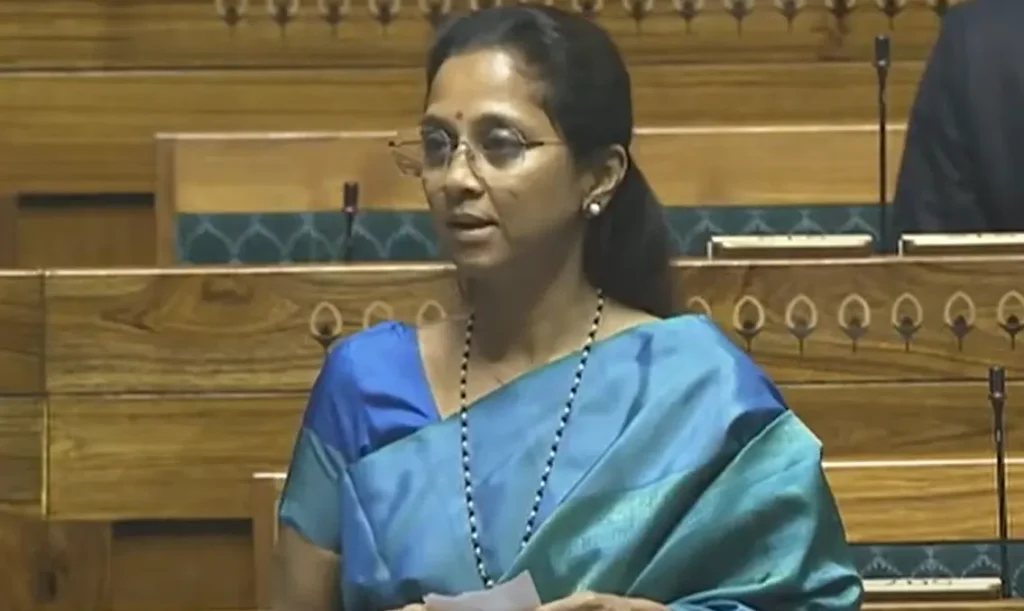
In a significant move aimed at reshaping India’s modern work culture, MP Supriya Sule introduced the Right to Disconnect Bill in Parliament, sparking widespread debate across the country. The bill seeks to create an Employees Welfare Authority and grant employees the legal right to disconnect from work-related calls, emails, and digital communication once their official working hours end. Sule emphasized that no employee should feel compelled to respond to work messages late at night, on weekends, or during holidays, as personal time should be respected and protected by law.
Why the Right to Disconnect Bill Matters
India’s workforce is among the most overworked globally, with studies showing that employees frequently extend their work hours far beyond official schedules. The rise of smartphones, remote work, and instant messaging apps has only blurred the boundaries further. The Right to Disconnect Bill aims to address this growing crisis by laying the foundation for healthier work–life balance and reducing stress-related illnesses.
This legislation resonates deeply in a country where burnout, anxiety, and workplace pressure continue to rise. By formalizing the right to disconnect, the bill attempts to redefine how organizations operate, encouraging healthier productivity models and reducing the toxic expectation of constant availability.
What the Bill Proposes
If passed, the Right to Disconnect Bill will require companies to set clear guidelines on after-hours communication. Employers may need to form policies that specify when communication is permissible and under what circumstances exceptions can be made. The Employees Welfare Authority would act as a regulatory body, ensuring compliance and addressing employee grievances related to after-hour work pressures.
The bill also calls for awareness programs, counseling support, and an official channel for reporting workplace communication violations. This comprehensive approach positions it as one of the most progressive labor reforms ever proposed in India.
Impact on India’s Corporate Culture
For years, Indian professionals have faced the unwritten rule of being “always available.” With the expansion of remote work post-pandemic, this expectation intensified. Fluctuating deadlines, urgent messages, and real-time coordination have made it challenging for employees to separate personal and professional life.
The Right to Disconnect Bill challenges this culture head-on. If implemented correctly, it could encourage companies to adopt better planning, realistic deadlines, efficient meeting systems, and improved project management practices. It also aligns India with global labor standards, as several countries have already taken steps to restrict after-hours communication.
Public Reactions and Ongoing Debate
The bill has already triggered extensive discussions among employees, HR professionals, legal experts, and corporate leaders. Supporters argue that the legislation is long overdue, especially considering the mental health crisis emerging in high-pressure industries. Critics, however, believe it may be difficult to enforce uniformly across sectors, particularly in emergency services, finance, IT operations, and media.
Despite disagreements, most acknowledge that employee well-being is now a central topic in workplace reform. The bill’s introduction alone has pushed companies to reflect on how they treat their workforce and what changes are necessary for sustainable productivity.
What Happens Next?
The Right to Disconnect Bill will now move through detailed parliamentary discussions. Committees may review the proposals, seek expert opinions, and suggest amendments before it can be considered for approval. Even if the bill takes time to pass, its introduction has already set a powerful precedent.
For official parliamentary documentation on the bill, you can refer to the authenticated source here: Official Lok Sabha Bill Document
The conversation around the Right to Disconnect Bill marks a pivotal moment in India’s labor reform journey. As debates continue, one thing is clear: the future of employee rights and workplace culture in India is evolving, and this bill may be the first major step toward a more balanced and humane work environment.
FAQ
About the Author: GRV is a digital media writer and the creator of Dumbfeed, a platform dedicated to simplifying complex global and political news into clear, engaging, and family-friendly formats. He focuses on delivering accurate, easy-to-understand explanations that help readers stay informed without the noise. When he’s not writing, GRV creates video content and short-form news updates for social media.