
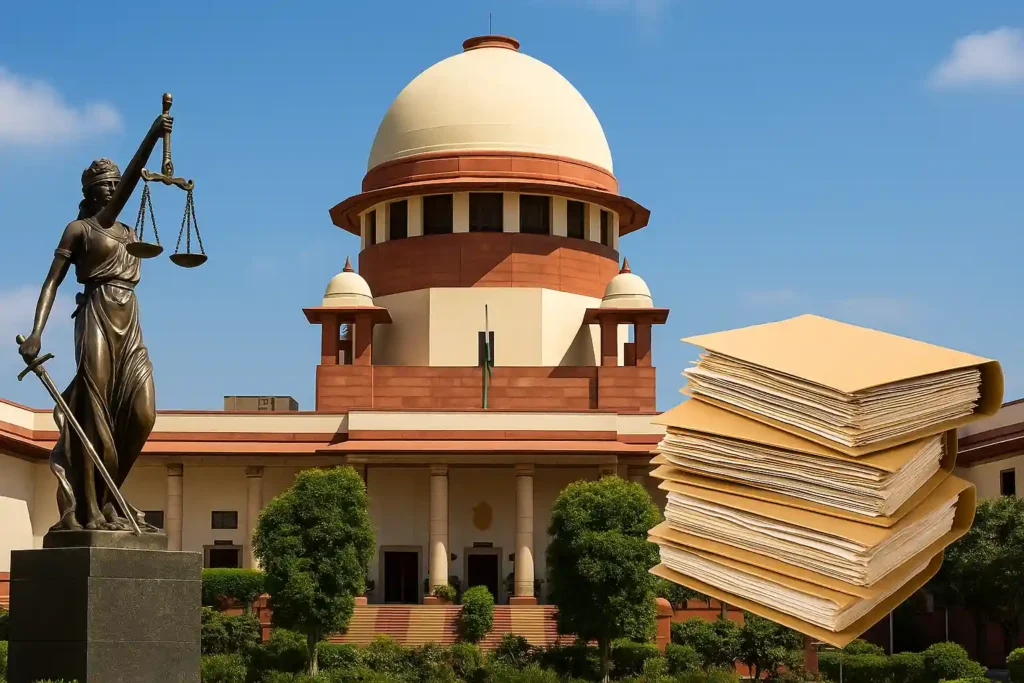
Justice Surya Kant’s elevation as the 53rd Chief Justice of India marks the culmination of a long, steady, and disciplined legal career. His journey — from a small village in Haryana to the highest judicial office — offers a clear picture of the kind of leadership he may bring to the Supreme Court. As a first-generation lawyer who built his reputation through years of service-law and constitutional cases, Surya Kant enters his tenure with a grounded, practical perspective shaped by real courtroom experience.
A Career Defined by Discipline and Steady Growth
Surya Kant began practising law in Hisar before moving to the Punjab and Haryana High Court, where he handled a wide range of administrative and constitutional matters. Over the years, he became known for clear reasoning and a disciplined approach to hearings. His appointment as Advocate General of Haryana added a crucial layer of administrative experience, giving him insight into how legal decisions affect government functioning.
He later served as a judge of the Punjab and Haryana High Court and went on to become the Chief Justice of the Himachal Pradesh High Court. His work on constitutional benches after joining the Supreme Court strengthened his reputation further. Lawyers often describe him as methodical, calm under pressure, and focused on efficient case handling — qualities that are likely to shape his leadership as CJI.
Like many high-profile judges, he has faced criticism and scrutiny over certain decisions during his career. While none of these controversies slowed his rise, they remain part of the public conversation around him today. As CJI, his actions may be watched more closely because of this background, adding an additional layer of expectation and pressure.
His steady rise through India’s court system also reflects a broader pattern in major legal institutions today — where discipline and long-term experience shape landmark decisions. We recently covered another high-profile legal case in the United States involving a $5-million fraud scheme that led to a 53-year prison sentence for Michael McCormick, highlighting how courts worldwide respond firmly to serious financial crimes.
What He Is Expected to Prioritize as CJI
Based on his past judgments and public statements, Surya Kant is likely to focus on several core goals:
- clearing long-pending Constitution Bench matters
- expanding mediation and ADR to reduce delays
- improving efficiency in lower courts
- strengthening judicial independence through consistent procedures
According to the Press Information Bureau, Surya Kant has consistently emphasized the need for clarity, efficiency, and timely hearings — themes that appear central to his upcoming term. These priorities align closely with the habits he has displayed throughout his judicial career — orderliness, clarity, and respect for due process. His administrative experience also suggests that he may push for smoother case management systems and better coordination across court levels.
Looking Ahead: A Leader Shaped by Experience
Surya Kant’s rise from a small-town lawyer to the country’s top judge reflects years of persistence and steady growth. Even though his tenure as CJI will be relatively short, his reputation for discipline and his understanding of heavy caseloads may help him streamline the functioning of the Supreme Court. His emphasis on mediation also hints at a desire to make justice quicker and more accessible for citizens.
As he begins his term, he carries both public support and public scrutiny. But his long career suggests a leadership style rooted in balance, patience, and a commitment to reform. If he follows the priorities he has outlined, his tenure may bring meaningful improvements to India’s judicial system.
Sources: Press Information Bureau, Caravan
For readers following today’s major headlines, here’s our in-depth report on Surya Kant 53rd CJI Begins His Tenure With Clear Priorities another story shaping the national conversation.
GRV writes for Dumbfeed, covering human-interest stories, political developments, and cultural shifts shaping India’s public conversation.