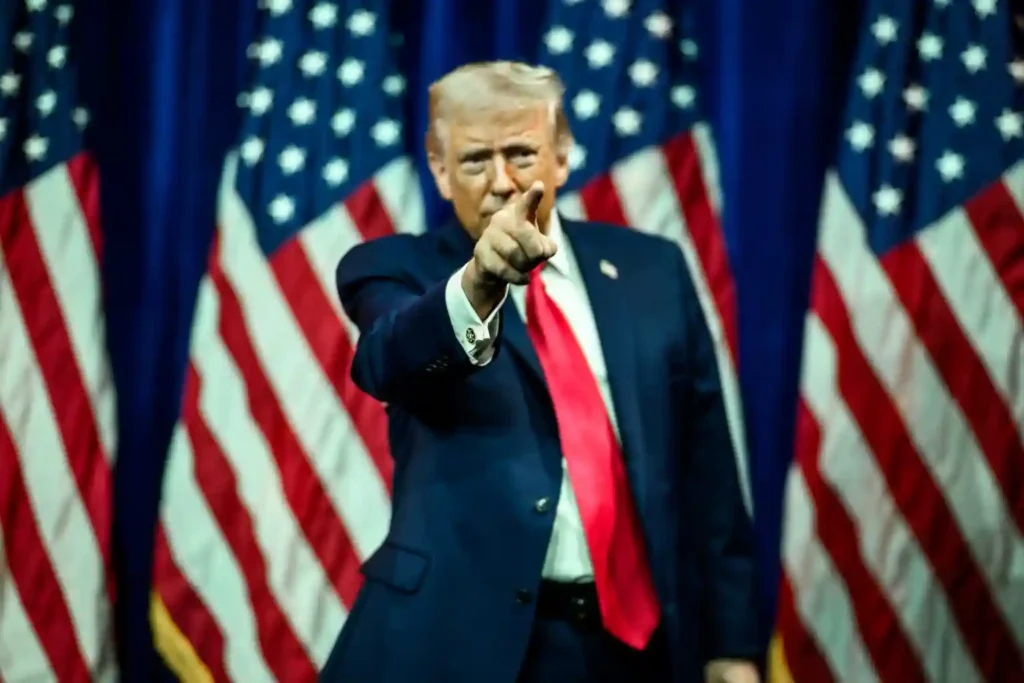
The Trump Board of Peace has quickly become one of the most debated foreign policy initiatives in recent years, raising fundamental questions about global diplomacy, power structures, and the future of multilateral institutions. Proposed by U.S. President Donald Trump, the initiative is being framed by supporters as a bold new mechanism to resolve international conflicts, while critics see it as a disruptive challenge to the existing world order.
As invitations go out and world leaders cautiously respond, the Trump Board of Peace is no longer a theoretical concept — it is shaping real diplomatic conversations across continents.
What Is the Trump Board of Peace?
Donald Trump proposes the Trump Board of Peace as an international decision-making body focused on conflict resolution and post-war reconstruction. The board would operate mainly in regions facing long-term instability. Early disclosures show that Trump plans to invite a limited number of countries directly. The structure divides membership between permanent and rotating seats.
The membership model stands out as one of the most controversial features of the Trump Board of Peace. Reports suggest it grants permanent seats through financial contributions, while other countries serve fixed terms. Trump also plans to take a central leadership role, a move that has unsettled diplomats used to collective governance.
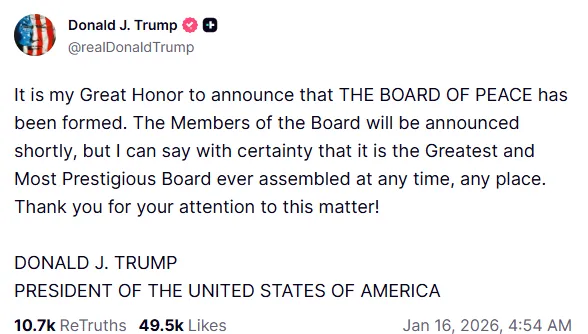
According to reporting by Reuters, the Trump Board of Peace was announced via a Truth Social post and has received a mixed global response, with some countries expressing interest while others remain openly skeptical.
Who Is Invited — and Who Is Not?
Around 60 countries are reported to have received invitations to join the Trump Board of Peace. The list includes U.S. allies, regional powers, and strategically important nations. These countries come from Europe, Asia, the Middle East, and Latin America.
However, not every major power has rushed to accept. Some nations are reportedly delaying their response, while others have quietly declined or expressed reservations. This selective engagement has fueled speculation about exclusion, favoritism, and geopolitical signaling.
Online rumors suggest that some countries admired by Trump for strong military leadership may not be participating. So far, there is no confirmed evidence of exclusions based on personal preference. Most governments appear cautious rather than openly rejecting the initiative.
Who Has Accepted the Trump Board of Peace Invitation?
A small but notable group of countries has openly welcomed the Trump Board of Peace. Leaders from nations with populist or nationalist governments have been more receptive, describing the initiative as an opportunity to break free from what they see as slow and ineffective global institutions.
Other governments have confirmed receiving invitations but remain non-committal, stating that they are still reviewing the mandate, legal framework, and long-term implications of joining the Trump Board of Peace.
Major powers such as Russia and China have not fully embraced or rejected the proposal. Instead, they have signaled a need for greater clarity before committing. This wait-and-see stance shows that even skeptical governments are taking the initiative seriously.
Why World Leaders Are Cautious
The hesitation surrounding the Trump Board of Peace is rooted in several key concerns:
- Legitimacy and Authority
Many diplomats question how the board would enforce decisions or gain international legitimacy without formal backing from established treaties. - Overlap With Existing Institutions
There is widespread concern that the Trump Board of Peace could undermine or duplicate the role of the United Nations, particularly the UN Security Council. - Centralized Leadership
Trump’s proposed leadership role has raised fears that decisions could be driven more by political influence than by consensus-based diplomacy. - Pay-to-Participate Model
The idea that financial contributions could determine influence within the board has alarmed critics, who argue it could favor wealth over global equity.
Supporters vs Critics: A Divided Global Response
Supporters of the Trump Board of Peace argue that existing international institutions have failed to prevent wars, contain humanitarian crises, or enforce peace agreements effectively. From this perspective, a smaller, more decisive body led by strong leadership could deliver faster results.
Critics warn that bypassing established norms could destabilize the system that has helped prevent major global conflicts. Some European diplomats privately describe the Trump Board of Peace as a “parallel UN.” Others fear it could weaken international law.
The debate is no longer theoretical — it is shaping alliances, diplomatic calculations, and future peace negotiations.
What This Means for the Global Order
Overall, the Trump Board of Peace represents more than a single policy proposal. Instead, it symbolizes a broader shift toward personalized diplomacy and alternative power structures. Ultimately, whether it becomes a lasting institution or fades amid international resistance will depend on how many major players choose to commit.
If adopted widely, the Trump Board of Peace could reshape how peace negotiations take place. Even if governments reject it, the initiative could still drive future reforms by highlighting deep dissatisfaction with the current global order.
FAQ
About the Author: GRV is a digital media writer who created Dumbfeed, a platform that simplifies complex global and political news into clear, engaging, and family-friendly formats. He delivers accurate, easy-to-understand explanations that help readers stay informed without the noise. When he’s not writing, GRV produces video content and short-form news updates for social media.