Western Pennsylvania now faces an urgent Lake-effect snow warning as strong snow bands move across the region. Forecasters report rapidly changing conditions, and communities near the Lake Erie snowbelt already experience bursts of heavy snowfall. The warning highlights the need for residents to stay alert and plan ahead.
Why the Lake-Effect Snow Warning Matters
Cold air flowing across the warmer waters of Lake Erie triggers intense snow bands. These narrow bands often shift quickly, and they create sharp differences in snowfall over short distances. One town may see whiteout conditions while a nearby area sees only flurries. Because of this unpredictability, the Lake-effect snow warning demands immediate attention from travelers and residents.
Snowfall Expectations Across Western Pennsylvania
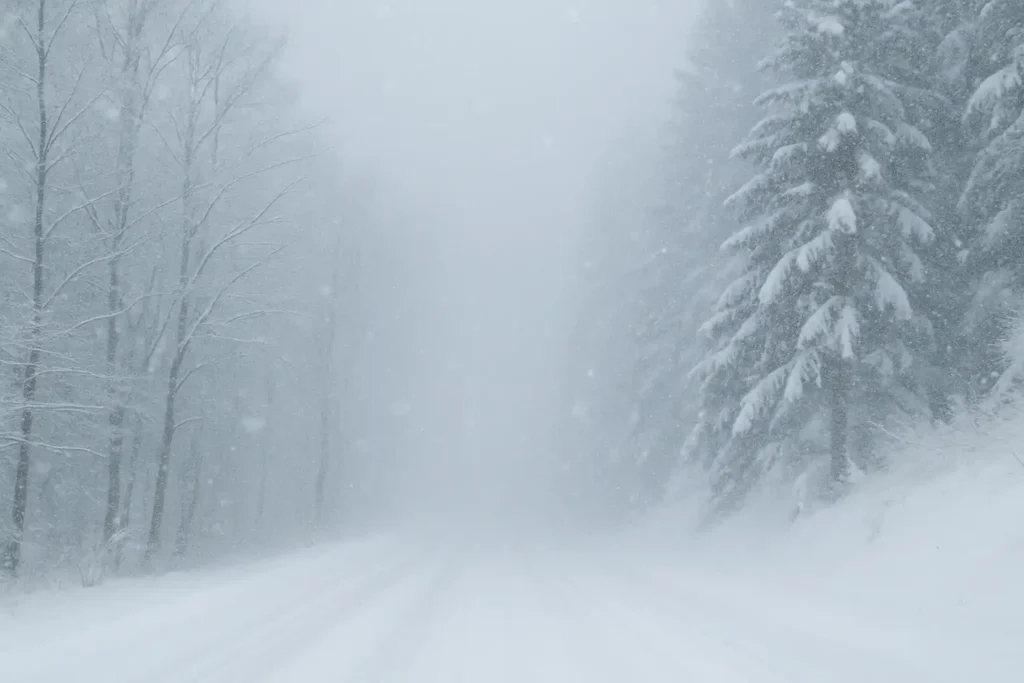
Meteorologists expect several inches of snow in the most active snowbelt zones. Some communities may see heavier totals as snow bands strengthen. Wind gusts push the snow across open roads and reduce visibility within minutes. Drivers may struggle to navigate highways, backroads, and elevated bridges during the peak of the storm.
Communities closer to the lake typically receive the first wave of heavy snow. As the bands shift south and east, other towns join the high-risk zone. The Lake-effect snow warning encourages everyone to follow updates throughout the day since conditions can change quickly.
Areas at Highest Risk During the Lake-Effect Snow Warning
Residents in Erie County, Crawford County, and nearby regions should prepare for rapidly changing weather. Towns within the immediate snowbelt may experience the strongest impact. Local authorities continue to monitor the snowbands and share updates with emergency services to support smoother response and traffic management.
How the Weather May Affect Travel and Daily Life
Drivers face the biggest challenges during a Lake-effect snow warning. The snow creates slick roads, drifting snow piles, and sudden whiteouts. These hazards increase the risk of accidents and road closures. Commuters should leave early, avoid high-speed driving, and use headlights even during the day.
Schools and local businesses may update schedules depending on conditions. Residents should prepare for slower commutes, delayed services, and possible disruptions in outdoor plans.
Safety Tips for Residents in the Warning Area
Stay ahead of the storm by following simple but important safety practices:
- Check the latest weather updates before leaving home.
- Keep emergency kits in your vehicle, including warm clothing and a flashlight.
- Drive slowly near intersections, bridges, and open fields where drifting snow forms.
- Keep your phone charged to receive public safety alerts.
- Avoid unnecessary travel during the heaviest snow periods.
Taking early action reduces pressure on emergency crews and helps families stay safe during the Lake-effect snow warning.
How Long the Lake-Effect Snow Warning May Last
Forecasters continue to study the movement of the snowbands. The warning may shift or extend if the cold air remains strong over the lake. Because lake-effect patterns often change suddenly, local updates provide the most accurate timing. Residents should check forecasts regularly until conditions stabilize.
Source: National Weather Service
For more on current events, check out our full coverage on Why Blue Islands Halted Operations and stay updated on the latest developments.