For many Americans, the perception is clear: crime feels like it’s rising again. Headlines about violence, theft, and urban unrest dominate news cycles. But when we step back from the noise and examine the US crime rate over the past two decades, a more complex — and surprising — picture emerges.
Is the United States actually becoming more dangerous, or are we misreading the data?
According to an analysis by Pew Research, long-term data shows that the US crime rate has generally declined since the 1990s, despite short-term fluctuations in recent years.
Background: The Legacy of the 1990s Crime Drop
To understand today’s debate, we must start in the late 1990s — a period when the U.S. experienced one of the most dramatic crime declines in modern history. By the early 2000s, crime rates had already fallen sharply from their peak in the 1980s and early 1990s.
Throughout the 2000s, this downward trend continued. Violent crime steadily decreased, and property crime saw even sharper declines. By 2010, the United States was significantly safer than it had been a decade earlier.
The 2000s vs 2020s: What the Numbers Say
Violent Crime Trends
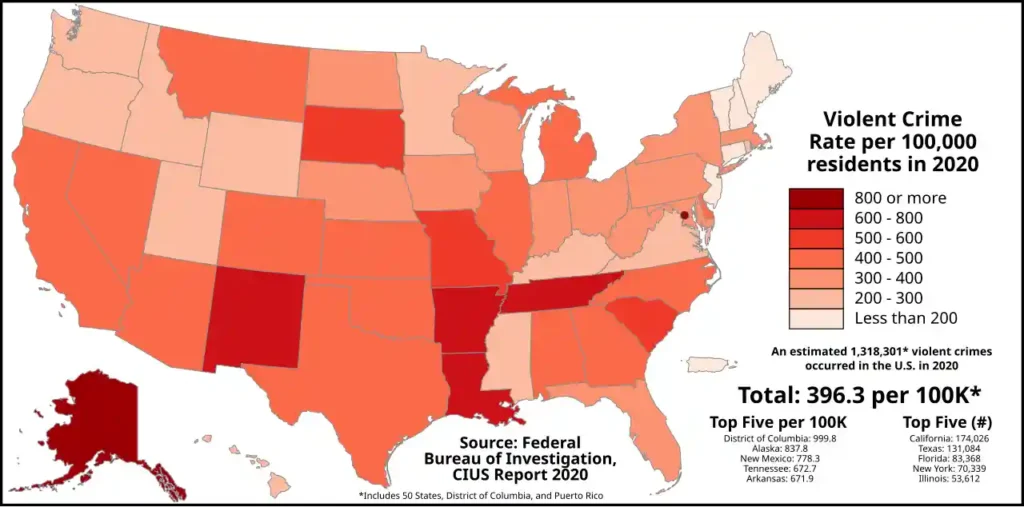
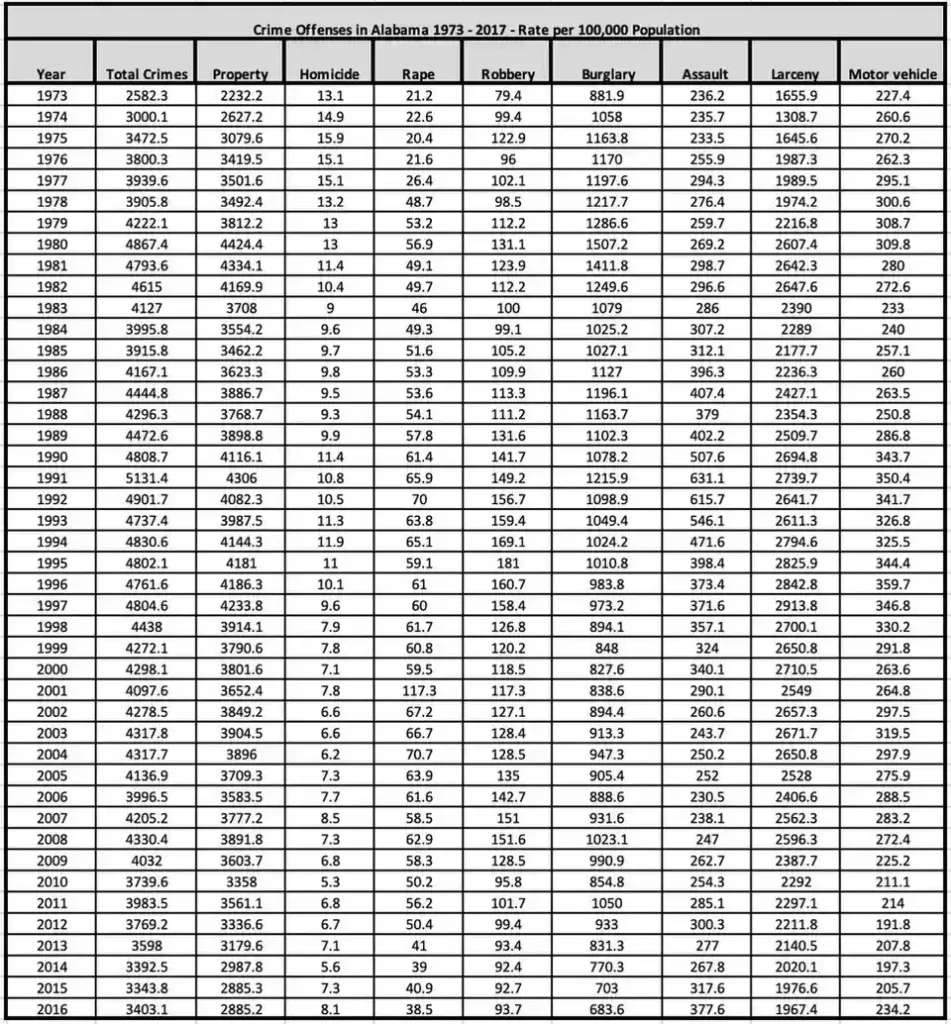
In 2000, the violent crime rate stood at roughly 507 incidents per 100,000 people. By 2009, it had dropped to around 429 — a clear and sustained decline. Fast forward to the 2020s, and the picture becomes more nuanced. After years of stability, violent crime spiked in 2020 and 2021, largely attributed to pandemic-related disruptions. However, recent data suggests this increase was temporary, with rates declining again through 2022 and beyond.
Key insight:
Even after the pandemic spike, violent crime today remains lower than early 2000s levels.
Homicide Rates: The Exception
Unlike broader crime trends, homicide rates tell a slightly different story.
- Early 2000s average: ~5–5.5 per 100,000
- 2020–2021 peak: ~6.5–6.9 per 100,000
This surge marked the largest single-year increase in decades. However, more recent data indicates that homicide rates are once again trending downward.
Key insight:
Murder rates are currently higher than in the 2000s, but still far below historic peaks of the 1980s–90s.
Property Crime: A Quiet Collapse
Perhaps the most overlooked trend is the dramatic decline in property crime. From burglary to vehicle theft, property crime rates have nearly halved since 2000. This long-term drop is one of the most significant changes in modern U.S. crime patterns.
Key insight:
America today experiences far less theft and burglary than it did two decades ago.
The 2020 Spike: An Anomaly or Turning Point?
The sudden increase in crime during 2020–2021 sparked widespread concern. But context matters. Experts attribute this spike to several overlapping factors:
- COVID-19 lockdowns and social disruption
- Economic uncertainty
- Reduced policing and court activity
- Increased social tensions
Crucially, these conditions were temporary and global, not unique to the United States. As these pressures eased, crime rates began stabilizing — suggesting the spike was more of a shock event than a long-term trend.
Geopolitical Implications: Why This Matters Globally
Crime trends in the United States are not just a domestic issue — they carry geopolitical weight.
Narrative Warfare and Global Perception
Countries often use U.S. crime statistics to shape narratives about Western decline. A perceived rise in crime can weaken America’s image as a stable global leader.
Economic Confidence
Investors and global markets closely monitor internal stability. Persistent crime increases can:
- Impact foreign investment
- Influence tourism
- Affect urban economic recovery
Policy Influence Abroad
U.S. crime policy often shapes policing models worldwide. Trends in American cities can influence law enforcement strategies in Europe, Latin America, and Asia.
Global Consequences of Misreading Crime Trends
Misinterpreting the US crime rate can lead to broader consequences:
- Policy Overreaction: Governments may adopt overly aggressive policing strategies
- Public Fear Cycles: Media amplification can distort reality
- Political Polarization: Crime becomes a tool in ideological battles
Perhaps most importantly, misunderstanding crime trends can distract from real issues — such as economic inequality, urban planning, and social policy.
Analysis: So, Is America Safer?
The answer is not a simple yes or no.
Safer in Some Ways:
- Lower overall crime compared to the 2000s
- Dramatic reduction in property crime
- Long-term downward trend remains intact
More Complex in Others:
- Temporary spike in violent crime during 2020–21
- Homicide rates still slightly elevated compared to early 2000s
Bottom line:
The United States today is generally safer than it was in the early 2000s, but recent disruptions have complicated the narrative.