The question Who killed Alexei Navalny is once again dominating global headlines after new reports from European governments suggested the Russian opposition leader may have been poisoned before his death in prison. The latest findings could trigger fresh sanctions on Russia and deepen tensions between Moscow and Western nations.
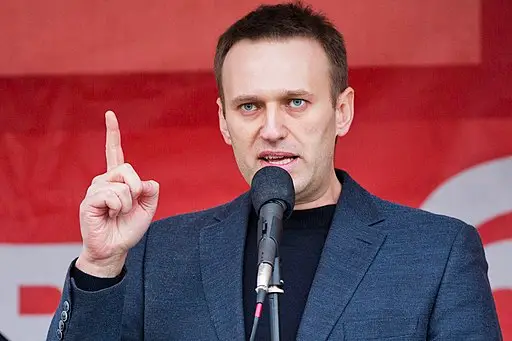
Alexei Navalny, one of Russia’s most prominent anti-corruption activists and opposition leaders, died on February 16, 2024, in an Arctic penal colony while serving a 19-year sentence. Russian authorities said he died of natural causes. However, new forensic findings shared by several European countries suggest a different story.
According to Reuters, – UK, allies say they’re convinced Kremlin critic Navalny was poisoned five European countries said laboratory tests found a rare toxin in Navalny’s body, strengthening claims that he was poisoned before his death.
New Evidence Raises Global Pressure
Officials from the United Kingdom, Germany, France, Sweden, and the Netherlands reportedly found signs of a rare chemical compound believed to be extremely difficult to obtain without state-level resources. They argue that this supports the theory that Navalny’s death was not accidental.
If confirmed internationally, these findings could lead to a new round of sanctions against Russia. Western leaders say accountability is necessary if chemical weapons treaties were violated. The Kremlin has strongly denied all allegations, calling them politically motivated. Russia maintains that Navalny died of natural causes and accuses Western governments of spreading misinformation.
Still, the latest claims have revived the central question: Who killed Alexei Navalny, and can the truth ever be proven?
A Long History of Threats
Navalny had survived a poisoning attempt before. In 2020, he fell seriously ill after exposure to a nerve agent while traveling in Siberia. Western investigators later concluded he was poisoned with Novichok, a military-grade nerve agent. Russia denied involvement at the time. After recovering in Germany, Navalny returned to Russia in 2021 and was immediately arrested. His imprisonment sparked global protests and criticism from human rights organizations. Supporters say his death in 2024 was the tragic end of years of political persecution. Critics of the Russian government argue that the question Who killed Alexei Navalny has an obvious answer.
Vladimir Putin has denied any role, and Russia insists there is no evidence linking the government to Navalny’s death.
Why Sanctions May Be Coming
The latest poisoning claims may spark serious diplomatic consequences. If investigators confirm a banned toxin in Navalny’s body, Western governments could impose sanctions on Russian officials, financial institutions, and key industries.
Sanctions could include:
- Travel bans on Russian officials
- Freezing overseas assets
- Trade restrictions
- Technology export bans
Such measures would further isolate Russia economically and politically. However, sanctions are controversial. Some experts say they rarely change government behavior, while others believe they are necessary to uphold international law. Still, the renewed question Who killed Alexei Navalny could push governments to act.
International Reaction
Navalny’s widow, Yulia Navalnaya, welcomed the new findings and again accused the Russian government of responsibility. She vowed to continue her husband’s fight for democracy in Russia. Human rights groups demanded an independent international investigation. Meanwhile, Russia rejected the accusations as propaganda and warned that new sanctions could damage relations with the West. The geopolitical fallout from Navalny’s death continues to grow.
Why the Navalny Case Still Matters
Even after his death, Navalny still symbolizes resistance to corruption and authoritarian rule in Russia. The question Who killed Alexei Navalny matters not only for justice but also for the future of political opposition in the country. If someone intentionally caused his death, the case raises serious concerns about the safety of activists and journalists worldwide. It also highlights how deeply the Ukraine war strained relations between Russia and the West. Regardless of new sanctions, Navalny’s legacy continues to shape global politics.
What Happens Next
International investigators may soon present their findings to organizations like the Organisation for the Prohibition of Chemical Weapons. If they confirm violations, world leaders could impose diplomatic action. However, investigators still face major challenges in proving responsibility in such cases. The question Who killed Alexei Navalny will likely remain disputed for years. Yet one thing remains clear: Navalny’s death has already reshaped Russia’s political landscape and intensified global debates about human rights and accountability.
FAQ
About the Author: GRV is a digital media writer who created Dumbfeed, a platform that simplifies complex global and political news into clear, engaging, and family-friendly formats. He delivers accurate, easy-to-understand explanations that help readers stay informed without the noise. When he’s not writing, GRV produces video content and short-form news updates for social media.