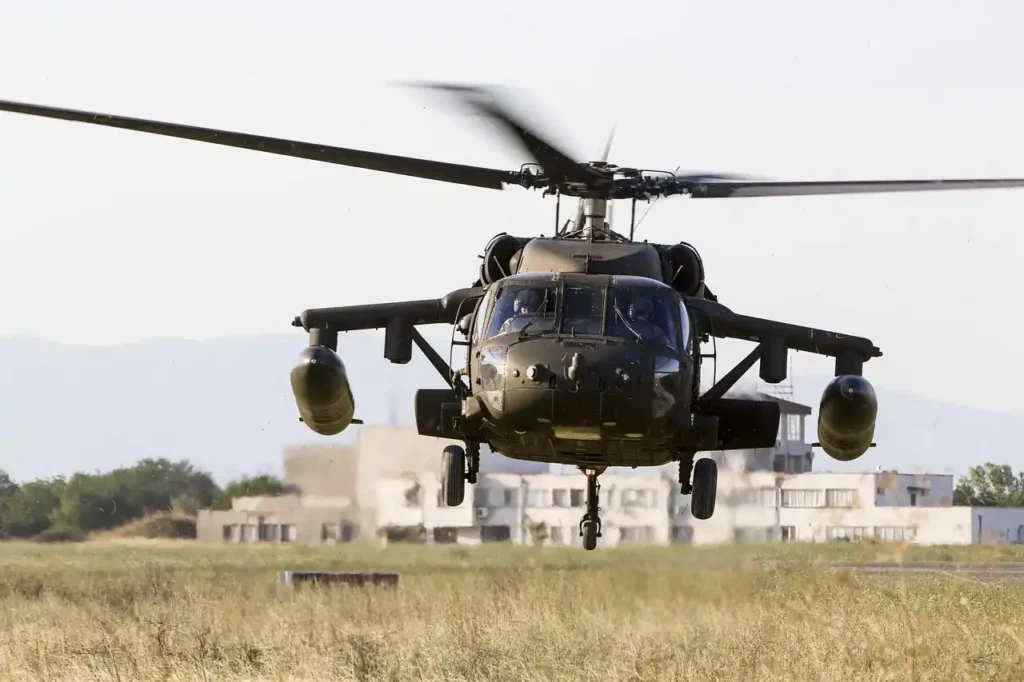
In recent weeks, global attention has turned to a new development in Latin America: the US Military in Ecuador. Reports indicate that American forces are now cooperating with Ecuador’s military in operations targeting powerful drug trafficking organizations and violent criminal networks.
For many observers, the presence of the US Military in Ecuador raised immediate questions. Is the United States launching a new military intervention in the region? Is Ecuador under attack? Or is this something entirely different?
The reality is more nuanced. Rather than a unilateral military action, the current operations involve cooperation between Washington and Quito to address Ecuador’s escalating security crisis, which has been driven largely by organized crime and drug trafficking.
For further background on the recent operations and the role of the US Military in Ecuador, the official announcement from U.S. Southern Command provides additional details about the joint mission between American and Ecuadorian forces.
Ecuador’s Security Crisis and the Rise of Cartels
Over the past few years, Ecuador has transformed from a relatively peaceful country into one of the most dangerous locations in Latin America. The sudden spike in violence is largely linked to the rapid growth of drug trafficking routes that pass through the country.
Ecuador sits strategically between Colombia and Peru, two of the world’s largest cocaine producers. Criminal groups realized that Ecuador’s ports and infrastructure offered a convenient pathway to ship drugs to North America and Europe. As a result, local gangs began partnering with international cartels, turning cities and ports into major drug trafficking hubs.
These criminal networks have become increasingly violent. Prison riots, gang warfare, assassinations, and attacks on police have become common headlines. Ecuadorian authorities have described some of these groups as “narco-terrorist organizations.”
The government of Ecuador has struggled to contain this wave of violence. Security forces have faced well-armed criminal groups with significant financial resources and international connections. As the situation worsened, Ecuador’s leadership began seeking support from international partners.
Why the US Military in Ecuador Matters
The arrival of the US Military in Ecuador does not mean the United States is invading the country. Instead, the operation is being conducted with the consent and cooperation of Ecuador’s government.
American forces are mainly assisting with:
- Intelligence gathering
- Surveillance and reconnaissance
- Strategic planning
- Logistics and operational coordination
In some cases, U.S. personnel may also work alongside Ecuadorian forces in specialized missions against major criminal groups. These efforts are often coordinated through U.S. Southern Command, which oversees American military operations in Central and South America. The goal is to help Ecuador disrupt the networks responsible for large-scale drug trafficking and organized crime.
From Washington’s perspective, this cooperation also serves another purpose. A large portion of the drugs that travel through Ecuador eventually reach North America and Europe. By targeting trafficking networks closer to their source, the United States hopes to weaken the supply chain before drugs reach international markets.
The Strategy Behind the Operation
The strategy behind the US Military in Ecuador focuses on weakening the operational capacity of criminal organizations rather than engaging in large-scale combat. This approach typically includes:
1. Intelligence sharing
U.S. agencies provide advanced surveillance and intelligence capabilities that help Ecuadorian forces locate cartel leaders, trafficking routes, and hidden facilities.
2. Targeting financial networks
Drug cartels rely heavily on financial operations. Authorities aim to identify and disrupt the money flows that support criminal groups.
3. Strengthening local forces
Training and technical support are provided to Ecuador’s military and law enforcement agencies to improve their ability to combat organized crime.
4. Securing strategic locations
Ports, borders, and trafficking routes are closely monitored to prevent shipments from leaving the country.
The idea is not only to capture criminals but also to dismantle the systems that allow these networks to function.
Regional and Global Implications
The presence of the US Military in Ecuador reflects a broader shift in how governments approach the fight against drug trafficking. For decades, anti-drug efforts were concentrated in countries such as Colombia and Mexico. However, trafficking networks constantly adapt and relocate their operations. As security increased in some areas, criminal groups began expanding into new regions. Ecuador has unfortunately become one of those regions.
By cooperating with Ecuador’s government, the United States hopes to prevent the country from becoming a permanent base for international drug cartels. At the same time, this cooperation also signals Washington’s continued involvement in Latin American security matters. However, the operation is not without controversy. Critics argue that foreign military involvement in the region raises concerns about sovereignty and long-term political influence. Others worry that military strategies alone cannot solve the complex economic and social problems that allow criminal organizations to thrive.
Supporters of the cooperation, on the other hand, argue that Ecuador urgently needs international support to restore stability and protect its citizens from escalating violence.
What Happens Next?
The future of the US Military in Ecuador will likely depend on several factors, including the success of current operations and the evolving security situation in the country. If Ecuadorian forces are able to weaken cartel networks and reduce violence, the partnership may gradually shift toward training and intelligence support rather than direct operational cooperation.
However, if criminal organizations continue to expand their influence, the collaboration between the United States and Ecuador could deepen further. For now, one thing is clear: the presence of the US Military in Ecuador reflects the growing urgency of the fight against organized crime in Latin America and the global impact of the drug trade.
FAQ
About the Author: GRV is a digital media writer who created Dumbfeed, a platform that simplifies complex global and political news into clear, engaging, and family-friendly formats. He delivers accurate, easy-to-understand explanations that help readers stay informed without the noise. When he’s not writing, GRV produces video content and short-form news updates for social media.