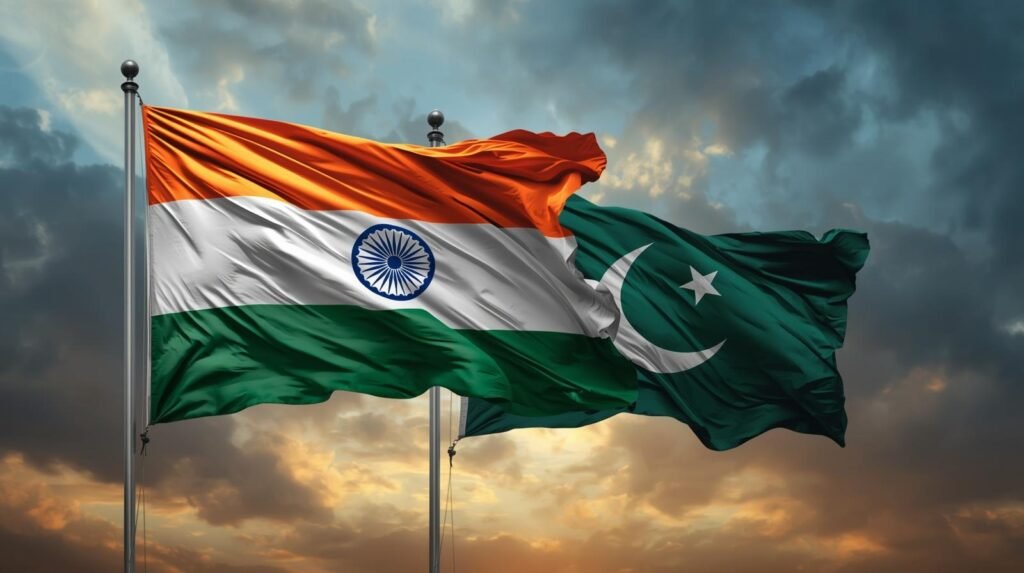
For decades, global alliances seemed fixed—predictable, even permanent. But in the 2020s, those foundations are cracking. The global alliances shift is no longer a slow evolution; it’s an accelerating transformation reshaping power, influence, and trust across continents.
From strained Western partnerships to the rise of new coalitions, the geopolitical map is being redrawn in real time.
Background: The Legacy of Post-Cold War Alliances
Since the end of the Cold War, global politics largely revolved around US-led alliances. Institutions like NATO and partnerships across Europe and Asia created a relatively stable, Western-centric order.
This system was built on:
- Shared security interests
- Economic interdependence
- Democratic values
However, cracks began to appear in the late 2010s. Trade disputes, rising nationalism, and shifting economic centers started to weaken the cohesion of traditional alliances. The Russia–Ukraine war has further accelerated the global alliances shift, deepening polarization across the international system and forcing countries to reassess long-standing partnerships, according to analysis by the Council on Foreign Relations.
Current Developments: Alliances in Flux
1. The Rise of Alternative Power Blocs
New coalitions are emerging to challenge Western dominance. Groups like BRICS are expanding both in influence and membership ambitions.
Countries in Asia, Africa, and Latin America are increasingly:
- Seeking strategic autonomy
- Reducing reliance on Western institutions
- Building South-South cooperation frameworks
This reflects a broader desire to reshape global governance.
2. Strains Within Western Alliances
Even long-standing alliances are under pressure.
Within NATO:
- Members disagree on defense spending
- Diverging threat perceptions complicate unity
- Domestic politics influence foreign policy commitments
Meanwhile, transatlantic tensions—especially between the US and European nations—have occasionally resurfaced over trade, defense priorities, and strategic independence.
3. The US–China Strategic Rivalry
At the heart of the global alliances shift lies the growing competition between United States and China.
This rivalry is:
- Forcing countries to choose sides—or avoid choosing altogether
- Driving new regional alignments in the Indo-Pacific
- Reshaping trade, technology, and military partnerships
Initiatives like the Quad and AUKUS signal a move toward more flexible, issue-based alliances rather than rigid blocs.
4. War and Regional Conflicts as Catalysts
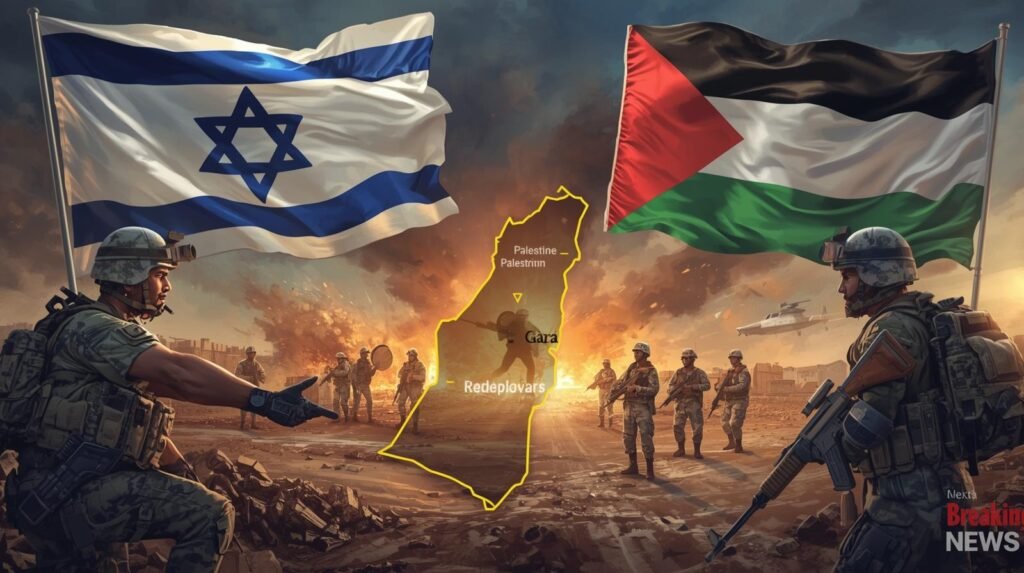
Conflicts in Eastern Europe and the Middle East have accelerated alliance changes.
For example:
- The war in Ukraine has reinforced some Western unity
- Simultaneously, it has exposed divisions globally, especially among non-Western nations
- Neutral or non-aligned positions are becoming more common
This trend signals a shift away from binary geopolitical alignments.
Analysis: Why Old Alliances Are Breaking
Multipolarity Is Replacing Unipolarity
The era of a single dominant superpower is fading. Instead, multiple centers of power—Washington, Beijing, Brussels, New Delhi—are shaping global decisions.
This multipolar world:
- Encourages flexible partnerships
- Reduces dependency on any single power
- Increases geopolitical complexity
National Interests Are Taking Priority
Countries are increasingly prioritizing:
- Economic security
- Energy independence
- Domestic political pressures
This means alliances are no longer based solely on ideology. Instead, they are driven by pragmatic, often short-term interests.
Trust Deficit in Global Institutions
Institutions that once underpinned alliances are facing skepticism. Many nations question whether existing systems:
- Represent their interests fairly
- Can adapt to new global realities
- Are overly influenced by a few powerful countries
This erosion of trust fuels the search for alternative frameworks.
Global Consequences: What Comes Next?
1. A More Fragmented World Order
The breakdown of traditional alliances could lead to:
- Competing regional blocs
- Increased diplomatic uncertainty
- More transactional international relations
2. Higher Risk of Conflict—and Cooperation
Paradoxically, the global alliances shift may:
- Increase tensions due to unclear alignments
- Also create new opportunities for cooperation on specific issues like climate or trade
3. Economic Realignment
Trade routes, supply chains, and investment flows are already adjusting. We are seeing:
- “Friend-shoring” and “near-shoring” strategies
- Reduced dependence on geopolitical rivals
- Regional economic integration
4. The Rise of Strategic Neutrality
Many countries—especially in the Global South—are choosing not to align strictly with any major power. This approach allows them to:
- Maximize economic opportunities
- Maintain diplomatic flexibility
- Avoid being drawn into great power conflicts
Conclusion: The End of Fixed Alliances
The 2020s are marking the end of predictable global alliances. Instead, the world is entering an era defined by fluid partnerships, shifting loyalties, and strategic ambiguity. The global alliances shift is not just a temporary disruption—it is a structural transformation. As nations adapt to this new reality, the ability to navigate complexity may become the most valuable geopolitical skill of all.