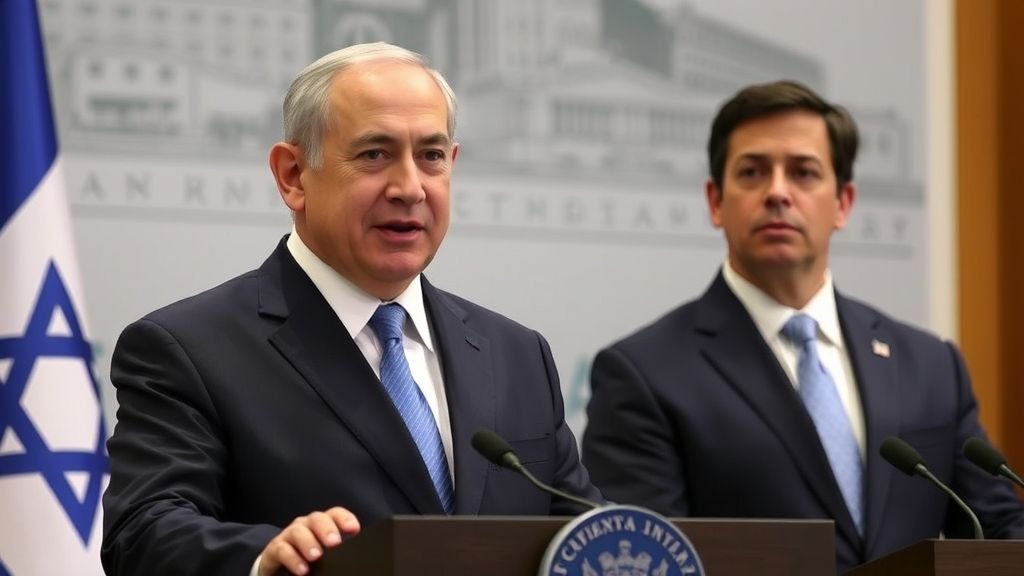
The Israel Gaza ceasefire will begin within 24 hours, a spokesperson for the Israeli government confirmed, following Thursday evening’s cabinet meeting.
The announcement marks the first tangible progress in ongoing negotiations aimed at halting hostilities and ensuring the safe return of Israeli hostages held in Gaza.
Cabinet Meeting to Finalize the Ceasefire
According to the spokesperson, Israel’s Cabinet will convene at 5:00 PM Israel time, followed by a full government meeting at 6:00 PM to finalize the first phase of the ceasefire plan.
Once the cabinet approves the framework, the ceasefire will officially begin within the next 24 hours, setting off a closely monitored sequence of security and humanitarian steps.
The Israel Gaza ceasefire announcement comes after weeks of international mediation, with Egypt playing a central role in facilitating communication between both sides.
Phase One: Hostage Release and IDF Redeployment
The spokesperson revealed that the final draft of Phase One was signed earlier today in Cairo, Egypt, by all participating parties.
This initial phase includes a 72-hour time window during which all hostages—living and deceased—will be released back into Israel.
The Israel Defense Forces (IDF) will begin redeploying to the yellow line, a designated boundary already distributed on official maps.
Under this arrangement, Israel will retain control of approximately 53% of the Gaza Strip, ensuring a secure perimeter while allowing for humanitarian coordination and medical access.
Preparations Underway to Receive Hostages
Israel has begun preparing for the return of its citizens held in Gaza. Major hospitals and emergency teams across the country are on high alert and ready to receive hostages “in all conditions they may be in,” according to the statement.
Medical specialists, mental-health professionals, and rescue units have been placed on standby, ensuring that each returning individual will receive comprehensive medical and emotional care upon arrival.
The Israeli government also made it clear that it expects Hamas to conduct the transfer respectfully, without public displays or parades. Once inside Israeli territory, hostages will be handed directly to specialized IDF units for medical assessment and family reunification.
Egypt’s Role and International Coordination
Today’s developments follow intense behind-the-scenes negotiations in Egypt, where mediators helped finalize the wording of the first-phase ceasefire document.
Cairo’s involvement has been instrumental in maintaining communication between Israel, Hamas, and international partners, including the United States.
The Israeli spokesperson credited the “magnificent coordination between Prime Minister Benjamin Netanyahu and former U.S. President Donald Trump” for helping shape this agreement, describing it as a “strategy envisioned by the Prime Minister and executed in full coordination with Washington and Jerusalem.”
What Happens Next
If implemented as planned, the Israel Gaza ceasefire will begin within 24 hours of the cabinet meeting’s conclusion. Once the ceasefire takes effect:
- The 72-hour hostage release process will commence.
- The IDF will redeploy to the yellow line, maintaining defensive positions.
- Israel will coordinate with Egypt and other regional actors to monitor ceasefire compliance.
- Preparations will begin for subsequent negotiation phases, potentially leading to longer-term peace arrangements.
By Monday, if all steps proceed as scheduled, Israel expects to have received all hostages and entered a new stage of stability in the Gaza region.
Hope for a Turning Point
While challenges remain, the announcement has sparked cautious optimism within Israel and abroad.
After months of violence and uncertainty, the Israel Gaza ceasefire represents a potential turning point toward peace and humanitarian recovery.
Officials say this progress could open the door for longer-term negotiations, paving the way for reconstruction efforts and improved regional stability — a development many believe the world has been waiting for.
Sources: Economics Times, Reuters, The Guardians
For more on current events, check out our full coverage of the Reasons why THE US should Ban the Muslim Brotherhood Now and stay updated on the latest developments.