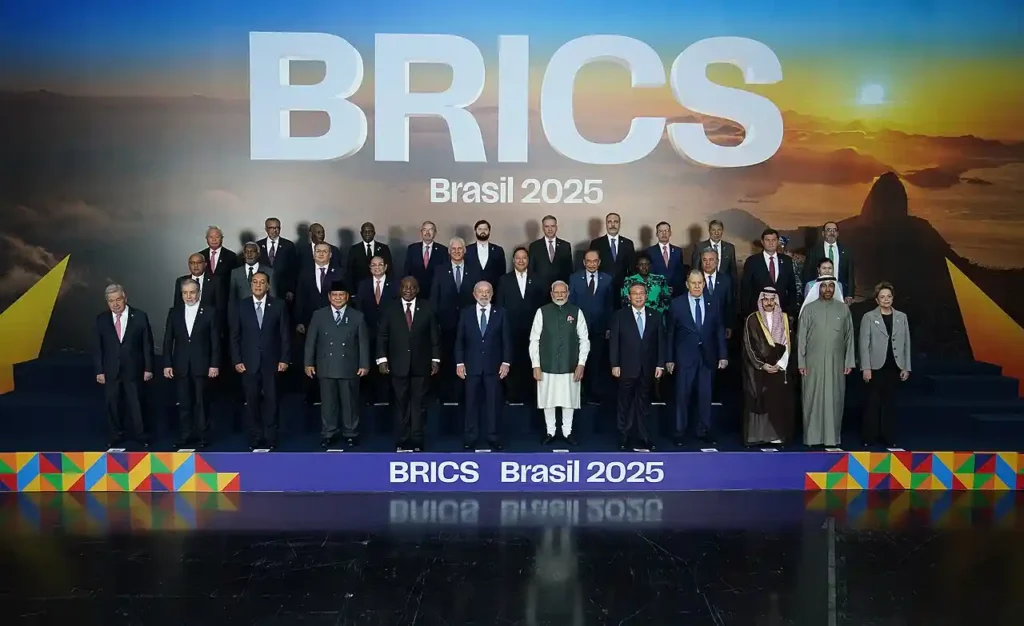
The rise of BRICS economic influence is rapidly reshaping global geopolitics, as countries rethink who they trust in an increasingly unstable world. From Iran war tensions to escalating economic standoffs, conflict lines are redrawing alliances—and nations are no longer just reacting, they are choosing their future partners more carefully. As dissatisfaction with traditional global leadership—especially the United States—continues to grow, many countries are turning toward BRICS in search of stability, economic growth, and strategic independence.
BRICS began as a grouping of emerging economies seeking greater influence in global financial systems dominated by Western institutions. Over time, it evolved into a platform for economic coordination and development financing. According to official insights from the BRICS platform, emerging economies are becoming key drivers of global growth, strengthening the relevance and strategic importance of alliances like BRICS in shaping the future economic order.
A World Shaped by Conflict—and Fatigue
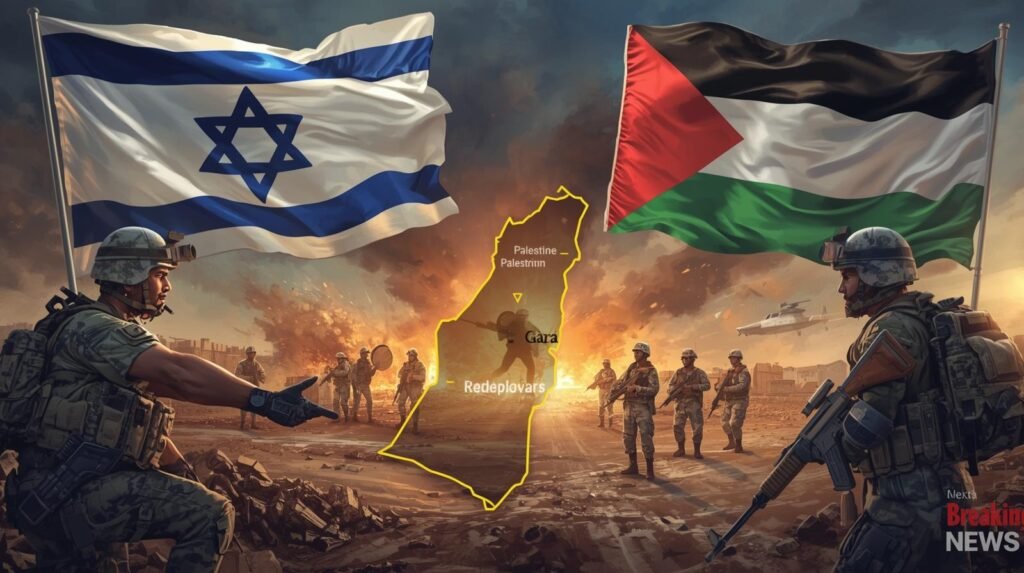
For decades, the United States positioned itself as the global stabilizer. But today, many countries see a different pattern: repeated involvement—direct or indirect—in conflicts across regions. From Iraq and Afghanistan to the latest tensions involving Iran, Washington’s footprint is everywhere. While often framed as security interventions, these engagements have also brought prolonged instability.
The recent Iran-related escalations have only reinforced a broader perception: that global leadership tied to military engagement comes at a cost—economic disruption, regional volatility, and long-term uncertainty. Developing nations, especially, are asking a critical question:
Is this the kind of leadership the future needs?
Why Trust in Western Alliances Is Cracking
Institutions like NATO and blocs like the G7 were once seen as pillars of global cooperation. But their priorities increasingly appear aligned with Western strategic interests rather than global balance.
Selective Attention to Global Crises
Conflicts in Europe receive immediate, unified responses. Meanwhile, prolonged crises in Africa or parts of East Asia often struggle to gain the same urgency or resources.
Economic Pressure Over Partnership
Trade wars, sanctions, and tariffs—especially during the Trump administration—have left deep scars. From aggressive tariffs on allies to threats against trade partners, economic policy has often felt coercive rather than collaborative.
Policy Volatility
From discussions around Greenland to shifting NATO commitments and unpredictable foreign policy decisions, many countries now see Western leadership as inconsistent. Even long-standing allies like Canada and European nations have quietly begun diversifying their economic and strategic partnerships—some moving closer to China and other emerging powers.
The Rise of BRICS Economic Influence
Against this backdrop, BRICS is gaining traction—not as a perfect system, but as an alternative. The BRICS economic influence is rooted in a fundamentally different promise: cooperation without coercion.
A Platform for the Global South
BRICS positions itself as a voice for developing nations—countries that often feel sidelined in Western-led institutions.
Economic Growth Over Military Strategy
Unlike NATO, BRICS is not a military alliance. Its focus is economic collaboration—trade, infrastructure, and development financing.
Freedom from Dollar Dependency
The push toward trading in local currencies is particularly appealing. It reduces vulnerability to sanctions and external economic shocks.
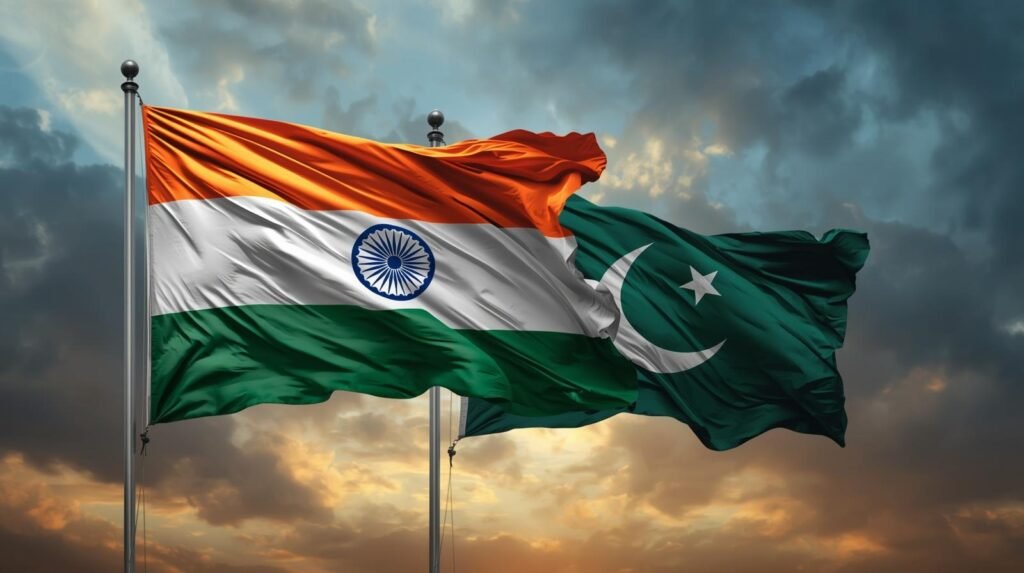
India: The Strategic Anchor of BRICS
Among all BRICS nations, India stands out as a critical pillar of credibility and balance.
A Rapidly Growing Economy
India is one of the fastest-growing major economies in the world. Its market size, digital expansion, and demographic advantage make it a key driver of future global growth.
A Democratic Counterbalance
India brings political diversity to BRICS. Its democratic system offers reassurance to countries hesitant about aligning too closely with authoritarian powers.
A Stability Signal
In a world shaken by conflict and policy unpredictability, India represents continuity and stability—qualities that developing nations deeply value. For many countries, India’s presence in BRICS makes the bloc more trustworthy and balanced.
Why Countries Are Choosing BRICS
The appeal of BRICS is not ideological—it is practical.
1. Stability Over Conflict
Countries are tired of being caught in geopolitical crossfires. They want partnerships that prioritize growth, not war.
2. Predictable Economic Policies
Frequent tariff changes and sanctions regimes have made Western markets unpredictable. BRICS offers an alternative framework focused on mutual benefit.
3. Inclusion and Representation
Unlike traditional institutions, BRICS gives emerging economies a stronger voice in decision-making.
4. Future-Oriented Growth
From infrastructure funding to trade corridors, BRICS is increasingly seen as a platform for long-term development.
A Multipolar World Is No Longer a Theory
The shift we are witnessing is not temporary. It is structural. The dominance of a single global leader is giving way to a multipolar system—where power is distributed across regions and alliances.
BRICS is at the center of this transformation. It does not yet replace Western systems—but it challenges them. And in geopolitics, even the perception of an alternative can reshape global behavior.
Conclusion: The Search for a New Kind of Leadership
The rush toward BRICS reflects something deeper than economics—it reflects a global search for stability, fairness, and predictability. As wars continue to disrupt regions and economic policies become tools of pressure, countries are looking for a different model of leadership.
The BRICS economic influence is growing because it promises exactly that:
not dominance, but partnership;
not pressure, but participation.
Whether BRICS can fully deliver on that promise remains to be seen. But for now, one thing is clear—the world is no longer willing to rely on a single power to shape its future.