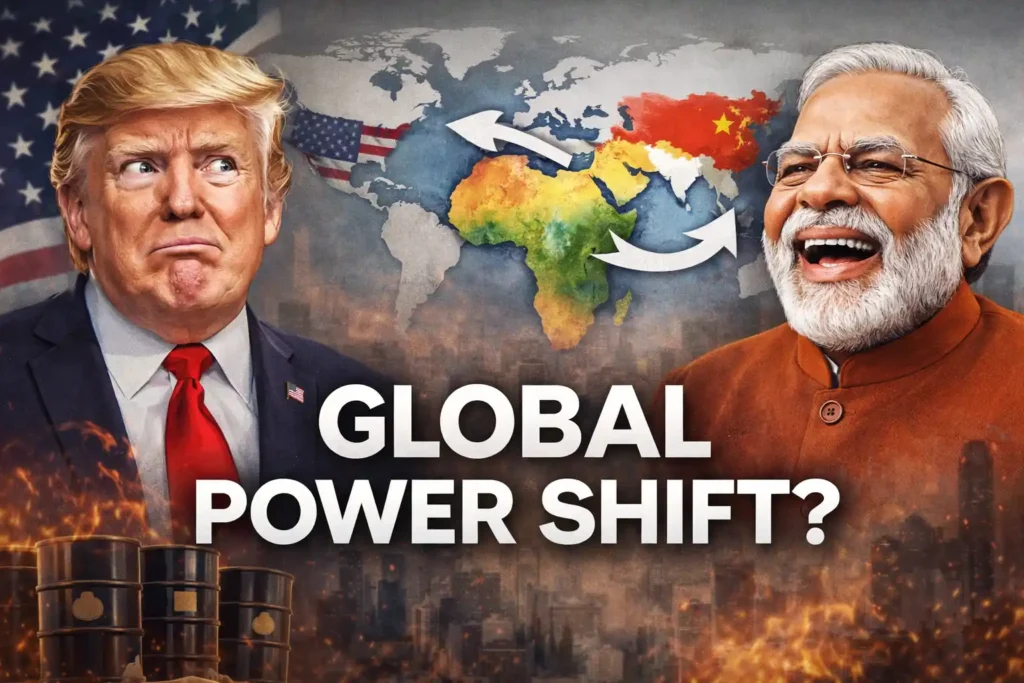
The Global Power Shift may already be underway—and it’s being accelerated by something unexpected: unpredictability at the highest levels of global leadership. What seems like a trivial moment—an awkward remark, a pause, a room unsure how to react—can often reveal deeper geopolitical changes.
Because in today’s world, what looks like randomness may actually be signaling a much larger transformation in the global order.
Background: From Stability to Strategic Uncertainty
For decades, the global system operated under a relatively predictable structure. The United States led, allies aligned, and global trade and energy flows followed established patterns. Stability, even when imperfect, was the defining feature.
However, recent years have seen a departure from that model. Policy decisions have become more abrupt, trade measures more aggressive, and diplomatic messaging less consistent. Tariff wars, sudden policy reversals, and shifting rhetoric have introduced a new variable into global politics—uncertainty.
According to data from the International Energy Agency, disruptions in global energy supply chains are already influencing price volatility and long-term market stability. This shift in tone is not just stylistic—it is structural.
Current Developments: Fragmentation in Motion
Recent developments suggest that countries are no longer reacting uniformly to U.S. actions. Instead, they are recalibrating independently.
Several indicators highlight this trend:
- Trade relationships are becoming more flexible, with countries reassessing agreements rather than committing long-term.
- Allies are increasingly pursuing parallel strategies, balancing cooperation with strategic autonomy.
- Energy markets have become volatile following disruptions in key production regions such as Saudi Arabia and Qatar.
One of the most immediate impacts has been on Europe, where gas prices surged significantly following supply concerns. The implications extend beyond economics—energy security is now directly influencing foreign policy decisions.
At the same time, alternative suppliers are gaining relevance. Countries previously sidelined in global energy discussions are now stepping into critical roles, reshaping supply chains and political leverage.
The Rise of Strategic Alternatives
Perhaps the most important development is not what is breaking—but what is emerging. The growing relevance of BRICS and other multilateral groupings reflects a broader desire for diversification. Countries are no longer comfortable relying on a single axis of power. Instead, they are exploring parallel systems.
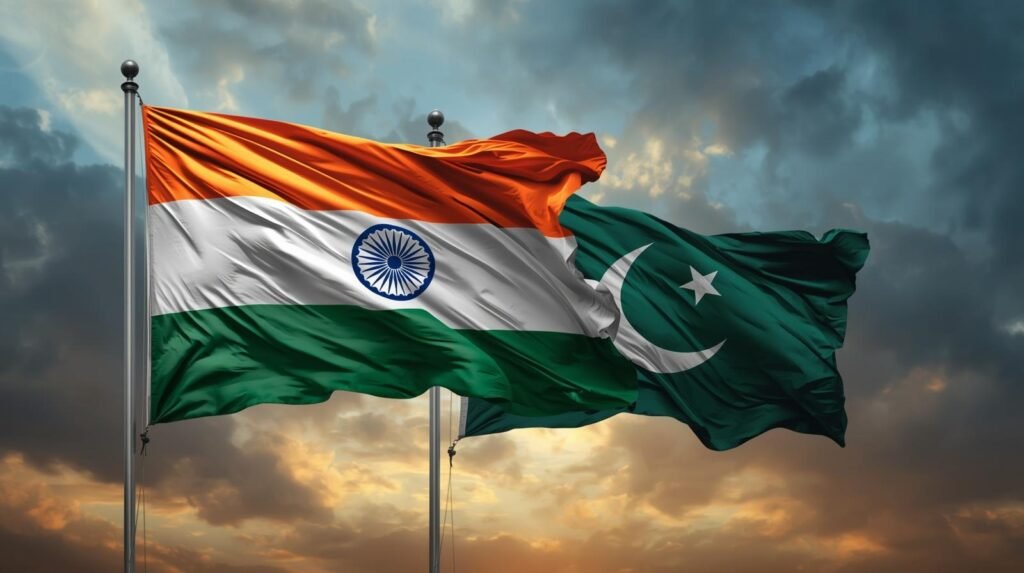
India, in particular, has positioned itself as a uniquely balanced player. Unlike traditional power blocs, India maintains relationships across geopolitical divides. It engages with Western economies while sustaining ties with Russia, Iran, and other regional powers. This multi-alignment strategy allows India to act as both a partner and a mediator.
More importantly, India’s approach to trade and diplomacy is perceived as measured rather than reactive. Negotiations tend to be prolonged, but they offer predictability—an increasingly valuable trait in an uncertain environment. As global economies seek stability, this consistency is becoming a strategic advantage.
Geopolitical Implications: Trust Over Power
The ongoing Global Power Shift is not simply about which country is strongest. Instead, it is increasingly about which country—or system—is most trusted. In other words, raw power alone is no longer enough to sustain influence. As a result, three key patterns are now emerging:
1. Decentralization of Influence
Power is no longer concentrated in a single global leader. Instead, it is distributed across multiple regions, including Asia, the Middle East, and emerging economies.
2. Energy as a Strategic Lever
Control over energy supply chains is redefining influence. Countries that can ensure stable access to resources are gaining diplomatic leverage.
3. Transactional Alliances
Traditional alliances based on long-term loyalty are giving way to issue-based partnerships. Countries are increasingly making decisions based on immediate benefits rather than historical alignment.
Possible Global Consequences
If current trends continue, the implications could be far-reaching:
A Multi-Polar World
The global system may evolve into a structure where multiple powers coexist, each influencing different regions and sectors.
Increased Economic Fragmentation
Trade networks could become more regionalized, reducing global integration while increasing resilience at the local level.
Redefined Leadership
Leadership may no longer be defined by dominance but by reliability and adaptability.
Greater Strategic Autonomy
Countries will prioritize independence in decision-making, reducing reliance on any single partner.
Conclusion
Unpredictability in geopolitics is often viewed as a risk. But it can also act as a catalyst. What appears to be instability may, in fact, be the early stages of systemic transformation. The current Global Power Shift is not happening through dramatic announcements or singular events. It is unfolding through a series of quiet adjustments—trade decisions, energy realignments, and diplomatic recalibrations.
The question is no longer whether the global order is changing. It is how quickly—and who will shape what comes next.