Introduction: The World’s Hidden Pressure Points
A single disruption at sea can send shockwaves through the global economy within hours. In today’s interconnected world, global shipping routes are not just trade pathways—they are strategic assets that nations compete to secure and control. From oil tankers in the Middle East to container ships in Asia, these maritime arteries are increasingly at the center of geopolitical tension.
For a broader understanding of how deeply global shipping routes influence trade and economic stability, international institutions have consistently highlighted their importance. According to the United Nations Conference on Trade and Development (UNCTAD), maritime transport accounts for nearly 90% of global trade, underscoring how dependent the world economy is on uninterrupted sea lanes. Their latest findings also emphasize growing vulnerabilities in key chokepoints and the rising geopolitical risks surrounding them.
Background: The Arteries of Global Trade
Nearly 90% of global trade moves by sea, making maritime transport the backbone of international commerce. These routes connect factories, energy hubs, and consumer markets in a vast, interdependent system. However, this system depends heavily on a handful of narrow chokepoints. When these routes are disrupted, the consequences ripple across industries and borders.
The 2021 Suez Canal blockage demonstrated this vulnerability, halting billions of dollars in trade and exposing how fragile global shipping routes truly are.
Key Chokepoints: Where Global Shipping Routes Are Most Vulnerable
Global shipping routes funnel through a few critical maritime chokepoints—each carrying immense strategic importance.
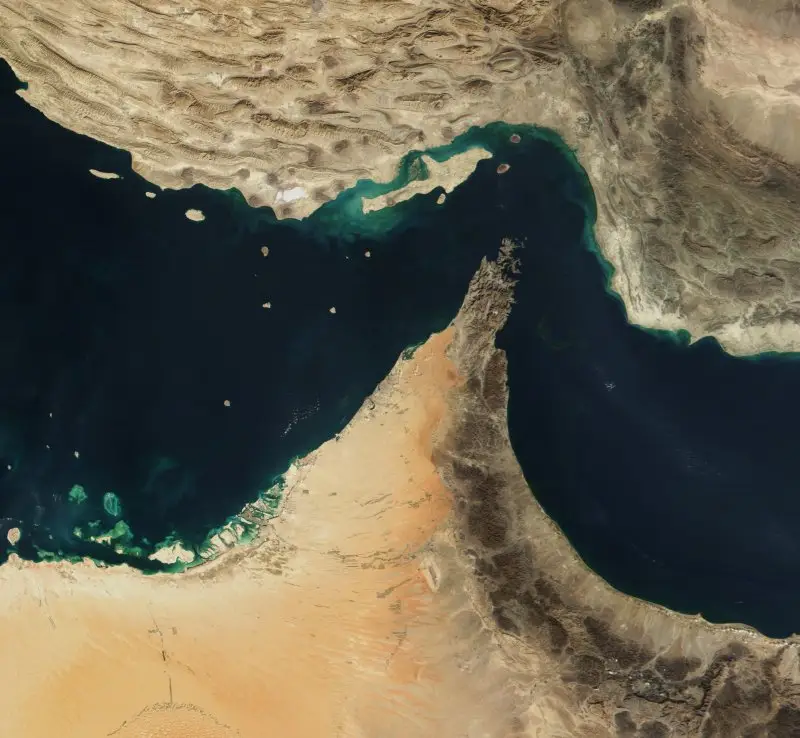
Strait of Hormuz: The Energy Lifeline
Roughly 20% of the world’s oil supply passes through this narrow corridor. Tensions involving Iran and the United States have repeatedly raised fears of disruptions. Any escalation here can instantly impact global oil prices, making it one of the most sensitive points in global trade.
Suez Canal: A Fragile Shortcut
Handling about 12% of global trade, the Suez Canal connects Europe and Asia. Any blockage forces ships to reroute around Africa, adding weeks to delivery times and sharply increasing costs.
Strait of Malacca: Asia’s Trade Artery
This route is essential for Asian economies, particularly for energy imports into China, Japan, and South Korea. Disruption here would severely impact global manufacturing and trade flows.
Bab el-Mandeb: A Growing Flashpoint
Located near Yemen, this chokepoint has become increasingly volatile. Attacks on commercial vessels have forced rerouting, disrupting trade between Europe and Asia.
Current Developments: Rising Tensions at Sea
Shipping lanes are no longer neutral zones—they are contested spaces shaped by power politics.
- Military presence is increasing near key routes, especially in the Middle East and Indo-Pacific
- Commercial vessels face rising threats, from piracy to drone and missile attacks
- Trade routes are being reshaped, with companies avoiding high-risk zones
- Major powers are investing in ports and logistics networks to secure long-term influence
These developments highlight how global shipping routes are evolving into strategic battlegrounds.
Geopolitical Implications: Control Equals Influence
The importance of global shipping routes goes beyond economics.
Strategic Leverage
Control over chokepoints allows nations to influence global trade flows and exert pressure during conflicts.
Energy Security
Disruptions in routes like the Strait of Hormuz can trigger global energy crises almost instantly.
Power Rivalries
Competition between major powers is increasingly playing out at sea, particularly in Asia and the Middle East.
Legal Disputes
Conflicts over maritime boundaries and freedom of navigation are intensifying, adding another layer of complexity.
Global Consequences: A System Under Strain
The risks associated with global shipping routes are growing:
- Supply chain disruptions affecting industries worldwide
- Rising shipping costs, passed on to consumers
- Food and energy insecurity, especially in developing nations
- Higher risk of conflict escalation in strategic regions
Even minor disruptions can cascade into major global crises.
Analysis: Why This Moment Is Different
What makes today’s situation unique is the convergence of multiple pressures:
- Increased dependence on global trade
- Rising geopolitical tensions
- Climate-related disruptions affecting shipping
- Technological advancements in naval and surveillance capabilities
Shipping routes are no longer passive—they are active instruments of geopolitical power.
Conclusion: The Future of Global Shipping Routes
Global shipping routes sit at the intersection of economics, security, and strategy. As tensions rise and trade networks evolve, these maritime corridors will remain central to global stability. Ensuring their security is no longer just a logistical concern—it is a geopolitical imperative.