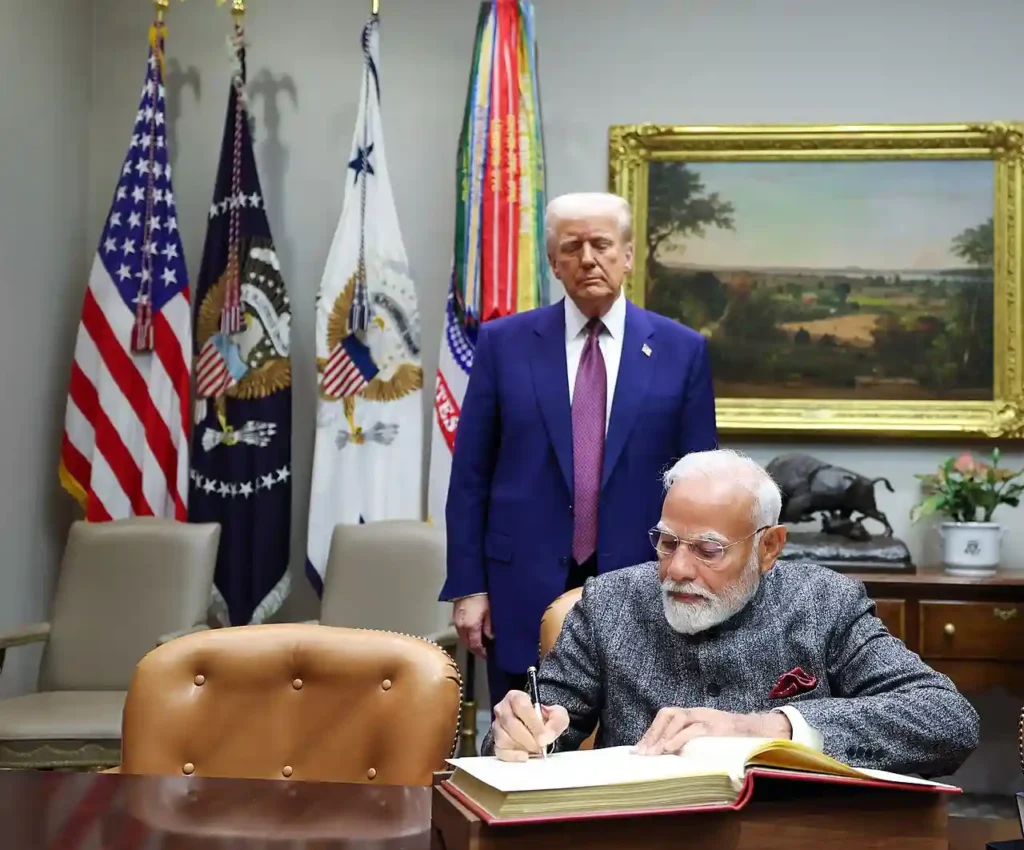
As tensions rise in the Middle East, the idea that India mediates US Iran conflict is beginning to gain attention in strategic circles. In a region where alliances are often rigid and deeply divided, one country is now being discussed as a possible bridge between rivals. Could India play a role in preventing a larger confrontation? It’s a question that reflects not just the urgency of the moment, but also the shifting dynamics of global diplomacy.
Background: How India Mediates US Iran Context Emerges
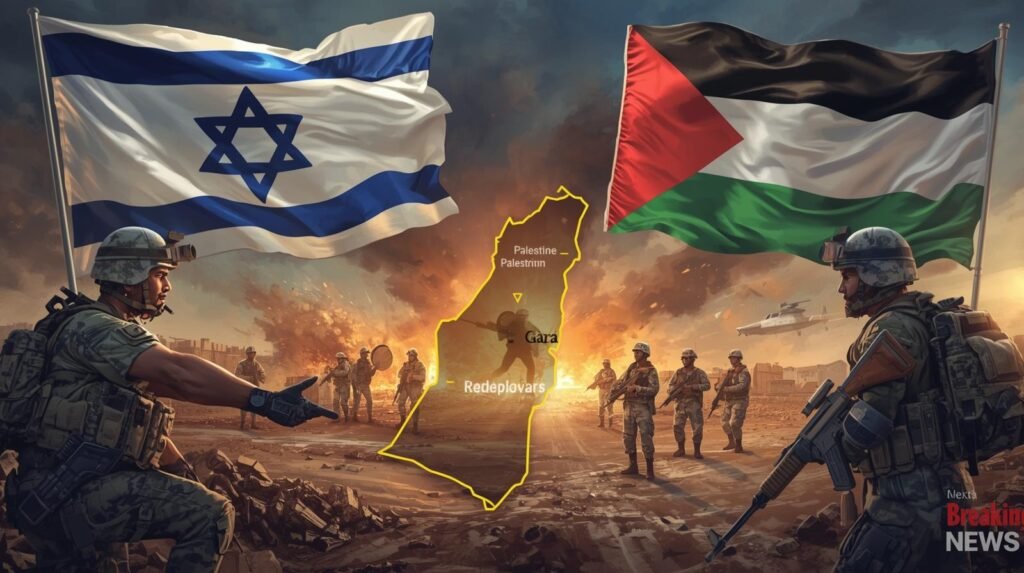
The Middle East has once again become the center of global geopolitical anxiety. Escalating tensions involving the United States and Iran, alongside Israel’s growing involvement, have raised fears of a broader confrontation. This is not just another regional dispute. The Middle East remains critical to global energy supply chains, and even minor disruptions can have worldwide consequences.
In recent discussions, a retired U.S. Army officer suggested that if meaningful negotiations are to take place, traditional diplomatic channels may not be enough. Instead, a new mediator — one with balanced relationships — may be required. For context on rising regional tensions, see this analysis by the Atlantic Council.
Current Developments: A Case for India
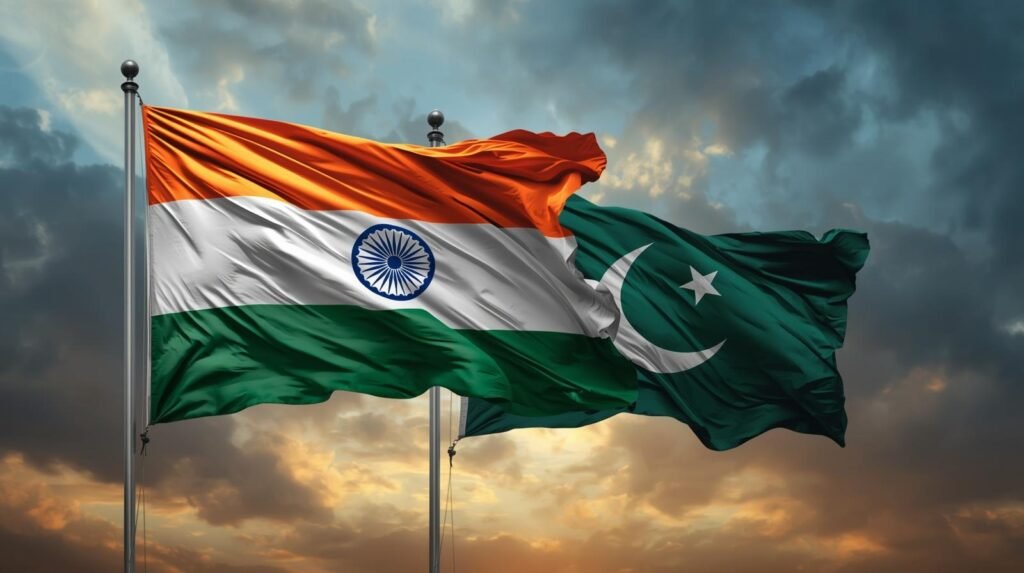
The suggestion that India could act as a mediator is rooted in its unique diplomatic positioning. Unlike many global powers, India maintains working relationships across competing blocs:
- Strong defense and economic ties with Israel
- Strategic cooperation with the United States
- Long-standing engagement with Iran
This balance is rare. In an environment where trust is limited, India’s ability to communicate with all sides places it in a potentially valuable position. It is neither seen as overtly aligned with one camp nor completely detached from the region’s complexities. At a time when traditional mediators may struggle to bring all parties to the table, this neutrality — or at least perceived neutrality — becomes a strategic asset.
Why Traditional Mediators May Fall Short
Historically, countries like Qatar and Oman have played roles in facilitating dialogue in the Middle East. However, the scale and sensitivity of current tensions may require broader influence. At the same time, involving major global powers such as China or Russia introduces another challenge — perceived bias.
In geopolitical negotiations, perception matters as much as reality. If either side believes the mediator favors the other, talks can stall before they even begin. India, by contrast, has spent years building relationships without fully committing to any one geopolitical bloc. This allows it to maintain credibility across multiple fronts.
Geopolitical Implications as India Mediates US Iran
India’s potential role in mediating between the United States and Iran highlights a broader shift in global power dynamics. Traditionally, crisis mediation has been dominated by Western powers or international institutions. However, as global influence becomes more distributed, countries like India are gaining diplomatic relevance. In this context, the idea that India mediates US Iran tensions is not just about one conflict. Rather, it reflects a changing world where emerging powers are no longer just participants — instead, they are becoming active problem-solvers.
For India, stepping into such a role could:
- Strengthen its global diplomatic standing
- Expand its influence beyond South Asia
- Position it as a key player in crisis management
However, it also comes with risks. Mediation efforts can fail, and unsuccessful diplomacy could expose limitations rather than strengths.
Possible Global Consequences
The stakes of the current situation extend far beyond the Middle East. In particular, one of the most immediate concerns is energy. If tensions continue to escalate, critical oil routes could be disrupted. As a result, oil prices could rise sharply — potentially reaching levels that would strain economies worldwide. In this scenario, if India mediates US Iran tensions successfully, the chances of such economic disruption could be reduced. Consequently, the ripple effects would be significant:
- Increased fuel and transportation costs
- Inflationary pressure across global markets
- Potential stock market volatility
- Economic uncertainty in both developed and developing nations
In this context, diplomacy is not just a political necessity — it is an economic one. Preventing escalation could help stabilize markets and reduce the risk of a broader financial shock.
Can India Mediates US Iran Tensions Continue?
Whether India will actually step into a mediating role remains uncertain. Diplomatic efforts depend on willingness from all sides. Even the most well-positioned mediator cannot succeed without cooperation. However, as discussions around whether India mediates US Iran tensions continue to grow, the very fact that India is being considered in this context is notable. It signals, in turn, recognition of its growing influence and its ability to operate across complex geopolitical lines. Ultimately, the coming weeks will likely determine whether this idea remains a theoretical possibility or evolves into a real diplomatic initiative.
Conclusion
In times of rising conflict, the question is not just who has power — but who can build trust. India’s unique position in the current Middle East crisis lies in its ability to maintain relationships where others cannot. In this context, the idea that India mediates US Iran tensions makes it a potential candidate for meaningful diplomacy. That alone strengthens its case as a mediator. However, the window for diplomacy may not remain open for long. If tensions continue to rise, the cost of inaction could extend far beyond the region — affecting economies, markets, and global stability. Therefore, in such a scenario, the value of a credible mediator becomes even more critical.