The question of Iran vs Israel military strength has quietly become one of the most consequential strategic debates in global geopolitics. While both nations rarely confront each other directly on the battlefield, their rivalry shapes conflicts across the Middle East—from Syria to the Persian Gulf.
In recent years, escalating tensions, proxy wars, and covert operations have intensified speculation about what would happen if the two regional powers were forced into a direct military confrontation. But beyond headlines and political rhetoric lies a deeper question: which country actually holds the military advantage?
The Roots of the Iran–Israel Rivalry
The confrontation between Iran and Israel is not a traditional territorial dispute. Instead, it is a strategic and ideological rivalry that emerged after the 1979 Iranian Revolution.
Before that revolution, Iran and Israel maintained relatively quiet diplomatic relations. However, the new Iranian leadership adopted a strongly anti-Israel stance and began supporting groups hostile to Israel, including organizations operating in Lebanon and Gaza.
Over time, this rivalry evolved into a complex network of proxy conflicts, cyber operations, and intelligence warfare. Both countries frequently accuse each other of sabotage operations, targeted assassinations, and cyberattacks.
For a deeper overview of the escalating tensions between Iran, Israel, and regional actors, see the Council on Foreign Relations conflict tracker.
Comparing Military Strength
At first glance, comparing Iran vs Israel military capabilities is not straightforward. The two nations have fundamentally different military strategies and strengths.
Israel: Advanced Technology and Air Superiority
Israel maintains one of the most technologically advanced militaries in the world. The Israeli Defense Forces (IDF) rely heavily on:
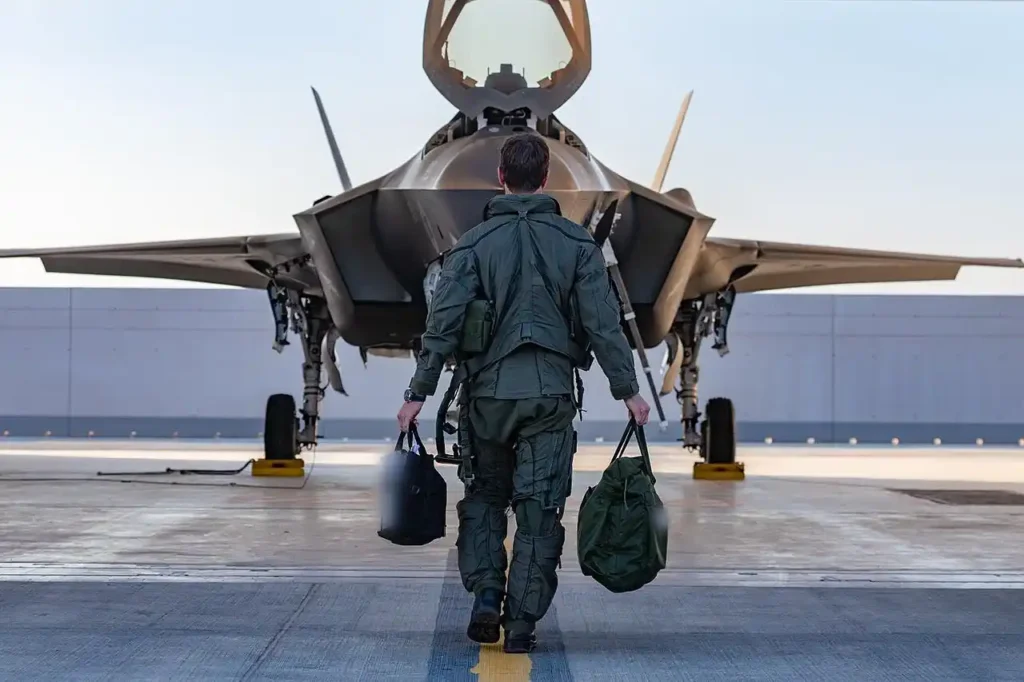
- Advanced fighter jets, including F-35 stealth aircraft
- Sophisticated intelligence networks
- Precision-guided missile systems
- Highly trained special forces
Israel also operates one of the world’s most sophisticated missile defense systems, including Iron Dome, David’s Sling, and Arrow systems, designed to intercept rockets and ballistic missiles. Another major advantage is Israel’s strong relationship with the United States, which provides advanced military technology, intelligence cooperation, and strategic support. Although never officially confirmed, Israel is widely believed to possess nuclear weapons, creating a powerful deterrent against large-scale attacks.
Iran: Scale, Missiles, and Asymmetric Warfare
Iran’s military doctrine is very different. Rather than matching Israel’s technological sophistication, Iran focuses on asymmetric warfare and regional influence.
Iran’s strengths include:
- One of the largest missile arsenals in the Middle East
- Large numbers of drones and UAVs
- A vast network of regional allies and proxy forces
- A large standing military and reserve forces
Iran has also invested heavily in ballistic missiles capable of striking targets across the Middle East, including Israel. However, Iran’s air force relies on older aircraft, many dating back decades. As a result, Iran prioritizes missiles, drones, and proxy warfare to offset Israel’s technological advantages.
The Role of Proxy Conflicts
One reason a direct war between Iran and Israel has been avoided is the widespread use of proxy forces. Iran supports various regional groups that challenge Israel indirectly, particularly in Lebanon and Syria. These groups allow Iran to exert pressure on Israel without triggering a full-scale war.
Israel, in turn, conducts frequent airstrikes against Iranian-linked targets in Syria to prevent weapons transfers and military buildup near its borders. This shadow war has become one of the defining features of Middle Eastern security.
Current Developments Raising Tensions
Over the past decade, tensions have repeatedly spiked due to several developments:
- Iranian missile and drone expansion
- Israeli strikes on Iranian military assets in Syria
- Growing cyber warfare between the two countries
- Regional instability involving other actors
Each new incident raises fears that a miscalculation could escalate into a broader confrontation. Yet both sides appear aware that a direct war would carry enormous risks.
Geopolitical Implications for the Middle East
If the Iran vs Israel military rivalry escalated into open conflict, the consequences would likely extend far beyond the two countries. A regional war could draw in multiple actors, including:
- Gulf states
- U.S. military forces stationed in the region
- Hezbollah and other militant groups
Such a conflict could rapidly destabilize the entire Middle East. Additionally, major energy routes—including those near the Persian Gulf—could be disrupted, impacting global oil markets.
Possible Global Consequences
The global implications of a direct Iran–Israel confrontation would be significant. First, it could reshape security alliances across the Middle East. Countries that currently maintain cautious neutrality might be forced to take sides. Second, global energy markets would likely react immediately. Any disruption near key shipping lanes could cause sharp spikes in oil prices.
Third, there are broader security concerns. A large-scale conflict could involve advanced weapons systems, cyber warfare, and potentially long-range missile strikes affecting regional infrastructure. For global powers such as the United States, Russia, and China, managing the fallout from such a conflict would become a major diplomatic challenge.
Who Holds the Real Military Edge?
Ultimately, the answer to the Iran vs Israel military comparison depends on the type of conflict imagined. In a direct conventional war, Israel’s technological superiority, air power, and intelligence capabilities would likely provide a significant advantage.
However, Iran’s strengths lie in asymmetric warfare, regional influence, and missile capabilities. These factors could prolong and complicate any conflict. In reality, neither side would emerge from a full-scale war without major consequences.
Conclusion
The debate over Iran vs Israel military strength is about more than numbers or equipment. It reflects two fundamentally different military strategies. Israel relies on technological superiority and rapid precision operations. Iran relies on scale, missiles, and regional alliances.
For now, both countries appear to prefer a strategy of deterrence and indirect confrontation rather than open warfare. But in an already volatile region, even a small escalation could shift the balance dramatically.