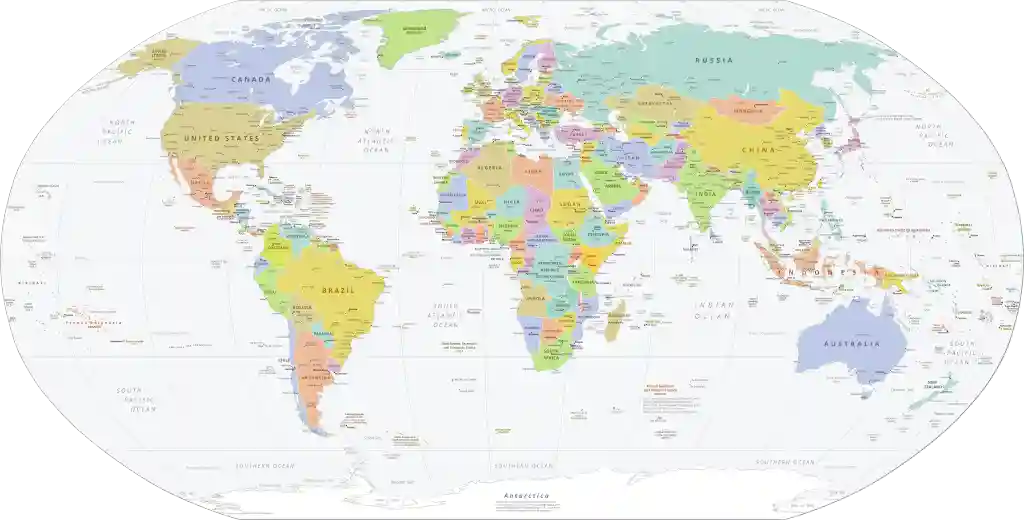
At first glance, the Israel–Iran rivalry appears to be a regional conflict. But the deeper story lies in the complex web of Israel Iran alliances shaping global geopolitics. Behind the headlines and military tensions is a strategic network of partnerships stretching from Washington and Moscow to Beijing and the Persian Gulf.
Understanding the Israel Iran alliances shaping this rivalry is crucial to grasping how a regional confrontation could quickly evolve into a global geopolitical crisis.
Background: A Rivalry Decades in the Making
The roots of the Israel–Iran rivalry trace back to the 1979 Iranian Revolution, when Iran’s new Islamic government adopted a fiercely anti-Israel stance. Prior to the revolution, Iran and Israel had maintained quiet diplomatic and security ties. Since then, the relationship has evolved into one of the Middle East’s most enduring strategic confrontations.
Iran’s leadership views Israel as a Western-backed state undermining regional stability, while Israel sees Iran’s nuclear ambitions and regional militia networks as existential threats. Over the decades, this rivalry has played out through proxy conflicts, cyber warfare, intelligence operations, and military deterrence.
According to the Council on Foreign Relations, Iran’s regional influence operates through alliances and partnerships with groups across the Middle East, shaping conflicts in Lebanon, Syria, Iraq, and Yemen.
But while the confrontation often appears bilateral, the reality is far more complicated.
The Global Alignment Behind Israel
Israel’s strongest strategic alliance remains with the United States. Washington provides military aid, advanced defense systems, and diplomatic backing in international institutions.
The U.S.–Israel relationship is one of the most significant security partnerships in modern geopolitics. American support includes missile defense systems such as Iron Dome and intelligence cooperation. Beyond Washington, Israel has cultivated relationships with several Western and regional partners.
Key Countries Closely Aligned With Israel
United States
The cornerstone of Israel’s global backing. U.S. military, intelligence, and diplomatic support plays a central role in maintaining Israel’s strategic advantage.
United Kingdom and European allies
While European governments sometimes criticize Israeli policies, many still align strategically with Israel on security issues, particularly regarding Iran’s nuclear program.
India
India has steadily expanded defense and technology cooperation with Israel over the past two decades, making Israel one of its major arms suppliers.
Gulf Arab states
In recent years, countries like the United Arab Emirates and Bahrain have moved toward closer relations with Israel, driven largely by shared concerns about Iranian influence.
These emerging partnerships signal a major shift in Middle Eastern geopolitics, where pragmatic security interests increasingly outweigh traditional rivalries.
Iran’s Strategic Network of Allies
Iran’s alliances operate differently from Israel’s. Instead of relying heavily on formal state alliances, Tehran has built a network of regional partners and non-state actors. This strategy allows Iran to project influence across the Middle East while maintaining plausible deniability in direct confrontations.
Iran’s Key Strategic Partners
Russia
Moscow and Tehran have strengthened their cooperation in recent years, particularly in Syria. Both countries share an interest in countering Western influence in the region.
China
China has expanded economic ties with Iran, including a long-term cooperation agreement involving infrastructure and energy investment. Beijing views Iran as an important node in its broader Eurasian strategy.
Syria
Iran’s alliance with the Syrian government has been central to maintaining its regional influence.
Hezbollah and regional militias
Iran supports groups such as Hezbollah in Lebanon and several militias in Iraq and Yemen. These partnerships form a network often referred to as Iran’s “axis of resistance.”
Through these alliances, Iran has developed a strategic depth that extends far beyond its borders.
The Emerging Global Divide
What makes the Israel Iran alliances particularly significant is how they intersect with broader global power rivalries. The Israel–Iran confrontation increasingly overlaps with the strategic competition between Western powers and emerging Eurasian blocs. On one side sits a network largely aligned with Western security structures, centered around the United States and its allies.
On the other stands a looser coalition involving Iran, Russia, and China—countries that share an interest in reshaping the global balance of power. However, these alignments are not rigid. Many countries attempt to maintain diplomatic flexibility. For example:
- Turkey balances relations with both Iran and Israel.
- Gulf states maintain economic ties with China while cooperating with the United States.
- European governments seek diplomatic engagement with Iran even while supporting Israel’s security concerns.
This fluidity makes the geopolitical landscape particularly unpredictable.
Possible Global Consequences
If tensions between Israel and Iran were to escalate into a direct military conflict, the consequences could extend far beyond the Middle East. Several key risks stand out.
Energy Market Disruption
The Persian Gulf is one of the world’s most critical energy corridors. Any escalation could disrupt oil and gas flows, affecting global energy prices.
Expansion of Regional Conflict
Iran’s network of regional partners could transform a bilateral confrontation into a multi-front conflict involving Lebanon, Syria, Iraq, or Yemen.
Superpower Tensions
Increased involvement by major powers could further strain relations between Western countries and rivals like Russia and China.
Economic Shockwaves
Sanctions, shipping disruptions, and energy price volatility could ripple through global markets.
For these reasons, policymakers across the world closely monitor every shift in the Israel–Iran dynamic.
Conclusion
The Israel–Iran rivalry is not merely a regional struggle between two adversaries. It represents a complex intersection of global alliances, regional rivalries, and great-power competition.
Understanding the Israel Iran alliances behind this confrontation reveals why even limited escalations can carry global implications. As geopolitical tensions evolve, the hidden network of partnerships surrounding Israel and Iran will continue shaping the future of the Middle East—and potentially the wider international order.