
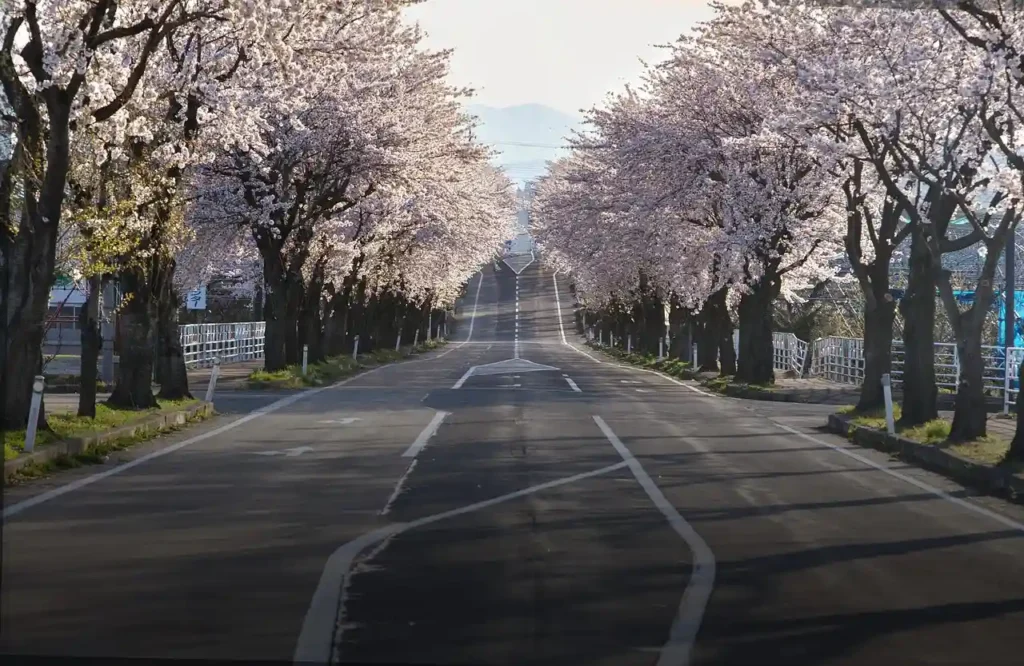
Japan has officially confirmed that a cherry blossom festival cancelled near Mount Fuji will not take place in 2026, marking a rare but telling moment in the country’s ongoing struggle with overtourism. The decision, taken by local authorities in Fujiyoshida city, reflects growing frustration among residents who say mass tourism has crossed the line from economic benefit to daily disruption.
The festival, held annually at Arakurayama Sengen Park, became globally famous for its postcard-perfect views of cherry blossoms framing Mount Fuji alongside the iconic Chureito Pagoda. However, that same popularity has now led to its undoing.
According to a statement issued by Fujiyoshida city authorities, the situation had reached a “crisis” level, with overcrowding, repeated instances of poor tourist behaviour, and growing risks to residents’ safety cited as the main reasons behind the cherry blossom festival cancelled decision.Source.
Why the Cherry Blossom Festival Was Cancelled
At its peak, the Mount Fuji cherry blossom festival attracted close to 200,000 visitors each spring. While tourism brought revenue and global attention, residents say the costs became impossible to ignore.
Local authorities listed several recurring problems:
- Severe traffic congestion on narrow residential roads
- Littering and sanitation issues, including a shortage of toilets
- Tourists entering private property for photos
- Safety concerns for children and elderly residents during peak crowds
As a result, officials concluded that the festival could no longer continue in its existing form. The cherry blossom festival cancelled announcement was framed not as an anti-tourism move, but as a step to “protect the dignity and daily lives of citizens.”
Importantly, this cancellation applies to the organized festival, not the cherry blossom season itself. The sakura trees will still bloom as usual, but there will be no official event programming, crowd infrastructure, or promotional push.
Overtourism and Japan’s Growing Dilemma
The cherry blossom festival cancelled near Mount Fuji is part of a broader national reckoning. Japan has seen record-breaking tourism numbers in recent years, driven by a weak yen, relaxed travel rules, and viral social media content showcasing scenic locations.
Similarly, Kyoto, Nara, Kamakura, and Mount Fuji have all faced mounting pressure from overtourism. As a result, authorities in some areas have introduced entry fees, restricted access to certain streets, and increased enforcement against illegal parking and trespassing.
However, this case stands out because of its symbolism. In Japan, cherry blossom festivals sit at the heart of cultural life, symbolising renewal, impermanence, and collective celebration. Therefore, by cancelling one, authorities send a clear signal that they no longer view overtourism as a minor inconvenience.
What This Means for Tourists in 2026
Despite the cherry blossom festival cancelled decision, tourists will still be able to visit the area during sakura season. However, visitors should expect:
- Less crowd management and fewer facilities
- Increased police or volunteer presence to control behaviour
- Stronger messaging around respectful tourism
- Possible new rules around parking, photography, and access routes
Travel experts are advising visitors to explore lesser-known hanami spots across Japan, rather than concentrating at viral locations near Mount Fuji.
A Shift Toward Sustainable Tourism
Local leaders in Fujiyoshida have hinted that the festival may return in a different format if sustainable solutions are found. These could include ticketing systems, visitor caps, shuttle-only access, or decentralized viewing areas.
For now, the cherry blossom festival cancelled decision highlights a global issue facing many tourist hotspots: how to balance economic gain with quality of life. Japan’s choice suggests that protecting residents may finally be taking precedence over unchecked visitor numbers.
FAQ
About the Author: GRV is a digital media writer who created Dumbfeed, a platform that simplifies complex global and political news into clear, engaging, and family-friendly formats. He delivers accurate, easy-to-understand explanations that help readers stay informed without the noise. When he’s not writing, GRV produces video content and short-form news updates for social media.