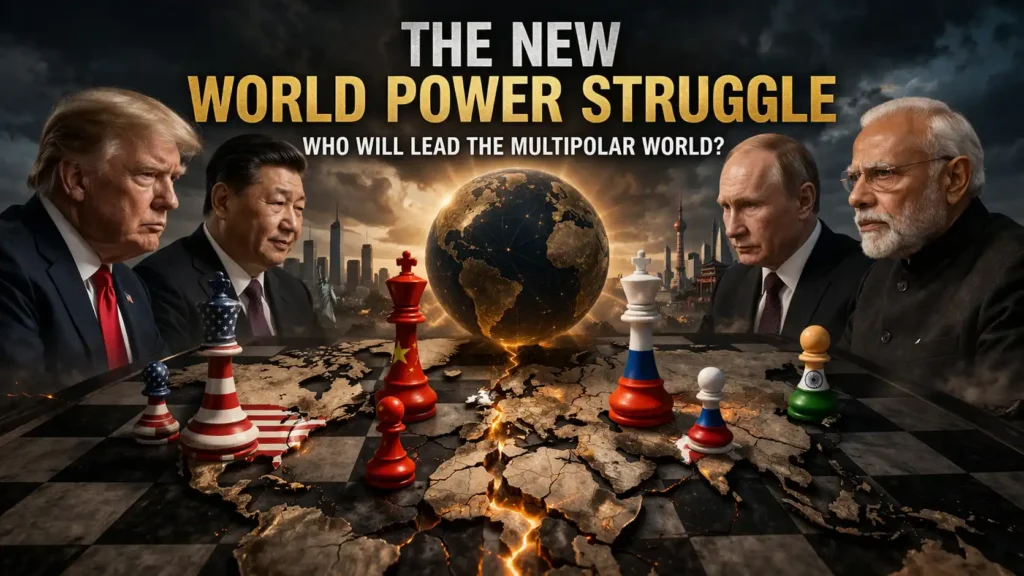
The multipolar world order is rapidly reshaping the global balance of power, marking one of the most significant geopolitical shifts since the Cold War. The era where one nation dictated the rules is fading—and what replaces it may be far less predictable. From Washington to Beijing and Moscow, leaders are making strategic choices that actively reshape the international system into a landscape where multiple powers compete, challenge each other, and continuously renegotiate influence..
Background: From Unipolar Dominance to Fragmentation
For nearly three decades after the Soviet Union collapsed in 1991, the United States stood as the undisputed global superpower. This “unipolar moment” allowed Washington to shape global institutions, enforce economic rules, and project military power with minimal resistance. But cracks began to appear.
China’s economic rise, Russia’s geopolitical assertiveness, and growing dissatisfaction among developing nations with Western-led systems have steadily eroded this dominance. Institutions like BRICS and regional alliances have started to challenge traditional power structures.
According to a recent analysis by the World Economic Forum, the global system is now entering a “fluid and fragmented” phase, where no single power can unilaterally dictate outcomes.
Current Developments: Power Centers Are Expanding
China’s Strategic Expansion
China is no longer just an economic powerhouse—it is actively shaping global governance. Through initiatives like the Belt and Road Initiative (BRI), Beijing is building infrastructure networks that translate into political influence across Asia, Africa, and Europe.
At the same time, China is pushing for alternatives to Western-dominated financial systems, promoting the yuan in international trade and strengthening alliances within BRICS.
Russia’s Assertive Positioning
Russia, despite economic sanctions, continues to wield significant geopolitical influence, particularly through energy diplomacy and military engagements. Its actions in Eastern Europe and strategic partnerships with countries like Iran and China signal a clear intent: challenge Western dominance wherever possible.
The United States: Still Powerful, But Contested
The United States remains the most powerful military and economic force, but rival powers increasingly challenge its global influence. Domestic polarization, shifting foreign policy priorities, and rising competition now make it harder for Washington to maintain its traditional leadership role.
The Rise of Middle Powers
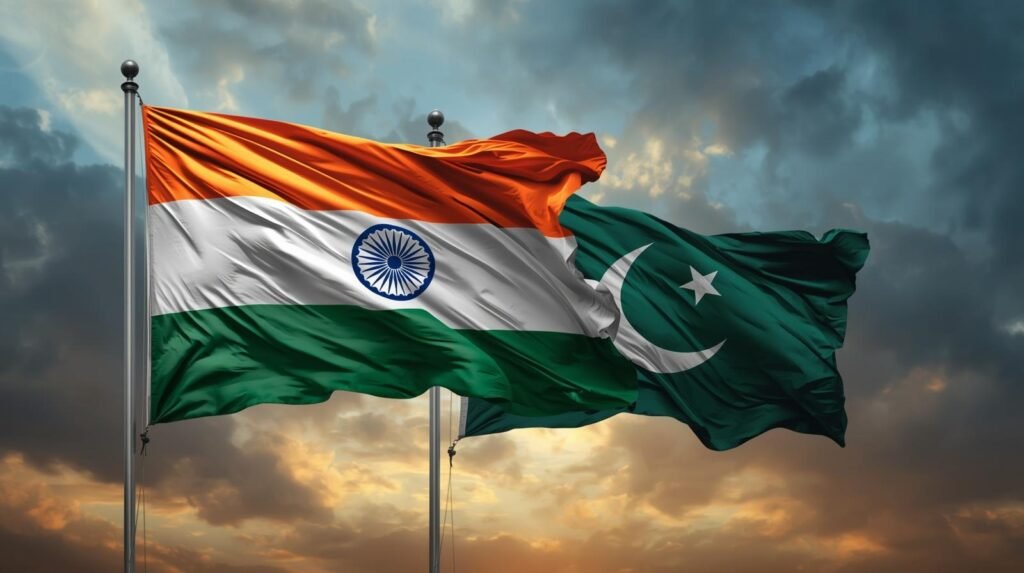
Countries like India, Turkey, Brazil, and Saudi Arabia are no longer passive players. They are leveraging their strategic positions to extract benefits from multiple sides, often refusing to align strictly with any single bloc.
This “multi-alignment” strategy is a defining feature of the emerging multipolar system.
Analysis: What Defines a Multipolar World Order?
A multipolar world order is not just about having multiple powerful countries—it is about distributed influence. Unlike the Cold War’s bipolar system, today’s world is far more complex:
- Power is spread across economic, military, and technological domains
- Alliances are flexible, not rigid
- Global institutions are increasingly contested
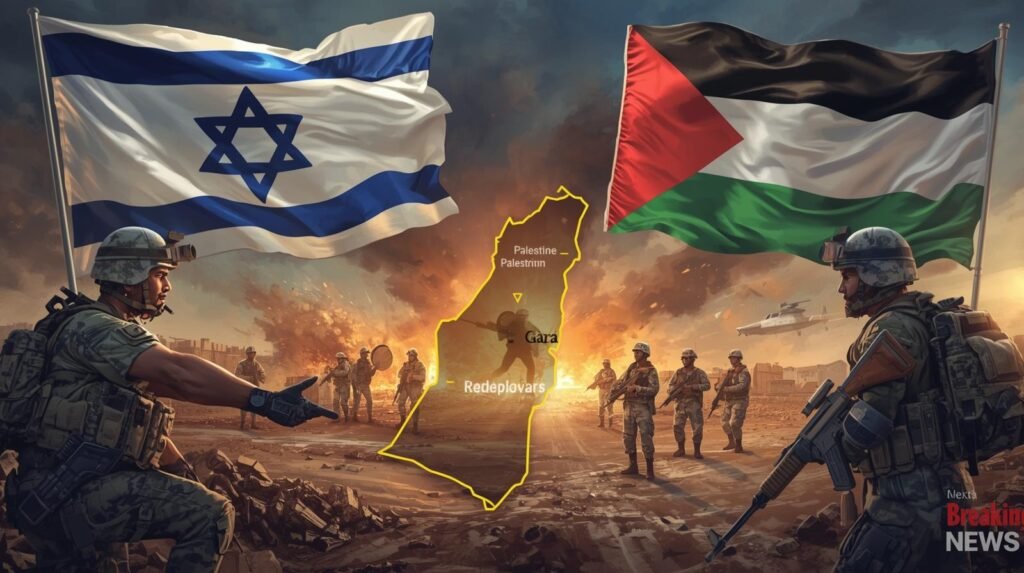
- Regional conflicts have global ripple effects
Leaders today are not just competing—they are redefining the rules of the game. For example:
- Trade wars are replacing traditional military confrontations
- Technology (AI, semiconductors) has become a new battlefield
- Energy supply chains are being weaponized
This creates a system where cooperation and conflict coexist simultaneously.
Global Implications: Stability or Chaos?
The rise of a multipolar world brings both opportunities and risks.
Potential Benefits
- More balanced distribution of power
- Greater representation for emerging economies
- Reduced dominance of any single ideology
Key Risks
- Increased geopolitical instability
- Difficulty in achieving global consensus (climate, trade, security)
- Higher chances of regional conflicts escalating
Without a clear leader, global crises—from economic downturns to security threats—could become harder to manage.
The Big Question: Who Leads Next?
The answer may be: no one—and everyone. Instead of a single dominant power, leadership in a multipolar world is likely to be issue-based:
- The US may lead in security alliances
- China in infrastructure and trade
- Europe in regulation and diplomacy
- Emerging nations in regional influence
This fragmented leadership model is unprecedented—and unpredictable.
Conclusion: A New Era Without Clear Rules
The world is entering a phase where power is no longer centralized but dispersed across multiple actors with competing interests. Today’s leaders are actively shaping the multipolar world order, which remains far from a finished system. The choices these powers make—whether to compete or cooperate—will determine if the world becomes more balanced or more chaotic. One thing is certain: the age of uncontested dominance is over.