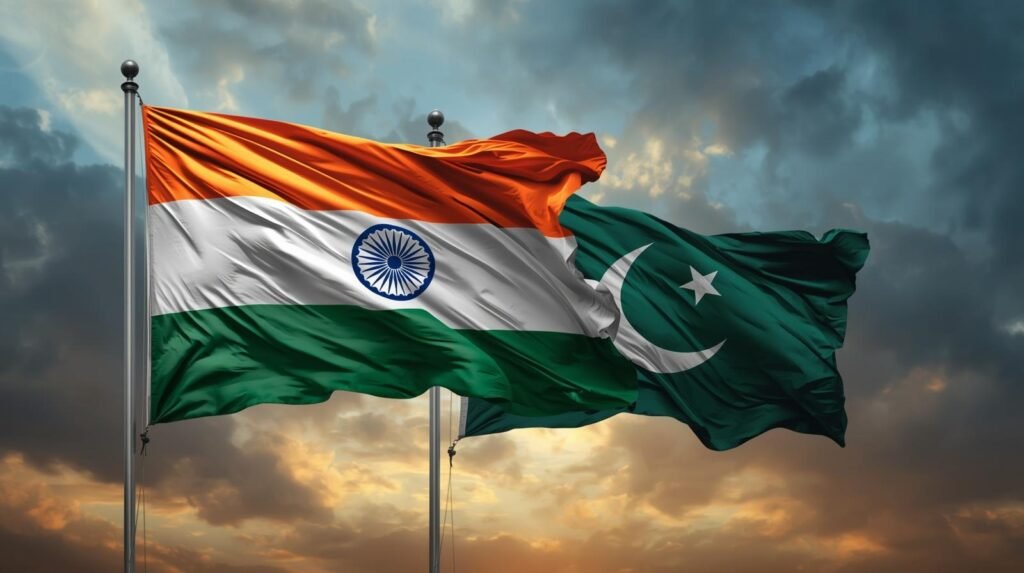
The India vs Pakistan cricket rivalry is one of the most watched sporting events in the world. Millions tune in for the excitement, the skill, and the drama on the field. But beyond the glitz and glamour, the match on September 14 raises a serious question: Do terror victims deserve more than just a game?
Indian leaders have long declared: no talks, no cricket with Pakistan until terrorism ends. This is not an arbitrary political stance — it is a commitment to the thousands of innocent lives lost in terror attacks backed by Pakistan and its intelligence agency, the ISI. Families of these victims still carry scars that never heal, yet the India vs Pakistan game went ahead, broadcast to millions, while their pain was sidelined.
A Historical Context of Boycotts
History shows that when politics demanded it, India and Pakistan were willing to sacrifice cricket:
- In 1986, India boycotted the Asia Cup in Sri Lanka, a decision rooted in political principles.
- In 1990, Pakistan returned the gesture, boycotting the Asia Cup hosted in India due to Kashmir tensions.
- The 1993 Asia Cup was entirely cancelled because political tensions between the two nations made it impossible to continue.
- After the 26/11 Mumbai attacks in 2008, India completely suspended all bilateral cricket with Pakistan — a strong statement of principle and respect for the victims.
These precedents show that cricket has historically been put aside when national security and moral principles were at stake.
The Problem With September 14
The match played on September 14 reignited concerns that commercial interests are overpowering moral responsibility. Broadcasters, sponsors, and media rights holders profit enormously from the India vs Pakistan rivalry, often at the cost of ignoring political realities and the emotional trauma of terror victims.
How can leaders forget their own words? How can they ignore the families who lost their loved ones — mothers, fathers, and children whose lives were shattered? No talk meant no talk. No cricket meant no cricket. Yet, the game went on.
Why This Matters
The India vs Pakistan cricket fixture is more than just a sporting contest — it’s a symbol of national pride, historical tension, and collective memory. Playing the match in the shadow of terror attacks sends a troubling message: that commercial gain can outweigh human lives.
National pride is not measured in runs or wickets. It is measured by the respect we show to those who paid the ultimate price. National pain is not something to be forgotten for a high TRP or sponsorship deal.
A Call to Reflection
If India could boycott cricket in 1986, 1990, and 1993, and suspend all bilateral matches after 26/11, why wasn’t a stand taken today? The families who lost their loved ones deserve more than words — they deserve action, principle, and remembrance.
The India vs Pakistan match on September 14 should serve as a reminder: national pride and human lives must always come before the game. Cricket is entertainment, but for those who suffered from terrorism, it is a matter of respect, justice, and memory.
Conclusion
The world will continue to watch the India vs Pakistan rivalry with excitement and passion. But every time the teams meet on the field, we must remember that the game should never overshadow the sacrifices of innocent lives. Leaders, boards, and fans alike must ensure that national pride and human life are never compromised for commercial gain.
National pride must stand above profit. National pain must never be forgotten.
Looking for more articles? Visit our Homepage for the latest news, insights, and updates across sports, culture, and more.