A Sudden Exit That Shook Washington
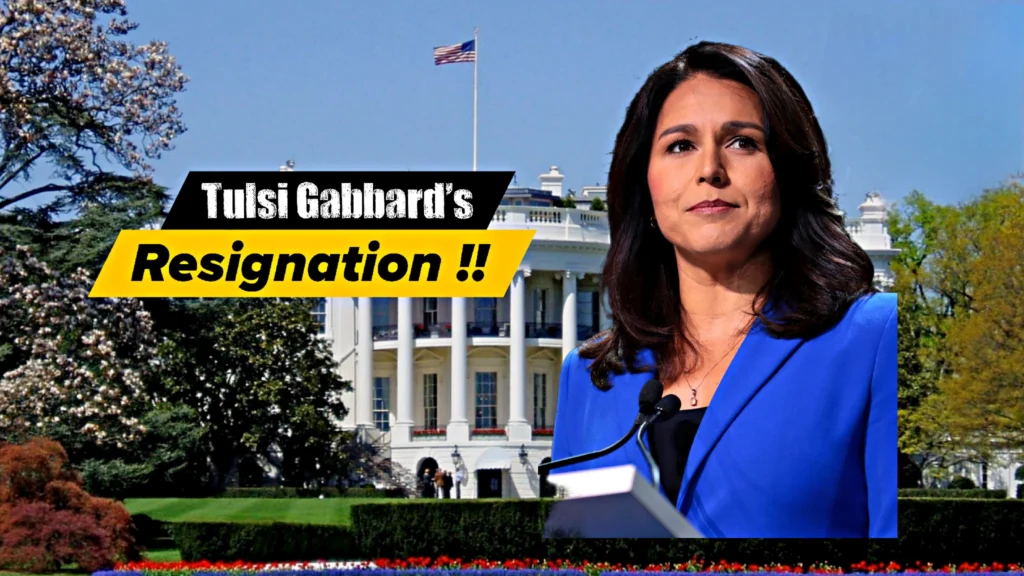
The Tulsi Gabbard Resignation from her role as Director of National Intelligence surprised Washington and triggered immediate geopolitical debate. Her departure came at a time when the United States faces growing tensions with China, Iran, and Russia. Therefore, the timing raised questions far beyond domestic politics.
Although Gabbard cited personal reasons for stepping down, many analysts believe the story may be more complicated. Reports of internal disagreements, intelligence disputes, and political isolation have fueled speculation about what truly happened inside the White House.
For updates on the resignation and reactions in Washington, readers can check Reuters’ coverage of the Tulsi Gabbard story.
Understanding the Tulsi Gabbard Resignation
Tulsi Gabbard officially announced her resignation in May 2026. She stated that her husband’s serious health condition was the primary reason behind her decision. According to her statement, family responsibilities became impossible to balance with the demands of leading America’s intelligence system. However, the resignation quickly became politically controversial. Several reports suggested that Gabbard had recently been excluded from major national security discussions. Some analysts also claimed she faced increasing resistance from senior officials within the administration.
The Director of National Intelligence position is one of the most powerful security roles in the United States. The office coordinates intelligence gathered by agencies including the CIA, NSA, and FBI. As a result, any sudden leadership change creates uncertainty across America’s security establishment. Gabbard’s exit also arrived during escalating geopolitical tensions worldwide. Consequently, foreign governments immediately began analyzing whether the resignation reflected deeper instability inside Washington.
Why Her Time as DNI Became So Controversial
Conflict With Intelligence Establishment
Gabbard entered office with a reputation as a political outsider. Before becoming DNI, she had already developed a polarizing image in American politics. Critics viewed her as unpredictable, while supporters praised her willingness to challenge traditional power structures. Once in office, she pushed aggressive reforms inside intelligence agencies. She argued that intelligence organizations had become too bureaucratic and politically influenced. Because of this, she supported greater transparency and declassification efforts.
However, her critics accused her of politicizing intelligence operations herself. Opponents argued that sensitive national security decisions should remain separate from partisan battles. Tensions reportedly increased after several controversial investigations and security clearance disputes. As a result, her relationship with parts of the intelligence community became increasingly strained.
Growing White House Friction
Reports also suggested that internal divisions inside the administration worsened during her final months. Some media outlets claimed Gabbard disagreed with officials over policies involving Iran and Venezuela. In addition, there were allegations that she had been sidelined from strategic discussions. Although no official confirmation fully supports those claims, the reports strengthened speculation that political pressure contributed to her resignation.
Supporters of Gabbard believe she became isolated because she challenged entrenched interests. Meanwhile, critics argue her management style created instability inside intelligence agencies. Therefore, the resignation quickly became larger than a personal decision. It evolved into a debate about the future direction of America’s intelligence system.
Public Reaction to the Tulsi Gabbard Resignation
The public response has been deeply divided. Conservative commentators described Gabbard as a reformer who attempted to expose institutional dysfunction. Many supporters praised her willingness to confront what they describe as an unaccountable intelligence bureaucracy. On the other hand, critics argued that her leadership weakened confidence in intelligence neutrality. Several Democratic figures accused her of bringing excessive politics into national security matters.
Social media reactions reflected this divide. Some users framed her resignation as evidence of political infighting inside Washington. Others viewed her departure as an inevitable result of controversial leadership decisions. International observers also reacted strongly. Foreign policy analysts in Europe and Asia questioned whether the resignation signaled deeper instability inside the Trump administration’s national security apparatus.
Geopolitical Implications of the Tulsi Gabbard Resignation
Intelligence Stability During Global Crises
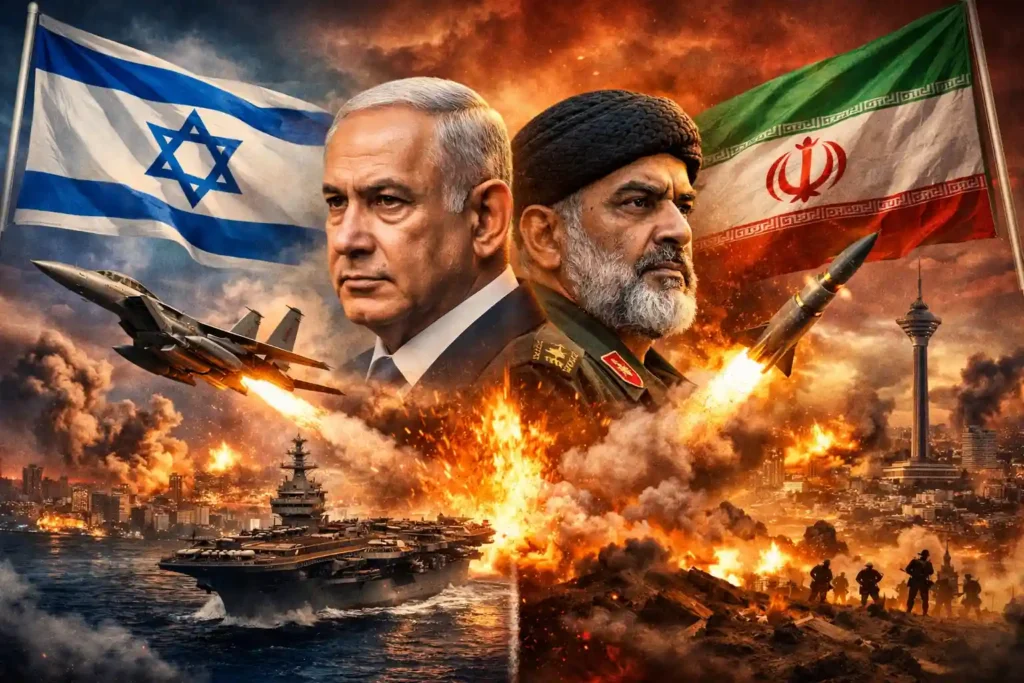
The resignation matters globally because the DNI plays a central role in coordinating America’s response to international threats. Leadership changes can affect intelligence priorities, diplomatic communication, and military planning. At present, the United States faces several major geopolitical flashpoints:
- Rising tensions in the Taiwan Strait
- Continued confrontation with Iran
- Strategic competition with China
- Cybersecurity threats linked to Russia
- Ongoing instability in the Middle East
Because of these challenges, allies closely monitor leadership continuity within American intelligence agencies.
Impact on US Foreign Policy
The Tulsi Gabbard Resignation may also reshape internal power dynamics in Washington. Some analysts believe the CIA and Pentagon could now gain greater influence over strategic decisions. If true, this shift might affect future American policy toward China, Iran, and Ukraine. Intelligence leadership often shapes how threats are interpreted by political leaders. Therefore, changes inside the DNI office can influence broader foreign policy strategies. Furthermore, adversarial nations may view the resignation as a sign of internal division. Even symbolic instability can encourage rivals to test diplomatic or military boundaries.
Concerns Among US Allies
America’s allies depend heavily on intelligence coordination with Washington. NATO members, Indo-Pacific partners, and Middle Eastern allies all rely on intelligence-sharing systems connected to the DNI office. Consequently, sudden leadership changes can create uncertainty. Allies may question whether strategic priorities are shifting behind closed doors. Although intelligence institutions remain operational, perception matters in geopolitics. Political turbulence often affects international confidence, even when systems continue functioning normally.
Was the Resignation Truly Personal?
This remains the biggest unanswered question. Officially, Gabbard maintained that her husband’s illness drove the decision. Family health emergencies can certainly force major career changes. Many observers acknowledge that explanation as both legitimate and understandable. Nevertheless, speculation continues because of the political context surrounding her departure. Reports about internal disagreements and exclusion from decision-making intensified public skepticism.
At this stage, no confirmed evidence proves she was forced out by senior authorities. However, the combination of personal circumstances and political tension created an environment where resignation may have become increasingly likely. Therefore, analysts continue debating whether the resignation reflected personal necessity, institutional conflict, or both.
What Happens Next?
The administration quickly moved to stabilize the situation by appointing an acting intelligence chief. Still, replacing a DNI during global instability is never politically simple. The next appointment will likely reveal the administration’s future intelligence priorities. A more traditional intelligence figure could signal a return to establishment-style leadership. Conversely, another outsider appointment may indicate continued efforts to reform intelligence agencies. Either way, the Tulsi Gabbard Resignation has already become more than a personnel change. It now represents a broader debate about transparency, political influence, and the future of American intelligence leadership.
Conclusion
The resignation of Tulsi Gabbard created shockwaves across both Washington and the international community. While her official explanation focused on family concerns, the political environment surrounding her departure added layers of controversy and speculation. Her tenure exposed deep divisions regarding intelligence reform, political influence, and national security management. Consequently, her exit may continue shaping debates inside the United States for months ahead. More importantly, the event highlights how intelligence leadership changes can carry global consequences. At a time of increasing geopolitical instability, even internal American political shifts attract worldwide attention.
By Sahil Koul | Geopolitical Analyst