A Political Session That Changed Westminster
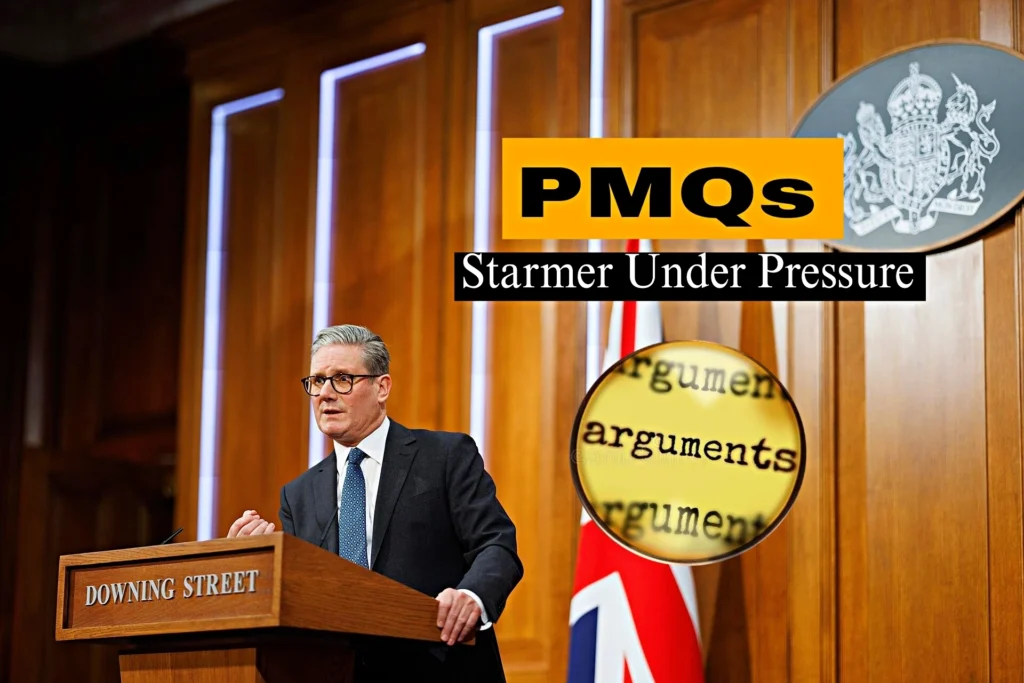
The latest UK PMO cross-question session was supposed to calm growing political tensions inside Westminster. Instead, it exposed deeper fractures inside the Labour Party and triggered one of the most serious leadership challenges facing Prime Minister Keir Starmer. What began as a routine political confrontation quickly evolved into a national debate about authority, party unity, and Britain’s direction at home and abroad.
The controversy intensified after reports linked growing internal dissatisfaction to the resignation pressure surrounding senior Labour figure Wes Streeting. Political observers now argue that the session revealed more than disagreement. It revealed a leadership structure struggling to maintain discipline during a period of economic uncertainty and geopolitical instability.
For latest developments surrounding the UK PMQs session and Labour Party tensions, follow ongoing political updates from Sky News UK politics coverage.
Background Behind the UK PMO Cross-Question
The political storm emerged during a highly scrutinized PMO cross-question session involving senior ministers, opposition figures, and Labour leadership representatives. The session focused on several sensitive issues that had already created tensions within the ruling structure.
Economic management became one of the central concerns. Critics questioned the government’s handling of inflation, public spending, and worsening cost-of-living pressures across Britain. At the same time, healthcare reforms and NHS funding sparked fierce disagreements among Labour lawmakers. Immigration policy also dominated the debate. Several Labour MPs reportedly feared that shifting political messaging could alienate progressive voters. Others argued that stronger border policies were necessary to counter growing public frustration. Foreign policy disagreements added another layer of tension. Questions surrounding Britain’s role in NATO, military commitments in Europe, and diplomatic positioning on Middle East conflicts exposed ideological divisions within the party.
However, the biggest shock came from the controversy surrounding Wes Streeting. His reported frustration with internal decision-making created speculation about broader dissatisfaction among senior Labour figures. Although political resignations are not uncommon in Westminster, Streeting’s situation carried symbolic weight because he represented a major voice inside Labour’s modern leadership structure.
Why Wes Streeting’s Position Became So Controversial
Wes Streeting’s political standing became a focal point because many party members viewed him as an important bridge between Labour’s centrist and reformist factions. Therefore, any sign of conflict involving him immediately raised concerns about internal stability. During and after the UK PMO cross-question session, reports suggested disagreements over healthcare reform strategies and fiscal priorities. Critics inside Labour accused senior leadership of failing to consult influential party figures before major policy announcements. The controversy quickly expanded beyond domestic politics. International observers began questioning whether Britain’s political leadership could maintain consistency on foreign policy while internal divisions continued growing.
Streeting’s situation also became controversial because it fueled speculation about Keir Starmer’s leadership style. Some MPs reportedly believed decision-making had become increasingly centralized inside the PMO. Others feared growing communication failures between party leadership and parliamentary members. As media coverage intensified, public reactions became increasingly polarized. Supporters of Starmer defended the leadership as necessary during unstable geopolitical conditions. Meanwhile, critics argued that the government appeared disconnected from voter concerns.
Public Reaction Across the United Kingdom
Public reaction to the UK PMO cross-question controversy has been intense and divided. Social media platforms quickly filled with criticism, political commentary, and debates over Labour’s future direction. Many voters expressed frustration about political instability at a time when economic pressures remain severe. Energy prices, housing costs, and healthcare waiting lists continue affecting millions of British households. Therefore, visible internal conflict inside the ruling party amplified public anxiety. Polling discussions inside British political circles also suggested growing concerns about leadership credibility. While Labour still retains significant support, critics argue that repeated internal disagreements weaken public confidence.
Younger voters appeared especially critical regarding immigration and foreign policy debates. Progressive supporters questioned whether Labour was abandoning earlier commitments on humanitarian policies and social reform. At the same time, moderate voters worried about economic uncertainty and government cohesion. This divided reaction demonstrates a broader political challenge facing Britain. The country remains deeply fragmented after years of Brexit tensions, economic instability, and global security pressures.
The Policies That Deepened the Crisis
Several domestic and international policies significantly intensified tensions during the UK PMO cross-question session. Healthcare reform became one of the most divisive topics, as Labour leaders faced criticism over NHS funding priorities, privatization fears, and worsening hospital staffing shortages. Economic management also triggered fierce debate. Questions surrounding taxation, inflation, and public spending exposed disagreements within the party, while some lawmakers argued that the government lacked a clear strategy during ongoing financial pressures.
Immigration and border security added further strain, with progressive and centrist Labour factions openly disagreeing on policy direction and political messaging. International issues deepened the crisis even more. Britain’s NATO commitments and defense spending obligations in Europe became politically sensitive amid rising regional security concerns. The government also faced scrutiny over its diplomatic approach toward Middle East conflicts and humanitarian issues. Meanwhile, Labour’s trade strategy involving European partnerships and foreign investment created additional divisions inside the party leadership and parliamentary ranks.
Why Keir Starmer Appears to Be Losing Control
The UK PMO cross-question controversy intensified perceptions that Keir Starmer may be losing control over parts of his political party. Several factors contributed to this growing narrative. First, Labour contains multiple ideological factions with competing priorities. Managing progressive activists, centrist reformers, and economic pragmatists has become increasingly difficult.
Second, external geopolitical pressures are forcing Britain into difficult policy decisions. Defense spending, trade negotiations, and diplomatic alliances all require political unity. Yet the current environment appears increasingly fragmented.
Third, leadership expectations remain extremely high. Starmer initially built his image around stability and disciplined governance. Therefore, public displays of internal conflict damage that political reputation more severely. Political analysts also note that modern British politics has become increasingly volatile. Public patience for internal party disputes remains limited during economic hardship.
Geopolitical Implications Beyond Britain
The political impact of the UK PMO cross-question extends beyond Westminster. International allies closely monitor Britain’s political stability because the country remains a major NATO member and diplomatic power. European governments may become cautious if domestic instability weakens Britain’s policy consistency. Investors could also react negatively if political uncertainty begins affecting economic planning.
Additionally, Britain’s diplomatic influence may weaken during sensitive international negotiations. Foreign governments often prefer stable political leadership when discussing defense cooperation, sanctions, and trade agreements. The controversy also arrives during a broader period of global political fragmentation. Across Europe and North America, governments are facing rising populism, economic anxiety, and polarization. Therefore, instability inside Labour reflects wider democratic pressures affecting many Western political systems.
Could This Crisis Reshape British Politics?
The long-term consequences remain uncertain. However, the UK PMO cross-question controversy could reshape Labour’s political future before the next election cycle. If internal divisions continue growing, opposition parties may attempt to capitalize on public frustration. At the same time, Labour leadership may push for stricter party discipline to restore stability.
Much depends on whether Keir Starmer can rebuild trust among senior party figures while maintaining public confidence. Political recoveries are possible in Westminster. Yet prolonged leadership disputes often leave lasting damage. The coming months will likely determine whether this controversy becomes a temporary political setback or the beginning of a deeper transformation inside British politics.
By Sahil Koul | Geopolitical Analyst