Middle East Casualty Controversy Is Reshaping the Conflict
War is no longer fought only with missiles and fighter jets. Increasingly, it is also fought with numbers, narratives, and public perception. That reality is becoming clear in the Middle East casualty controversy, where official military figures are now being questioned as intensely as the strikes themselves.
While explosions have dominated headlines, another battle has quietly emerged. The conflict has sparked a wider debate over casualty reporting, after some media outlets, commentators, and Iranian state-affiliated narratives questioned whether the official U.S. figures fully reflect the human cost of the war. The Pentagon has denied any concealment, and no independent investigation has verified claims of a substantially higher hidden death toll.
Meanwhile, Washington insists its figures are accurate and transparent. As a result, the debate has expanded beyond the battlefield into an international contest over credibility, information, and influence.
How Did the Current Middle East Casualty Controversy Begin?
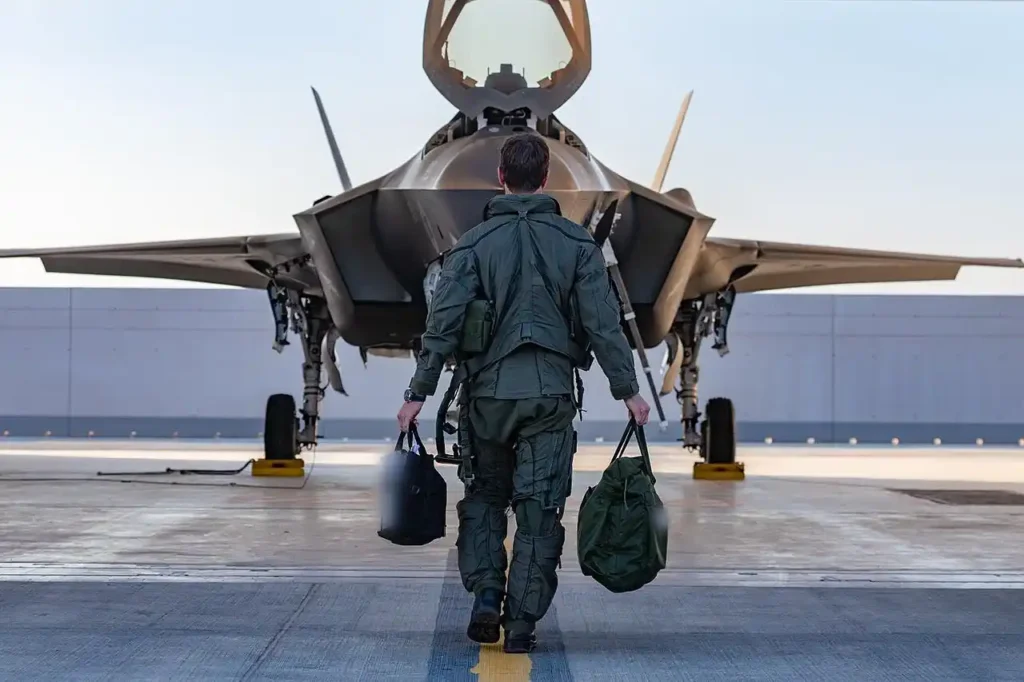
The latest Israel–Iran conflict emerged after months of rising regional tensions. Israel accused Iran of expanding its missile and nuclear capabilities, while the United States blamed Iran and its allied groups for attacks on American forces across the Middle East. In response, the US and Israel carried out strikes on Iranian military and strategic facilities, arguing they were necessary to prevent future threats. Iran condemned the operation as an act of aggression and retaliated with missile and drone attacks on Israeli territory and US military bases. As military exchanges intensified, the conflict expanded beyond the battlefield, triggering disputes over casualty figures, competing narratives, and claims of hidden military losses.
What Triggered the Middle East Casualty Controversy?
The latest confrontation between Iran and the United States did not begin with a single attack. Instead, it evolved through months of military escalation, proxy operations, and retaliatory strikes across the Middle East. American forces maintain military bases in Iraq, Syria, Jordan, Kuwait, Bahrain, Qatar, and other regional locations. These installations support counterterrorism operations, protect shipping routes, and reassure regional allies.
However, they have also become attractive targets for Iranian-backed armed groups and, more recently, direct Iranian military operations. As both countries exchanged strikes, casualty figures became almost as significant as battlefield victories. Every official announcement carried political weight. Consequently, governments began competing not only over military success but also over public perception.
Official Casualties Versus Iran’s Allegations
The casualty debate lies at the heart of today’s information battle. As per the reports, 18 American service members have been confirmed killed during the recent conflict. In addition, more than 430 personnel have been injured, many suffering blast injuries, burns, fractures, or traumatic brain injuries.
The confirmed fatalities were reported across several incidents in the Middle East:
| Location | Confirmed Deaths | Nature of Incident |
| Port Shuaiba, Kuwait | 6 | Killed in an Iranian drone attack on a U.S. military facility. |
| Prince Sultan Air Base, Saudi Arabia | 2 | One Marine died in a non-hostile incident, while another soldier later died from injuries sustained in an Iranian attack. |
| Western Iraq | 6 | Airmen were killed when a KC-135 refuelling aircraft crashed during military operations. The Pentagon said the crash was not caused by hostile fire. |
| Arabian Sea | 1 | A Navy service member was killed in an MH-60S helicopter crash during operations. |
| Jordan (Muwaffaq Salti Air Base) | 3 | Service members were killed in an Iranian ballistic missile and drone attack. One soldier was initially listed as missing before being confirmed dead. |
| Total Confirmed U.S. Military Deaths | 18 | Pentagon-confirmed total during the conflict. |
The casualty figures have also become part of a wider information battle. While the United States maintains that its official casualty updates are accurate, competing narratives have emerged over the true human cost of the conflict. However, no independently verified evidence has confirmed claims that the United States concealed a substantially higher military death toll. As a result, casualty reporting has become another arena of geopolitical competition, where information and public perception are as important as events on the battlefield.
Why Casualty Numbers Matter More Than Ever
Modern warfare extends far beyond physical destruction. Today, governments compete to influence public opinion just as aggressively as they target military infrastructure. Lower reported casualties may project military effectiveness and political stability. Conversely, higher enemy casualty estimates may demonstrate strategic success while weakening an opponent’s domestic confidence.
Therefore, casualty figures have become powerful psychological tools. Military analysts describe this as information warfare, where controlling public perception becomes nearly as important as controlling territory. This explains why casualty announcements receive enormous international attention despite representing only one aspect of a much larger conflict.
The Middle East Casualty Controversy Reflects a Wider Information War
Iran’s allegations highlight a broader trend visible in many modern conflicts. Governments increasingly release carefully selected information while limiting operational details. Meanwhile, social media accelerates the spread of unofficial claims, leaked videos, anonymous sources, and satellite imagery. Consequently, verifying battlefield information has become increasingly difficult.
Independent organisations often require several days before confirming military losses. During that period, competing narratives frequently dominate online discussions. This environment benefits both governments and non-state actors seeking to shape international opinion before verified information becomes available. As a result, the battlefield now includes journalists, intelligence analysts, satellite companies, and open-source investigators.
Geopolitical Implications of the Middle East Casualty Controversy
The controversy extends well beyond the United States and Iran. Regional allies carefully monitor casualty trends because they influence future military planning. Israel, Gulf states, Iraq, and Jordan all depend upon continued American security commitments. Therefore, perceptions of American military resilience carry strategic importance.
At the same time, Russia and China observe how Washington manages both military operations and public communication. If governments successfully shape casualty narratives, future conflicts may involve even greater emphasis on information control. Furthermore, adversaries could increasingly target public confidence instead of seeking conventional military victories. This evolution represents a significant shift in modern geopolitical competition.
Possible Global Consequences
If casualty disputes continue growing, several consequences could emerge.
Declining Public Trust:
Public confidence in official wartime reporting could continue to weaken as competing casualty claims emerge.
Rise in Misinformation:
False or misleading narratives may become more sophisticated and spread faster across digital platforms.
Challenges for Independent Media:
International news organisations could find it increasingly difficult to verify battlefield events before competing narratives gain traction.
Greater Focus on Strategic Communication:
Governments may invest more in information campaigns and strategic messaging alongside traditional military capabilities.
Expansion of Information Warfare:
Future geopolitical conflicts may increasingly feature battles over public perception, making information warfare a permanent element of modern warfare.
Conclusion
The Middle East casualty controversy demonstrates that today’s conflicts extend far beyond missiles and military bases. Iran’s allegations regarding hidden American casualties remain unverified. Nevertheless, the claims have already influenced international debate. Meanwhile, officially confirmed casualties continue receiving independent verification through established news organisations. However, information now travels faster than verification itself.
That reality makes narratives increasingly influential during wartime. Ultimately, the struggle over casualty figures reflects something much larger than military statistics. It illustrates how credibility, transparency, and public trust have become central elements of twenty-first-century warfare. In modern conflicts, the battle for information may ultimately prove as consequential as the fighting on the ground.
FAQ
Author
I’m Gurmeet, a writer with over 1 years of writing experience. I have a deep interest in geopolitics, international affairs, and current events, and I enjoy exploring the stories and decisions that shape our world. Thank you for reading my work—I hope you find it informative and engaging.