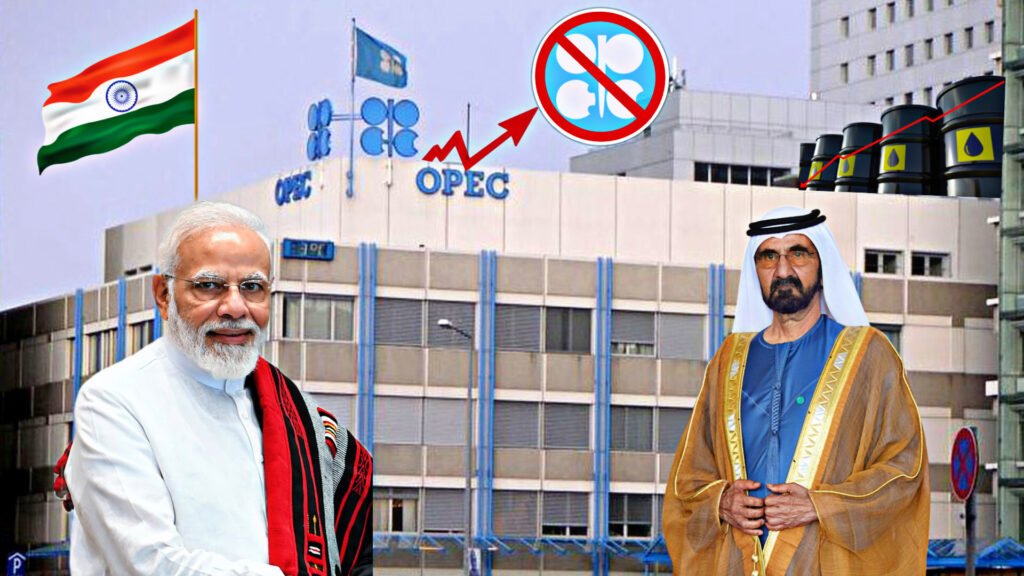
Introduction: A Move That Could Redraw Energy Maps
What happens when one of the world’s key oil producers decides to break ranks with one of the most powerful energy alliances? The UAE OPEC exit scenario, paired with the promise of unlimited oil supply to India, could do more than shake markets. It may redefine global energy geopolitics. At a time when oil prices remain sensitive to geopolitical shocks, this move signals a potential shift from coordinated supply control to aggressive market competition.
Background: OPEC’s Grip on Global Oil
For decades, the Organization of the Petroleum Exporting Countries (OPEC) has played a central role in regulating global oil supply. By coordinating production levels among member states, the group has aimed to stabilize prices and maintain influence over global markets. The United Arab Emirates has long been a key OPEC member, balancing its production ambitions with the group’s collective quotas. However, tensions have occasionally surfaced, particularly when countries sought to increase output beyond agreed limits.
For deeper insights, you can refer to OPEC’s production dynamics
Current Developments: Why the UAE Might Exit
The idea of a UAE OPEC exit stems from several strategic considerations:
Production Freedom
OPEC quotas often limit how much oil member states can produce. For a country like the UAE, with expanding production capacity, these limits can constrain economic potential.
Market Share Ambitions
By stepping outside OPEC, the UAE could pursue a more aggressive pricing strategy, increasing exports and capturing a larger share of global markets.
Strategic Partnership with India
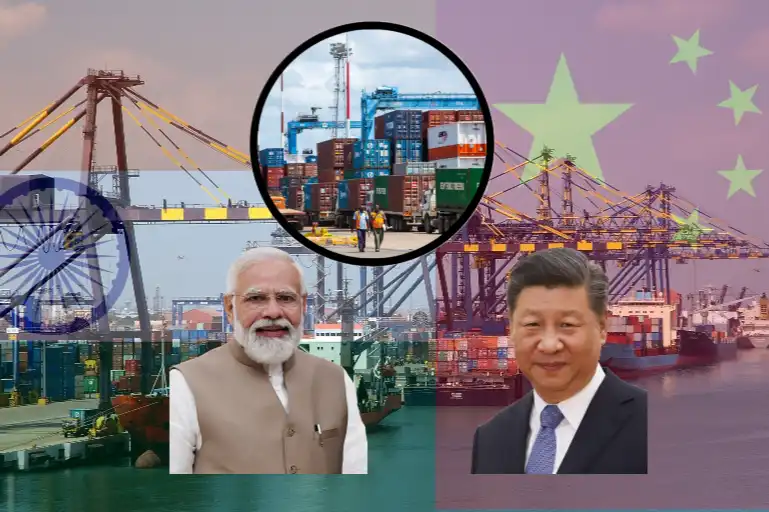
India, one of the world’s largest oil importers, represents a stable and growing demand base. Offering “unlimited supply” could deepen economic ties and secure long-term buyers.
Diversification Strategy
The UAE is simultaneously investing in renewable energy and non-oil sectors. Ironically, maximizing oil revenues in the short term could help fund this transition.
How It Could Benefit India
India could emerge as the primary beneficiary of a potential UAE OPEC exit, especially if Abu Dhabi prioritizes long-term supply partnerships.
First, India is uniquely positioned to receive maximum oil supply due to its scale and strategic alignment. As the world’s third-largest oil importer, India offers consistent, high-volume demand, something the UAE values in a competitive market. Unlike smaller buyers, India can absorb large supplies without destabilizing domestic markets. Additionally, strong bilateral ties, including investments, trade agreements, and diaspora connections, make India a reliable long-term partner compared to more politically volatile regions.
Second, transport logistics could give India an added advantage. The UAE has already invested in infrastructure like the Abu Dhabi Crude Oil Pipeline, which bypasses the Strait of Hormuz, a chokepoint vulnerable to geopolitical tensions. Oil transported through this pipeline reaches the Fujairah port on the Gulf of Oman, allowing shipments to India without passing through the Strait. This combination of demand strength and secure supply routes positions India as a top strategic partner in the UAE’s evolving oil strategy.
Geopolitical Implications: A Challenge to OPEC Unity
A UAE OPEC exit would not occur in isolation, it would ripple through global alliances.
Pressure on OPEC
If a major producer exits, it could weaken OPEC’s ability to control supply. Other members might reconsider their commitments, especially if they feel constrained by quotas.
Shift in Power Dynamics
Countries outside OPEC could gain influence, while traditional leaders within the group may struggle to maintain cohesion.
Regional Tensions
The Middle East’s energy politics are deeply interconnected. A unilateral move by the UAE could create friction with key players like Saudi Arabia, which has historically led OPEC’s policy direction.
Global Economic Impact: Winners and Losers
Oil Prices Under Pressure
An increase in supply typically pushes prices downward. While this benefits importing nations, it can strain the budgets of oil-dependent economies.
Inflation and Growth
Lower energy costs could ease inflation globally, offering relief to economies still recovering from recent shocks.
Market Volatility
However, sudden shifts in supply dynamics could create uncertainty, leading to short-term volatility in oil markets.
Reactions from Other Nations
Oil Importers
Countries like India and China may welcome increased supply and competitive pricing.
OPEC Members
Some members could view the move as destabilizing, potentially leading to internal disagreements or policy shifts.
Western Economies
Lower oil prices may be seen as beneficial, but geopolitical instability in energy markets remains a concern.
Risks for the UAE
While the move offers opportunities, it also carries risks:
- Price Wars: Competing aggressively could trigger a race to the bottom, reducing revenues.
- Diplomatic Strain: Relations with OPEC members could be affected.
- Market Dependence: Over-reliance on a few large buyers may create long-term vulnerabilities.
Is This the Beginning of a New Oil Order?
The UAE OPEC exit could signal a broader shift toward fragmented energy markets. Instead of coordinated supply management, the future may involve:
- Bilateral energy agreements
- Competitive pricing strategies
- Increased role of emerging economies
This transition could redefine how oil markets function in the coming decades.
Conclusion: Strategic Shift or Calculated Risk?
The idea of the UAE leaving OPEC and offering unlimited oil to India is more than a headline, it’s a potential turning point. While it promises economic benefits for importers and strategic gains for the UAE, it also introduces uncertainty into an already complex global system. Whether this move strengthens the UAE’s position or destabilizes established alliances will depend on how other nations respond, and how markets adapt. In geopolitics, bold decisions often reshape the landscape. The question is not just whether this will happen, but what comes next if it does.
By Sahil Koul | Geopolitical Analyst