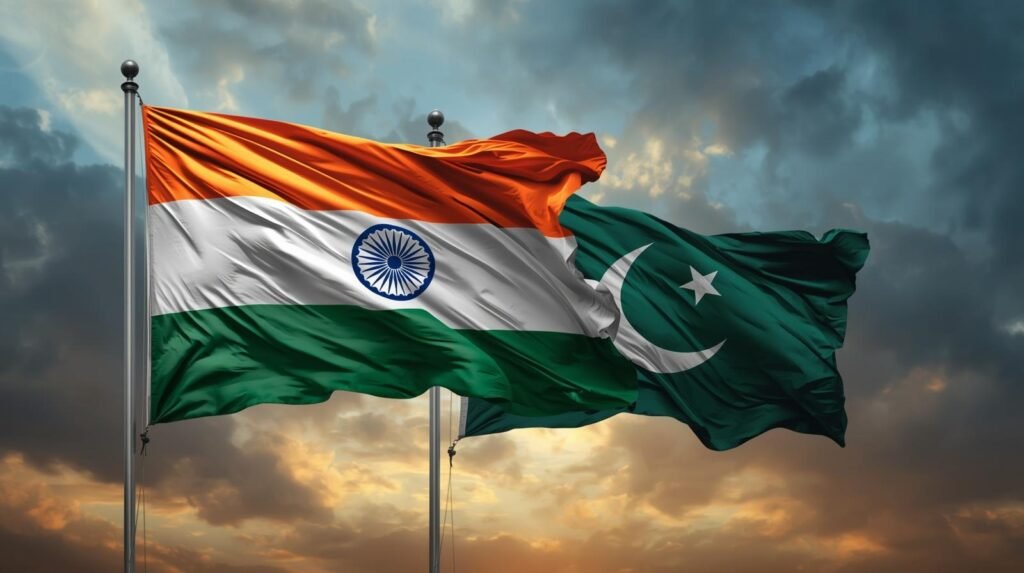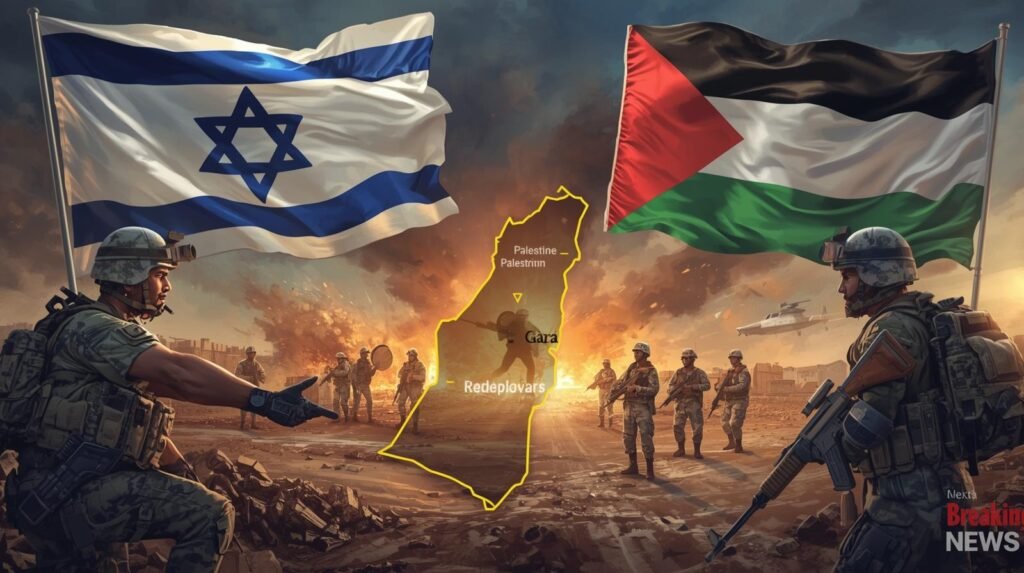

India’s political and security leadership has sharply raised its alert level in mid-October 2025 after a sequence of developments that combine kinetic cross-border strikes, public nuclear rhetoric from Pakistan’s army chief, and renewed high-level diplomatic signals between Pakistan and the United States. The term Nuclear Warning has reappeared in policy conversations — not because a new weapon has been fielded, but because political rhetoric, battlefield actions, and shifting alliances have together raised the prospect of escalation and economic fallout.
What just happened — the short version
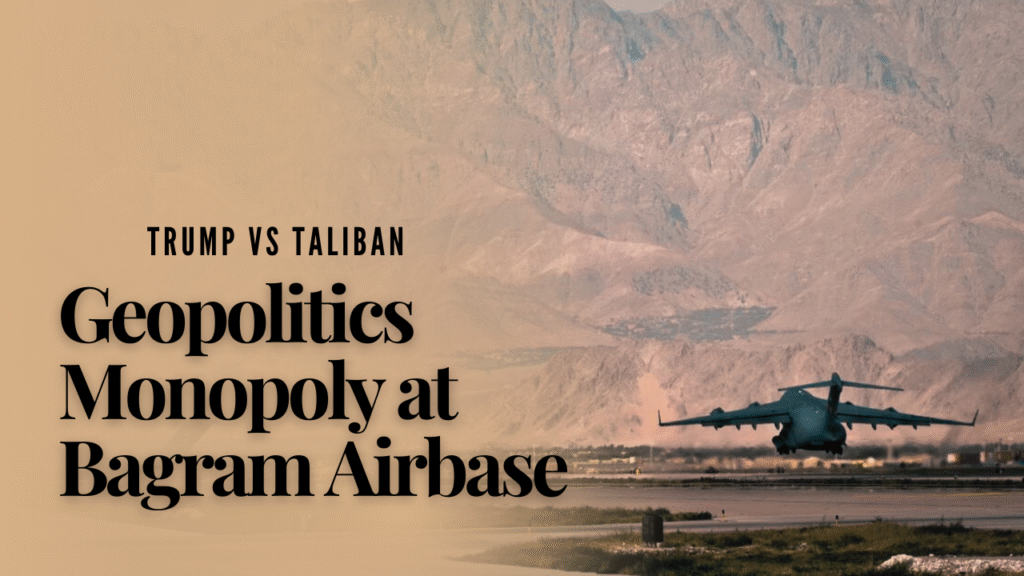
- Pakistani forces carried out airstrikes inside eastern Afghanistan (Paktika and other provinces), which Afghan authorities say killed civilians, including three Afghan cricketers — a flashpoint that prompted the Afghanistan Cricket Board to withdraw from a Pakistan-hosted tournament. Those strikes triggered international condemnation and emergency talks.
- Pakistan Army Chief General Asim Munir issued public warnings about India’s “geographical immunity” being vulnerable and spoke in extremely stark terms about the consequences of conflict in a nuclearized environment — language many analysts described as a Nuclear Warning in rhetoric if not in immediate capability change.
- Meanwhile, overt signs of warmer Pakistan–US ties — including remarks by US President Donald Trump praising Pakistan’s army chief during a summit — have been reported and interpreted by some analysts as political backing that may embolden Islamabad’s posture.
Why leaders in New Delhi are anxious
- Rhetoric + action multiplies risk. Public nuclear-tinged rhetoric from a senior military leader combined with cross-border kinetic operations elevates the risk of miscalculation. Even if the “Nuclear Warning” is mostly political signaling, it changes how crises are managed on both sides.
- Civilian casualties alter the political equation. The deaths of civilians — including reportedly three cricketers returning from a match — have inflamed public opinion and created broader regional fallout (sport withdrawals, international condemnations), which hardens political stances and reduces room for quiet diplomacy.
- Economic-security hybrid threats. The new line from Islamabad about targeting India’s economic interests — from investor confidence to maritime commerce — signals a widening of tactics beyond conventional military options. Indian policymakers must therefore think beyond troop deployments to protecting supply chains, ports, and investor sentiment. (Pakistan’s leadership has framed economic pressure as a strategic lever.)
- External alignments matter. High-visibility gestures — such as the US president publicly lauding Pakistan’s army chief and reports that Saudi Arabia is negotiating a broader defense relationship with the US — complicate regional calculations. If Islamabad believes it has stronger external political cover, that perception can harden its posture.
How the situation is evolving (latest updates)
- Ceasefire/Truce Efforts: Qatar-mediated talks and a temporary ceasefire were reported as of Oct 18–19, 2025, after heavy exchanges; negotiations were ongoing to stabilize the border and de-escalate immediate violence. This reduces immediate kinetic risk but does not erase the political drivers behind the statements.
- Sports & Diplomacy Fallout: Afghanistan withdrew from a Pakistan T20 tri-series scheduled for November 2025 in response to the airstrike deaths, showing how violence spills over into non-military arenas and increases reputational costs.
- Global diplomatic shifts: Reporting that Saudi Arabia is in talks for a US defense pact (FT reporting) — and coverage that the U.S. president publicly praised Pakistan’s military leadership — points to a changing external environment that South Asian policymakers must factor into crisis planning.
Strategic implications for India
- Deterrence posture must be credible and calibrated. India’s military planners will emphasize both conventional readiness and nuclear deterrence stability. Rhetoric of “Nuclear Warning” requires careful signals to avoid inadvertent escalation while reinforcing red lines.
- Economic resilience & investor confidence. Given Islamabad’s new talk of economic damage, Indian policymakers and corporations will be pushed to shore up ports, maritime routes, cyber-defenses, and communication to prevent investor panic.
- Diplomatic pressure and multilateral forums. New Delhi may intensify its diplomatic outreach in forums like the UN and to partners (US, GCC nations, others) to highlight cross-border violations and seek international pressure for restraint.
- Backchannel crisis management. Track record suggests that quiet, secure channels to avoid public tit-for-tat escalation will be crucial while public rhetoric remains heated.
What experts say (summary)
Analysts note that Pakistan’s nuclear doctrine and weapons remain a deterrent; the immediate Nuclear Warning is primarily political signaling in a tense moment. Nevertheless, the co-occurrence of airstrikes, civilian casualties, and public threats increases the probability of missteps. Several outlets flagged the combination of actions and rhetoric as worrying precisely because conventional and economic levers are being mixed with nuclearized language.
What to watch next
- Whether the Doha/Qatar talks hold and convert the temporary truce into a longer cessation of strikes.
- Any shift in Pakistan’s public posture if external support signals change (e.g., if public U.S. praise is followed by quieter reassurances, or if Saudi-US defense talks conclude).
- Responses from regional trade and shipping stakeholders if Islamabad moves on “economic damage” tactics; insurance rates, shipping routes, and investor notices would be early signals. (No major maritime incident reported yet as of latest updates.)
Sources: Financial Times, Reuters
For more on current events, check out our full coverage of the Why Pakistan Watches the Durand Line So Closely Now and stay updated on the latest developments.