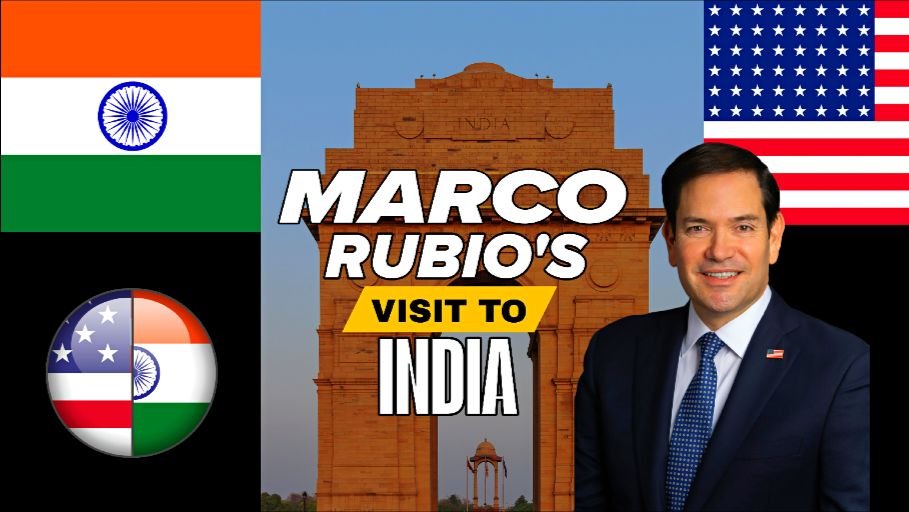
Washington’s Strategic Turn Toward New Delhi
The Marco Rubio India visit has quickly become one of the most closely watched diplomatic developments in Asia this year. While the trip appeared ceremonial at first glance, its deeper geopolitical meaning is far more significant. Washington is no longer treating India as simply a regional partner. Instead, the United States now views New Delhi as a central pillar of its long-term Indo-Pacific strategy. The visit came during a period of growing global uncertainty. Rising tensions with China, unstable energy markets, and trade disagreements have forced the United States to rethink its priorities in Asia. As a result, the Marco Rubio India visit signaled a stronger American effort to secure strategic influence in the region.
According to observations highlighted by the Observer Research Foundation, the Marco Rubio India visit underscored growing strategic coordination between Washington and New Delhi.
Why the Marco Rubio India Visit Matters
The Marco Rubio India visit was not simply about political symbolism. It focused on several urgent priorities shaping global politics today. Rubio met Prime Minister Narendra Modi and External Affairs Minister S. Jaishankar in New Delhi. Discussions centered on trade, defense, technology, maritime security, and energy cooperation. However, the broader objective became increasingly clear. The United States wants India to play a larger strategic role in counterbalancing China’s influence across the Indo-Pacific. This explains why Quad cooperation dominated many of the discussions during the visit.
The Quad alliance, which includes India, the United States, Japan, and Australia, has steadily evolved into a major geopolitical platform. Although officials publicly describe the grouping as a partnership for regional stability, Beijing views it as an emerging counterweight to Chinese power. Consequently, Rubio’s trip carried importance far beyond bilateral diplomacy.
Trade and Defense Took Center Stage
Trade tensions between Washington and New Delhi have complicated relations in recent years. Tariff disputes, concerns about Indian imports of Russian oil, and disagreements over market access created friction between both governments. Therefore, the Marco Rubio India visit attempted to stabilize the relationship before those disagreements deepen further. Rubio reportedly emphasized the need for a broader trade framework that could expand investment and improve supply chain resilience.
Defense cooperation also emerged as a major focus. India continues modernizing its military capabilities while balancing relationships with Russia and Western nations. The United States sees an opportunity to strengthen defense ties with one of the world’s fastest-growing economies. Several areas of cooperation were discussed:
- Maritime security operations
- Defense technology transfers
- Semiconductor partnerships
- Critical minerals cooperation
- Energy security initiatives
Although no major treaty was formally announced, analysts believe groundwork was laid for future agreements.
Why This Visit Was More Important for the United States
Many geopolitical observers believe the Marco Rubio India visit benefited Washington more than New Delhi. The reason is straightforward. The United States urgently needs stronger regional alliances as competition with China intensifies. China’s economic and military expansion has reshaped strategic calculations across Asia. Meanwhile, several US allies remain cautious about entering direct confrontations with Beijing. India, however, occupies a unique position.
New Delhi shares border tensions with China. It also seeks greater global influence while maintaining strategic independence. Because of this, Washington increasingly views India as a critical balancing force in Asia. The United States also faces additional global pressures:
- The ongoing Russia-China partnership
- Middle East instability
- Disruptions in global shipping routes
- Competition over advanced technologies
Against this backdrop, India offers economic scale, military strength, and geographic importance. Therefore, the Marco Rubio India visit represented an effort to deepen trust before regional tensions escalate further.
Global Reactions Reveal Growing Strategic Anxiety
International reactions to the visit reflected wider geopolitical anxieties. Chinese analysts closely monitored Quad discussions and American outreach toward India. Chinese state-linked commentators argued that Washington is trying to build a containment structure around Beijing. Meanwhile, Western strategic experts largely welcomed the visit. Many analysts described it as part of America’s broader Asia pivot. European observers also noted that stronger India-US relations could reshape global trade and security networks.
Russia’s reaction appeared more measured. Moscow continues maintaining strong ties with India, especially in defense and energy sectors. However, Russian policymakers are aware that deeper India-US cooperation could gradually reduce Moscow’s influence in South Asia. At the same time, Indo-Pacific nations are carefully observing how India balances its relationships with competing global powers.
Energy and Technology Are Becoming New Battlegrounds
One overlooked aspect of the Marco Rubio India visit involves energy and technology competition. Washington increasingly wants trusted partners for semiconductor manufacturing, artificial intelligence development, and critical supply chains. India’s massive market and expanding technology sector make it an attractive alternative to China-centered manufacturing networks. Consequently, American policymakers are investing greater diplomatic attention toward India.
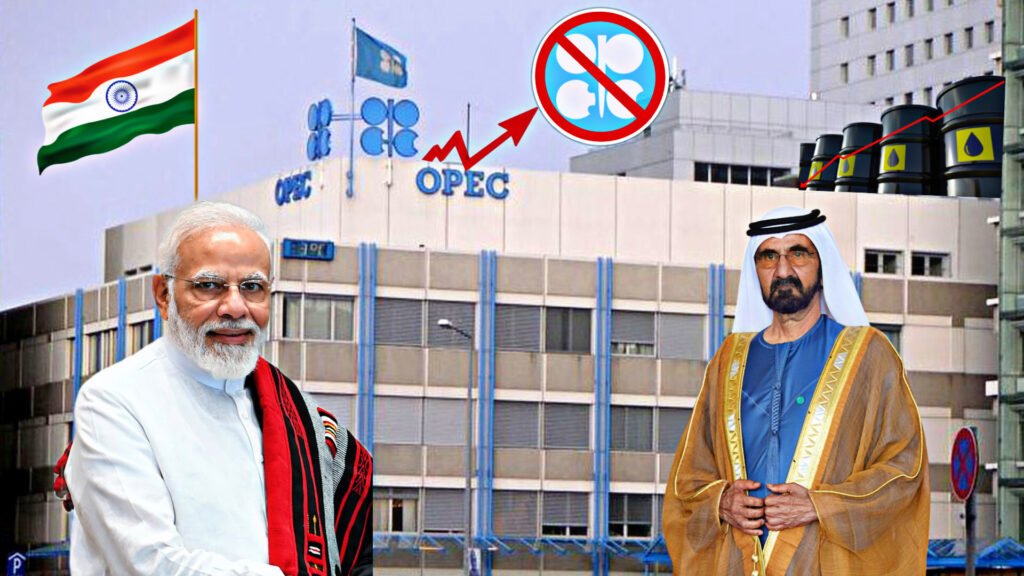
Energy discussions also carried strategic weight. Global oil market volatility continues affecting economic stability worldwide. The United States hopes India can diversify energy partnerships while reducing dependence on unstable supply routes. This economic dimension gives the visit additional importance beyond military or diplomatic cooperation.
Could the Visit Change Indo-Pacific Politics?
The long-term impact of the Marco Rubio India visit may depend on what follows next. Symbolic diplomacy alone cannot transform regional power dynamics. However, sustained cooperation could gradually reshape Indo-Pacific politics. If India and the United States expand defense coordination, China may respond more aggressively in disputed regional waters. Likewise, stronger Quad cooperation could encourage other Asian nations to deepen security partnerships with Washington.
However, India is unlikely to become a formal military ally of the United States. New Delhi continues valuing strategic autonomy and multi-alignment diplomacy. Indian policymakers remain cautious about becoming overly dependent on any single power. Even so, the visit demonstrated growing alignment between both countries on several major global challenges.
A Strategic Partnership Entering a New Phase
The Marco Rubio India visit revealed how rapidly global politics are changing. Washington now sees India as more than an emerging economic power. It increasingly views New Delhi as essential to maintaining balance in Asia. This shift could redefine Indo-Pacific geopolitics for years to come. Trade, technology, defense, and maritime security are no longer separate issues. Instead, they are becoming interconnected parts of a broader global competition.
For India, the challenge will involve strengthening partnerships without sacrificing strategic independence. For the United States, success will depend on whether it can build lasting trust with regional partners. Either way, the visit signaled that a new phase in India-US relations has already begun.
By Sahil Koul | Geopolitical Analyst