A New Strategic Era Is Taking Shape
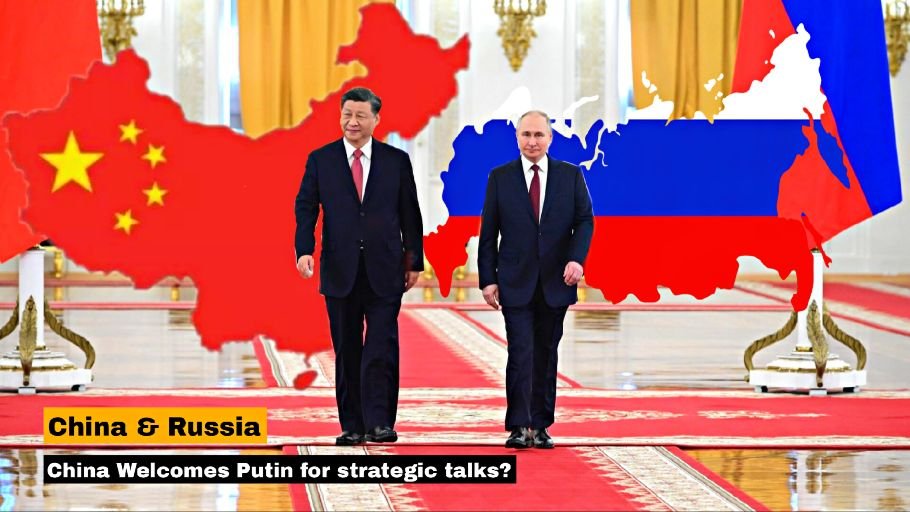
The latest Putin China visit has triggered intense global attention. The meeting between Russian President Vladimir Putin and Chinese President Xi Jinping was more than a diplomatic event. Instead, it reflected a deeper shift in global alliances and economic priorities. As Western nations continue pressuring Moscow through sanctions, Beijing appears increasingly willing to strengthen its strategic partnership with Russia. Therefore, analysts now see this visit as a defining moment in the emerging global order.
For official updates regarding Russia-China diplomatic engagements and bilateral discussions, readers can visit Kremlin Official statement
Background Behind the Putin China Visit
The relationship between Russia and China has expanded significantly during the past decade. However, the partnership became even stronger after Russia’s conflict with Ukraine and the resulting Western sanctions. Russia lost major access to European markets. Consequently, Moscow began relying more heavily on China for trade, energy exports, and financial cooperation. China, meanwhile, gained greater leverage in regional and global politics.
The recent Putin China visit came at a crucial time. Russia faces economic pressure from the West, while China remains locked in strategic competition with the United States. Because of these overlapping interests, both countries increasingly present themselves as defenders of a “multipolar world.” This phrase has become central to their diplomatic messaging. It suggests a world where Western powers no longer dominate global politics alone.
What Happened During the Meeting?
During the visit, Putin and Xi held extensive discussions in Beijing. Several senior officials from both governments also participated in bilateral meetings covering trade, defense, infrastructure, and energy. One of the biggest discussions focused on the proposed Power of Siberia 2 gas pipeline. The project would transport Russian natural gas to China through Mongolia. Russia strongly wants the agreement finalized because European demand for Russian gas has sharply declined. However, China continues negotiating pricing terms carefully. Beijing understands Russia currently has fewer alternatives. Therefore, China holds a stronger negotiating position.
Beyond energy, the leaders discussed expanding trade using local currencies instead of the U.S. dollar. This move reflects growing efforts to reduce dependence on Western financial systems. The Putin China visit also produced agreements involving technology cooperation, education exchanges, transport infrastructure, and industrial investment. Although some deals remain preliminary, the direction of the partnership is becoming increasingly clear.
Why This Visit Matters More for Russia
The latest Putin China visit carried enormous strategic importance for Moscow. Russia’s economy continues facing restrictions from Western governments. Therefore, China has become Russia’s most important economic partner. Before the Ukraine conflict, Europe represented a major market for Russian energy exports. Today, that situation has changed dramatically. Moscow now needs Asian buyers more urgently than ever before. China offers Russia three critical advantages.
Economic Survival
China provides a massive market for Russian oil, gas, and raw materials. Without Chinese demand, Russia would face even greater economic pressure.
Diplomatic Support
Although China officially claims neutrality regarding Ukraine, Beijing has avoided directly condemning Moscow. This diplomatic positioning helps Russia avoid total international isolation.
Financial Alternatives
Russia and China increasingly conduct trade in yuan and rubles. As a result, both countries are reducing their exposure to the U.S.-dominated financial system. Because of these factors, the Putin China visit represented far more than symbolism. For Russia, the partnership has become a strategic necessity.
Global Reactions to the Putin China Visit
Western governments monitored the meeting closely. Many officials in Europe and Washington believe the growing Russia-China partnership could reshape global power structures. Several analysts warned that deeper cooperation between Moscow and Beijing may weaken Western sanctions over time. Others argued the partnership could accelerate the fragmentation of global trade systems. Meanwhile, Asian countries reacted cautiously. Nations such as India, Japan, and South Korea continue balancing economic ties with China while maintaining security cooperation with the United States.
The Putin China visit also sparked concerns regarding energy markets. Investors closely watched discussions surrounding pipeline agreements and future resource cooperation. At the same time, some geopolitical experts believe China remains careful about fully aligning with Russia. Beijing still depends heavily on trade with Western economies. Therefore, China is unlikely to support actions that could trigger major secondary sanctions.
The Energy Factor Behind the Meeting
Energy cooperation remains the backbone of Russia-China relations. That reality became especially visible during the recent Putin China visit. Russia wants long-term energy contracts that guarantee stable export revenue. China, meanwhile, seeks reliable energy supplies to support its industrial economy. The proposed Power of Siberia 2 pipeline sits at the center of this relationship. If completed, the project could significantly deepen China’s energy dependence on Russia.
However, negotiations remain complicated. China wants favorable pricing and long-term flexibility. Russia, meanwhile, urgently needs new export routes after losing much of the European market. Even without a finalized agreement, both governments signaled continued commitment to energy cooperation. Therefore, the project remains strategically important for both sides.
A Challenge to Western Influence?
The broader message of the Putin China visit extends beyond trade or energy. The meeting highlighted a shared ambition to challenge Western political dominance. Both Putin and Xi criticized what they described as unilateral Western policies. They instead promoted a world system built around multiple centers of power. This narrative appeals to several developing countries. Many governments in Asia, Africa, and Latin America seek greater independence from Western-led institutions.
As a result, Russia and China increasingly position themselves as alternative global power centers. However, questions remain about how sustainable this partnership truly is. China’s economy is far larger than Russia’s. Consequently, some analysts believe Moscow risks becoming overly dependent on Beijing in the long term.
What Could Happen Next?
The consequences of the Putin China visit may unfold gradually over several years. First, energy cooperation between the two countries will likely expand further. Second, efforts to bypass the U.S. dollar could continue growing. Third, military and technological cooperation may deepen quietly behind the scenes.
At the same time, Western governments could respond by strengthening alliances in Europe and Asia. NATO members already view closer Russia-China ties as a growing strategic challenge. The visit may also accelerate the formation of competing economic blocs worldwide. If that happens, global trade patterns could shift significantly during the coming decade.
Conclusion
The latest Putin China visit revealed far more than diplomatic ceremony. It demonstrated how global power dynamics are changing under economic pressure, geopolitical rivalry, and strategic necessity. For Russia, the partnership with China has become essential for economic and diplomatic survival. For China, closer ties with Moscow provide strategic leverage against Western influence. However, the relationship remains complex. China seeks stability and economic growth, while Russia seeks political and economic support amid international isolation. Still, one reality is increasingly clear. The meeting between Putin and Xi signaled that the global balance of power is entering a new and uncertain phase.
By Sahil Koul | Geopolitical Analyst