
Why Hamas Is Hunting Down Gaza Collaborators Now
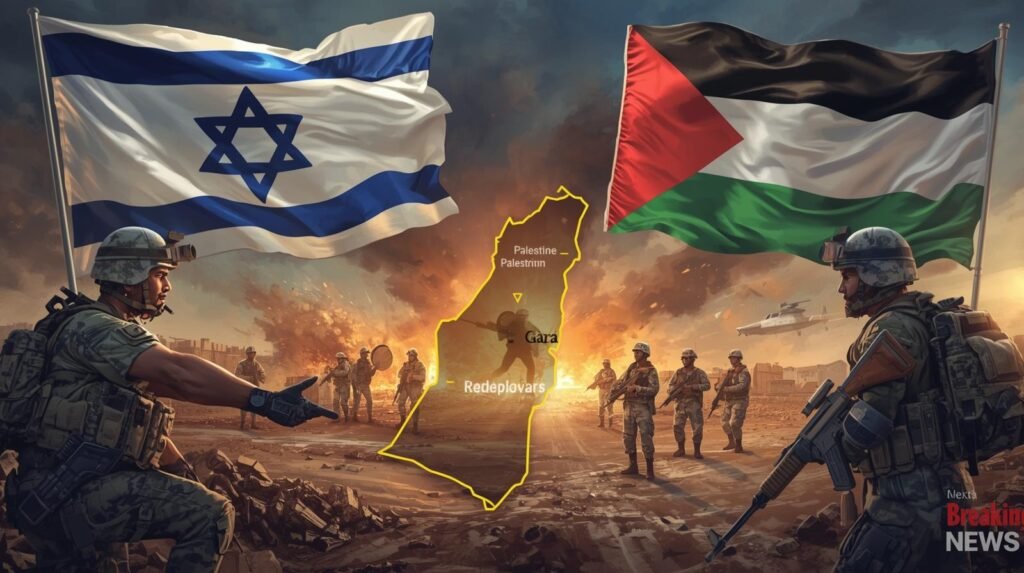
In the war-ravaged streets of Gaza, a new wave of fear has emerged—not from Israeli airstrikes, but from Hamas itself. In recent days, Hamas executions in Gaza have reportedly claimed dozens of lives, with masked fighters publicly shooting Palestinians accused of “collaboration” or disloyalty.
Executions Caught on Camera
Multiple videos circulating on social media—and later cited by Reuters and other outlets—appear to show Hamas fighters executing men with their hands tied, kneeling in public squares.
While Hamas has not denied the incidents, it justified them as part of an effort to eliminate “traitors and outlaws” who allegedly cooperated with Israeli forces or undermined the group’s authority.
Reuters, The Guardian, and i24News report that at least 33 Palestinians were executed in different parts of Gaza City. Some were accused of spying for Israel, others of belonging to rival militias. Independent verification of all footage remains limited due to restricted media access inside Gaza.
Power, Fear, and Control
The Hamas executions in Gaza are being viewed by analysts as part of a broader attempt to reassert control after a shaky ceasefire and partial Israeli withdrawal.
With much of Gaza in ruins, public order has eroded, and local clans and militias have started to challenge Hamas’ grip. The executions serve as both a warning and a show of dominance—signaling that Hamas remains the sole authority capable of imposing order.
However, human rights observers warn that these killings, carried out without trials, violate international humanitarian law. If confirmed, they would constitute extrajudicial executions, potentially amounting to war crimes under international law.
International Reactions and Silence
So far, international condemnation has been muted, partly because of the complexity of Gaza’s internal politics. Israel, which often accuses Hamas of brutality, has remained largely silent, focusing instead on its own prisoner exchanges and ceasefire enforcement.
Meanwhile, Gaza residents find themselves trapped between fear of Israeli raids and Hamas’ growing internal crackdown. One Gazan witness told The Guardian, “People are afraid to speak. You can be called a collaborator just for questioning what’s happening.”
A Struggle for Survival
For Hamas, these actions may be less about justice and more about survival. The group is desperate to maintain legitimacy and control in the wake of devastating military losses and public anger over the humanitarian crisis.
By labeling opponents as “collaborators,” Hamas can justify swift and public punishment while silencing dissent.
Still, the Hamas executions in Gaza have deepened the atmosphere of terror and hopelessness among Palestinians, many of whom are already displaced and struggling for basic necessities.
What Comes Next
Human rights organizations, including Amnesty International and Human Rights Watch, are calling for independent investigations. But access to Gaza remains tightly restricted, making on-the-ground verification difficult.
As Gaza attempts to rebuild under shadow of both Israeli bombardment and Hamas’ tightening rule, the line between “justice” and “repression” has never been more blurred.
Sources: Reuters, The Guardians, i24 News,
For more on current events, check out our full coverage of the Reasons why the US should Ban the Muslim Brotherhood Now and stay updated on the latest developments.