
The Pakistan-Afghanistan conflict has escalated sharply, with deadly clashes along the border causing significant casualties and raising concerns about regional stability in South Asia. The conflict, which has deep historical, political, and security roots, is now impacting trade, diplomacy, and military operations in the region.
Background: Why the Conflict Escalated
The current escalation stems from a combination of historical tensions, militant activities, and border security issues. Pakistan has long accused Afghanistan of providing safe havens to the Tehrik-e-Taliban Pakistan (TTP), a militant group that has carried out attacks inside Pakistan. In retaliation, Pakistan has carried out airstrikes on suspected TTP hideouts in Afghanistan.
Afghanistan, governed by the Taliban, denies harboring militants intentionally but blames Pakistan for border provocations and unilateral military actions. This mutual distrust has now erupted into deadly border skirmishes, marking one of the most severe escalations in recent years.
Recent Clashes and Casualties
On October 9, Pakistani forces launched airstrikes targeting TTP leaders in Kabul and other regions of Afghanistan. In response, Afghan forces reportedly attacked multiple Pakistani military posts on October 11, killing at least 58 Pakistani soldiers and injuring 30 others. Pakistan’s military retaliated, claiming over 200 Taliban fighters were killed, while reporting 23 soldiers dead and 29 wounded.
These incidents highlight the continuing cycle of violence fueling the Pakistan-Afghanistan conflict.
Border Closures and Trade Disruptions
In response to the violence, Pakistan has closed major border crossings, including the Chaman border, halting trade and leaving hundreds of trucks stranded. The disruption has affected local economies, with border communities bearing the brunt of halted commerce.
Diplomatic and Regional Implications
Afghan Foreign Minister Amir Khan Muttaqi emphasized Afghanistan’s desire for peaceful relations, stating the country does not seek conflict with neighbors and labeling Pakistan as its only “unhappy neighbor.” Pakistan, meanwhile, has vowed a strong military response to any further provocations.
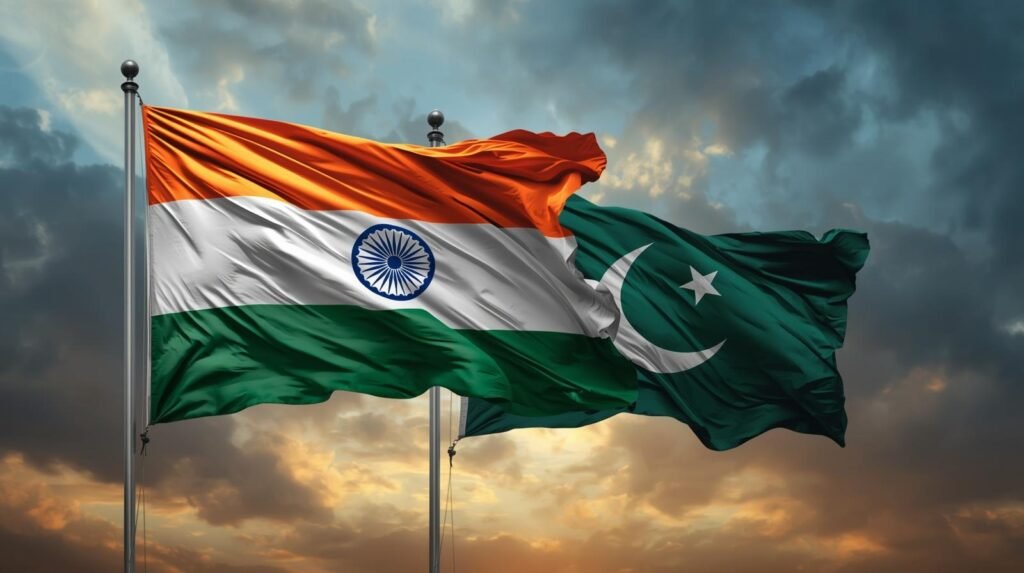
The conflict also reflects broader regional dynamics. India has strengthened diplomatic and economic engagement with Afghanistan, which Pakistan perceives as strategic encirclement. The involvement of regional powers adds complexity to the ongoing Pakistan-Afghanistan conflict, raising fears of wider instability.
International Response
The international community, including Russia and the United Nations, has urged both nations to exercise restraint. Analysts warn that failure to de-escalate could lead to a prolonged conflict, affecting security, trade, and stability throughout South Asia.
For more on current events, check out our full coverage of the Reasons why the US should Ban the Muslim Brotherhood Now and stay updated on the latest developments.