Pakistan’s Economic Gamble Behind the US Money Request
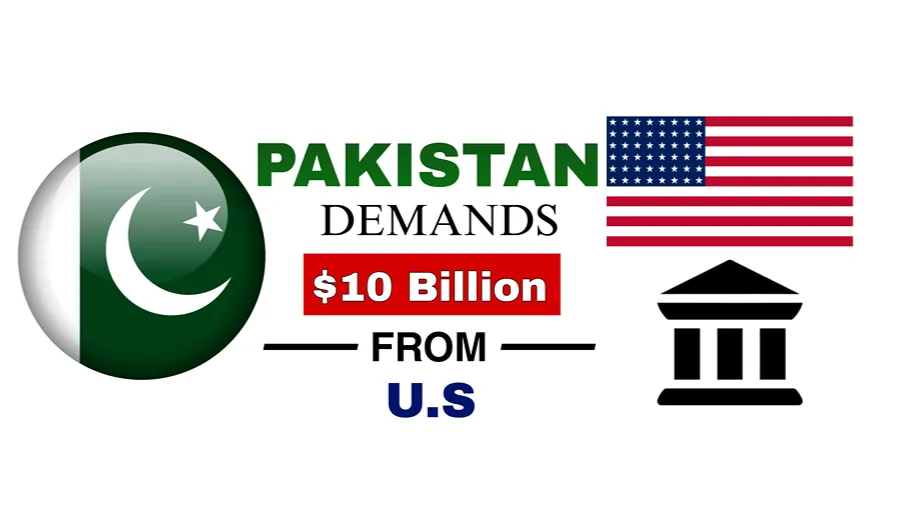
Pakistan’s Pakistan US Money Request has attracted global attention as Islamabad looks for financial support during one of its most challenging economic periods. The move raises a major question: is Pakistan seeking a temporary economic lifeline, or is it attempting a larger geopolitical strategy? With rising debt obligations, economic instability, and increasing regional tensions, Pakistan’s appeal for billions from Washington comes at a sensitive moment. The decision could reshape Pakistan’s economic future while also influencing US interests in South Asia and the Middle East.
Why Pakistan Needs Financial Support
Pakistan has struggled with economic challenges for several years. The country has faced pressure from high inflation, foreign exchange shortages, energy costs, and large external debt repayments. The country’s economic problems are not limited to short-term financial shortages. Structural issues, including low exports, limited foreign investment, and fiscal weaknesses, have created long-term challenges. For Islamabad, securing financial assistance from major global partners has become an important part of its economic strategy.
According to the U.S. Department of the Treasury, Pakistan has been working with international partners to restore macroeconomic stability, advance fiscal reforms, and strengthen long-term economic resilience. The United States has acknowledged Pakistan’s reform efforts while emphasizing the need for continued progress toward sustainable growth and greater economic self-reliance.
Pakistan US Money Request
The reported Pakistan US Money Request reflects Pakistan’s attempt to strengthen economic cooperation with the United States. Historically, Pakistan and the US have maintained a complicated relationship. Security cooperation, regional politics, and economic partnerships have shaped ties between both countries. Pakistan sees Washington as a potential source of investment, diplomatic support, and economic confidence. Stronger US involvement could encourage other international investors to view Pakistan as a more stable market. However, financial support from the US would likely come with expectations. Washington may seek economic reforms, transparency measures, and cooperation on regional security issues.
Key Economic Challenges Facing Pakistan
| Economic Indicator | Current Challenge |
|---|---|
| External Debt | High repayment pressure from international lenders |
| Foreign Reserves | Limited ability to cover imports during crises |
| Inflation | Increased cost of living affecting citizens |
| Currency Pressure | Pakistani rupee facing depreciation risks |
| Energy Sector | High costs affecting industries and consumers |
| Investment Climate | Political uncertainty reducing investor confidence |
Pakistan’s economic recovery depends not only on receiving funds but also on how effectively those resources are used.
Why Does Pakistan Want Billions From the US?
Pakistan’s request for billions of dollars from the United States is driven by economic and geopolitical factors. Islamabad is seeking financial support to stabilize its struggling economy and strengthen foreign exchange reserves. The move also aims to restore investor confidence and reduce pressure from rising debt obligations. However, many economists believe external funding alone cannot solve Pakistan’s long-term economic challenges. Sustainable growth will require structural reforms, stronger exports, better governance, and increased industrial development.
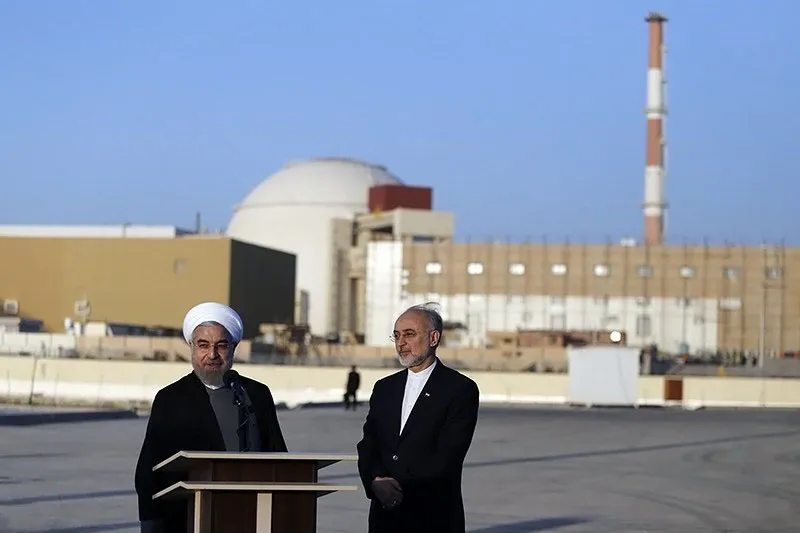
At the same time, regional geopolitics has increased Pakistan’s strategic importance. The ongoing tensions between the United States and Iran have made Pakistan a key regional player. Its shared border with Iran and security role increase its diplomatic value. Therefore, Islamabad may be using its strategic location to improve economic cooperation with Washington. This makes the Pakistan US Money Request both an economic requirement and a geopolitical strategy.
Role of the US-Iran Conflict in Pakistan’s Demand
The US-Iran rivalry creates a complex situation for Pakistan. Islamabad has historically attempted to maintain balanced relations with both Washington and Tehran. Pakistan does not want regional instability because it could affect trade, energy supplies, and security. For the United States, Pakistan’s geographic position remains strategically important. Any increase in regional tensions could make Pakistan more valuable as a diplomatic partner. However, Pakistan must carefully manage this relationship. Supporting one side too strongly could create difficulties with the other.
Has the US Agreed to Pakistan’s Request?
At this stage, financial cooperation between Pakistan and the United States depends on negotiations, strategic priorities, and economic conditions. The US may support Pakistan through investment, economic partnerships, or international financial channels rather than simply providing direct funding. Washington is also likely to evaluate whether financial assistance would create long-term economic improvement or only provide temporary relief. The final decision would depend on Pakistan’s reform commitments and broader US foreign policy objectives.
How Other Countries May Respond
The Pakistan US Money Request has drawn significant attention from major global powers, as its outcome could reshape regional geopolitics and economic partnerships. China, Pakistan’s largest strategic and infrastructure partner through the China-Pakistan Economic Corridor (CPEC), is expected to closely monitor any expansion of US economic involvement, as it could influence Beijing’s long-term interests in the region. Meanwhile, Gulf countries such as Saudi Arabia and the United Arab Emirates may view stronger economic support for Pakistan positively because regional stability directly affects their trade, investment, and security priorities.
India is also likely to assess the development through a strategic lens, considering how improved financial assistance could impact the regional balance of power in South Asia. At the same time, international financial institutions may welcome greater US engagement if it is tied to economic reforms, fiscal discipline, and sustainable growth. Ultimately, the Pakistan US Money Request is not just an economic issue but a geopolitical development that could influence diplomatic relationships across Asia and the Middle East.
Is This Decision Good or Bad for Pakistan?
The Pakistan US Money Request could offer important short-term economic relief, but its long-term success will depend on how the funds are utilized. If the financial support is directed toward strengthening foreign exchange reserves, attracting new investments, improving infrastructure, and implementing economic reforms, it could help stabilize Pakistan’s economy and enhance international investor confidence. However, there are also significant risks. Greater reliance on external financial assistance could increase Pakistan’s dependence on foreign partners, add to its future repayment obligations, and expose the country to greater geopolitical and political pressures.
Moreover, if the underlying structural problems, such as weak exports, fiscal imbalances, and governance challenges, remain unaddressed, the Pakistan US Money Request may provide only temporary relief rather than a lasting solution. Ultimately, the effectiveness of any financial assistance will depend on whether it supports sustainable economic growth instead of simply helping Pakistan manage its existing debt burden.
Possible Global Consequences
The Pakistan US Money Request has implications that extend far beyond Islamabad’s immediate economic needs. A stronger economic partnership between Pakistan and the United States could reshape South Asian diplomacy, expand US influence in the region, affect China’s long-term strategic investments in Pakistan, and influence security dynamics across the Middle East. It could also improve global investor confidence if the financial support is accompanied by meaningful economic reforms and political stability.
However, if the initiative fails to deliver sustainable growth, it may reinforce concerns about Pakistan’s growing dependence on external financial assistance and raise questions about the country’s long-term economic resilience. Beyond economic concerns, Pakistan’s internal security environment will also play an important role in shaping international perceptions. Frequent security incidents could affect investor confidence and create additional challenges for economic recovery.
Conclusion
The Pakistan US Money Request is more than a plea for financial assistance; it represents a significant geopolitical and economic moment shaped by debt pressures, regional security concerns, and the evolving competition among global powers. While US support could provide Pakistan with much-needed economic breathing room and strengthen bilateral ties, financial aid alone cannot resolve the country’s structural economic challenges.
Lasting recovery will depend on comprehensive reforms, stronger exports, fiscal discipline, and policies that encourage sustainable investment. Ultimately, the success of the Pakistan US Money Request will be measured not by the amount of money received, but by whether it helps Pakistan build a stronger and more self-reliant economy instead of deepening its dependence on foreign assistance.
By Sahil Koul | Geopolitical Analyst covering global politics, international relations, economic trends, and emerging geopolitical challenges.