UAE Security Actions Spark Wider Regional Debate
The debate surrounding why the UAE deported Pakistani Shias has rapidly expanded beyond immigration policy. It now involves regional security, Gulf geopolitics, and Pakistan’s economic vulnerabilities. Reports about detentions and deportations triggered concern among overseas workers and diplomats alike.
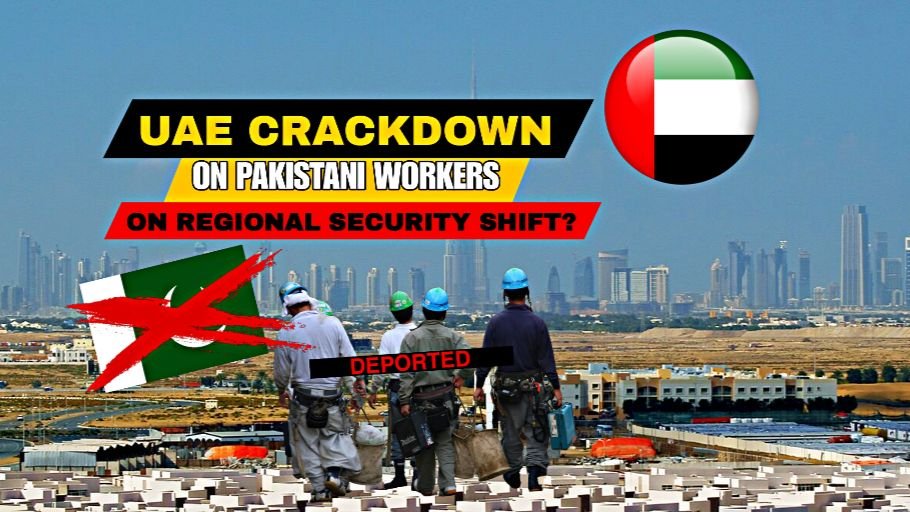
According to Democracy Now, several Pakistani nationals reportedly came under investigation during a wider UAE security crackdown targeting suspected foreign-linked networks within the Emirates.
The issue gained attention because the UAE hosts one of the world’s largest Pakistani expatriate populations. Estimates suggest more than 1.7 million Pakistanis currently work across the Emirates. Their remittances remain critical for Pakistan’s struggling economy. Therefore, reports that UAE deported Pakistani Shias created wider political and economic concerns across the region.
Why the UAE Increased Security Checks
The UAE has tightened domestic security measures during the past several years. Gulf governments remain deeply concerned about instability connected to Iran and proxy-linked networks. As tensions involving Iran, Israel, and Western powers continue, Gulf states have become increasingly cautious. Authorities reportedly investigated individuals suspected of maintaining ideological or financial ties with groups linked to Iran. Reports that UAE deported Pakistani Shias intensified regional debate surrounding Gulf security policies and expatriate communities. While official details remain limited, some detainees reportedly belonged to Pakistani Shia labor communities. The UAE government has not publicly framed the issue as sectarian. However, regional analysts argue Gulf security institutions increasingly monitor cross-border religious and political networks.
Key Numbers Behind the Issue
- More than 1.7 million Pakistanis currently work in the UAE.
- Pakistan received nearly $7 billion in remittances from the UAE in recent financial data.
- Pakistani workers form one of the UAE’s largest foreign labor groups.
- Thousands work in construction, logistics, transport, and retail sectors.
- Gulf countries collectively account for a large share of Pakistan’s overseas employment market.
These figures explain why the situation matters far beyond isolated arrests or deportations.
Why Pakistani Shia Workers Came Under Scrutiny
The controversy intensified after claims emerged regarding alleged “Iran-linked cells.” Security agencies in the Gulf often view political or sectarian mobilization as a national security concern. Consequently, Pakistani Shia workers reportedly faced increased background checks and questioning. Many detained individuals allegedly worked in sectors such as:
- construction
- warehouse operations
- transport services
- maintenance
- retail businesses
- hospitality services
The UAE depends heavily on foreign labor. Therefore, the focus on specific communities has created anxiety among migrant workers. Analysts believe several factors contributed to the crackdown:
Regional Iran Tensions
The Gulf continues to monitor Iran’s regional influence carefully. Any suspected connection to Iran-linked organizations attracts immediate scrutiny.
Fear of Underground Networks
Authorities may fear informal fundraising or logistical networks operating through expatriate communities.
Rising Regional Polarization
The Middle East currently faces heightened sectarian and geopolitical tensions. Consequently, Gulf states are adopting stricter internal security policies.
Pakistan Faces a Difficult Diplomatic Situation
Islamabad now faces a sensitive balancing act. Pakistan values its economic relationship with the UAE deeply. At the same time, public concern inside Pakistan has grown regarding the treatment of expatriate workers. Pakistani officials have reportedly engaged in quiet diplomatic discussions rather than public confrontation. This approach reflects the importance of Gulf partnerships for Pakistan’s economy.
Why This Hurts Pakistan
Pakistan’s economy remains dependent on overseas remittances. Any disruption affecting workers in the Gulf can create serious financial consequences. Potential risks include:
- reduced labor opportunities
- falling remittance inflows
- increased unemployment pressure
- weakened diplomatic confidence
- stricter visa screening for future workers
Pakistan already faces economic instability, inflation, and foreign exchange pressure. Therefore, concerns surrounding deportations create additional uncertainty.
Is the UAE’s Strategy Beneficial?
Supporters argue the UAE deported Pakistani Shias to strengthen national security and prevent future regional security threats. Moreover, Gulf governments increasingly favor preventive security measures amid rising tensions across the Middle East. The crackdown also signals foreign-linked political activities will not be tolerated inside the UAE. Additionally, the move aligns the UAE with broader Gulf security priorities and intelligence cooperation frameworks. However, critics warn sudden deportations could disrupt labor markets across several important industries.
Pakistani workers remain essential in construction, logistics, transport, and maintenance sectors throughout the UAE. Furthermore, reports that UAE deported Pakistani Shias may quietly increase diplomatic friction between Islamabad and Abu Dhabi. Some analysts also fear expatriate communities may experience anxiety over broad enforcement actions and politically sensitive investigations.
Could This Signal a Larger Gulf Security Shift?
Many regional observers believe the situation reflects a broader transformation in Gulf security thinking. Over the past decade, Gulf states have expanded surveillance systems, financial monitoring, and migration controls. The UAE especially has positioned itself as a regional security and economic hub. Therefore, authorities increasingly prioritize internal stability. Several developments support this argument:
- stricter digital monitoring policies
- expanded counterterrorism cooperation
- tighter financial regulations
- enhanced intelligence coordination with allies
- increased scrutiny of foreign organizations
The deportation controversy may therefore represent part of a wider regional security doctrine rather than an isolated event.
Wider Global Consequences
The implications extend beyond Pakistan and the UAE.
Impact on South Asian Workers
Millions of South Asian workers rely on Gulf employment opportunities. Stricter security screening may affect migration patterns across the region.
Changing Gulf Labor Policies
The Gulf may gradually move toward more selective immigration systems focused on tighter monitoring.
Rising Sectarian Sensitivities
The issue risks inflaming sectarian narratives across South Asia and the Middle East.
Diplomatic Realignment
Countries dependent on Gulf employment could face increased political pressure to align with Gulf security priorities.
Regional Stability Remains the Central Question
The controversy surrounding why the UAE deported Pakistani Shias reveals how migration, security, and geopolitics increasingly overlap across the region. Initially, the situation appeared to involve only a limited enforcement action inside the UAE. However, it has gradually evolved into a much wider regional political and security debate. Meanwhile, the UAE seeks stability amid escalating tensions across the Middle East. Pakistan, however, must protect both overseas workers and long-standing relationships with Gulf governments.
Consequently, both countries now face several difficult diplomatic and strategic choices moving forward. Ultimately, the coming months will determine whether this remains a temporary security operation. Otherwise, it could become part of a broader Gulf policy involving tighter expatriate monitoring and stronger political controls.
By Sahil Koul | Geopolitical Analyst