
Why Britain Is Rethinking Youth Access to Social Media
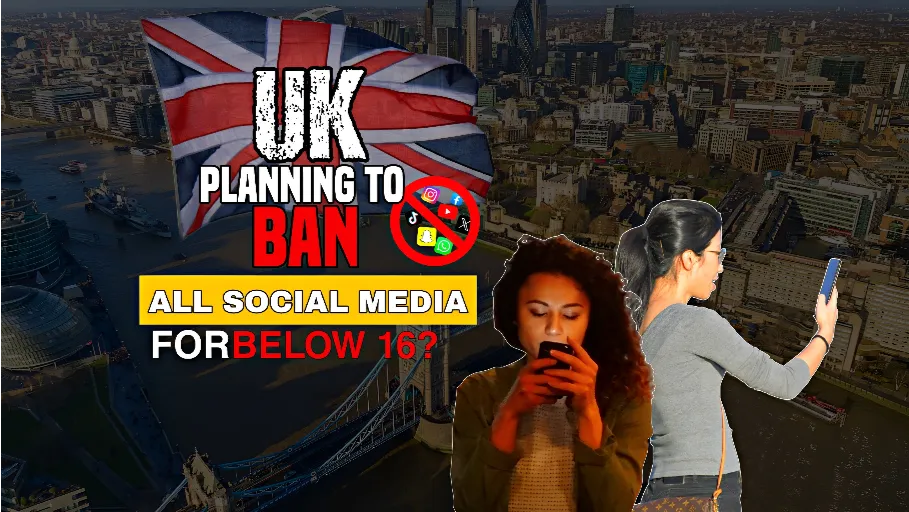
The UK social media ban proposal has triggered a fierce debate across Britain and beyond. Supporters argue that young people face unprecedented risks online. Critics, however, warn that restrictions could create new challenges while failing to address deeper problems. As governments struggle to regulate powerful technology platforms, Britain is considering one of its most significant digital policy shifts in years.
The proposal raises important questions. Can limiting social media access truly protect children? Or will it simply push young users toward less regulated corners of the internet? The answers could shape the future of online safety policies around the world.
Behind the UK Social Media Ban
Concerns about social media’s impact on children have grown steadily over the past decade. Policymakers, parents, and health experts have increasingly pointed to issues such as cyberbullying, harmful content, screen addiction, and declining mental well-being. The debate intensified after several studies highlighted links between excessive social media use and rising anxiety among teenagers. At the same time, campaign groups called on governments to place greater responsibility on technology companies.
Britain has already introduced online safety measures through legislation aimed at making digital platforms more accountable. However, many lawmakers believe current safeguards do not go far enough. The government’s latest discussions focus on restricting or banning social media access for users under 16. Officials argue that stronger protections may be necessary as digital platforms continue to influence young people’s daily lives.
According to research published by the UK Parliament Commons Library, concerns about children’s online safety have become a central issue in ongoing discussions about social media regulation and age-based access restrictions.
Current Developments in the UK Social Media Ban Debate
The UK social media ban is still being discussed by politicians and has not become official policy. However, support for stronger rules has grown in recent months. Several lawmakers have called for tougher age checks on social media platforms. In addition, some have suggested restrictions similar to those introduced in other countries. Public concern has also increased after reports linked heavy social media use to mental health problems among teenagers.
Supporters argue that social media companies have not done enough to protect young users. They say platform algorithms often keep children online for longer and can expose them to harmful content. On the other hand, technology companies and digital rights groups have raised concerns about stricter age checks.
They question whether these systems can work effectively without affecting user privacy. As a result, Britain faces a difficult decision. Policymakers must find a balance between protecting children, respecting personal freedoms, safeguarding privacy, and ensuring practical enforcement.
How the UK Is Reacting
Public reaction to the UK social media ban reflects a broader cultural divide over technology. Many parents support stronger controls. They argue that social media platforms expose children to harmful trends, cyberbullying, and unrealistic expectations. For these families, government intervention appears necessary. Child protection organizations have largely welcomed discussions about stricter safeguards.
They believe social media companies should bear greater responsibility for protecting younger audiences. However, opposition voices remain influential. Some educators argue that digital literacy education could prove more effective than outright restrictions.
Others fear bans may limit opportunities for communication, learning, and community engagement. Young people themselves also hold mixed views. Some welcome stronger protections. Others view restrictions as an unnecessary limitation on personal freedom. Consequently, policymakers face pressure from multiple directions as they attempt to craft a workable solution.
Geopolitical Implications of the UK Social Media Ban
The UK social media ban extends beyond domestic politics. It represents part of a growing international effort to regulate major technology platforms. For years, governments have struggled to balance innovation with public safety. Technology companies operate across borders, while regulations remain largely national. This mismatch has created significant policy challenges. Britain’s approach could influence discussions in Europe and other democratic nations.
If implemented successfully, it may become a model for future digital governance frameworks. Furthermore, the debate highlights a broader geopolitical issue. Governments increasingly view online platforms not merely as businesses but as powerful actors that shape public behavior, social cohesion, and even national security.
The United Kingdom’s decisions could therefore contribute to wider global conversations about digital sovereignty and platform accountability. In this context, the UK social media ban is not simply about teenagers. It is also about defining the relationship between governments and technology companies in the digital age.
Other Countries Pursuing Similar Policies
Moreover, Britain is not alone in exploring stronger restrictions. For example, Australia attracted global attention after moving toward tougher social media rules for younger users. As a result, the policy sparked international debate over enforcement and effectiveness. Similarly, France has examined measures aimed at strengthening parental consent requirements and age controls. Meanwhile, Norway has discussed raising the minimum age for social media access. In addition, several European governments continue to evaluate comparable proposals. Although each country operates under its own legal framework, many of the concerns remain remarkably similar. These concerns include:
- Online addiction
- Mental health risks
- Exposure to harmful content
- Cyberbullying
- Data privacy concerns
As more governments examine these issues, the UK social media ban debate may become part of a broader international regulatory trend.
Could the UK Social Media Ban Make Young People Safer?
Supporters believe the answer is yes. Limiting social media use could reduce exposure to harmful content. It may also help lower cyberbullying and cut down on screen time. In addition, some researchers believe fewer online pressures could improve mental health. However, challenges remain. Many children find ways around online restrictions. VPNs, alternative apps, and shared accounts can make rules harder to enforce. As a result, a ban alone may not remove all online risks.
At the same time, social media also has benefits. Many young people use it for learning, creativity, and staying connected with others. Because of this, many experts support a balanced approach. They argue that restrictions should be combined with education. Better digital literacy programs could help young people use the internet more safely. Ultimately, the success of the UK social media ban may depend on how well it works alongside broader child safety measures.
Possible Global Consequences
If Britain adopts stricter social media restrictions, other governments will watch closely. A successful outcome could encourage similar legislation elsewhere. Technology companies might also face increasing pressure to redesign products for younger users. Conversely, enforcement difficulties could weaken support for future restrictions.
Policymakers in other countries may then pursue alternative approaches. Either way, the debate signals a major shift in global attitudes toward digital governance. At the same time, governments are increasingly treating online safety as a matter of public policy rather than solely a family concern.
Consequently, Britain’s approach could influence regulatory discussions far beyond its borders. In turn, the UK social media ban may become a defining test case in the ongoing effort to balance digital innovation, public safety, and individual freedoms.
Conclusion
The UK social media ban marks an important moment in the debate over child safety online. Supporters see it as a necessary step to reduce growing online risks. However, critics argue that restrictions alone cannot solve deeper social issues. One thing is clear: governments are no longer willing to leave youth online safety entirely to technology companies.
Whether Britain introduces a full ban or a limited version, its decision could influence policymakers in many other countries. Ultimately, the outcome may shape how future generations use social media in an increasingly digital world.
By Sahil Koul | Geopolitical Analyst