A Dangerous Virus Returns to Central Africa
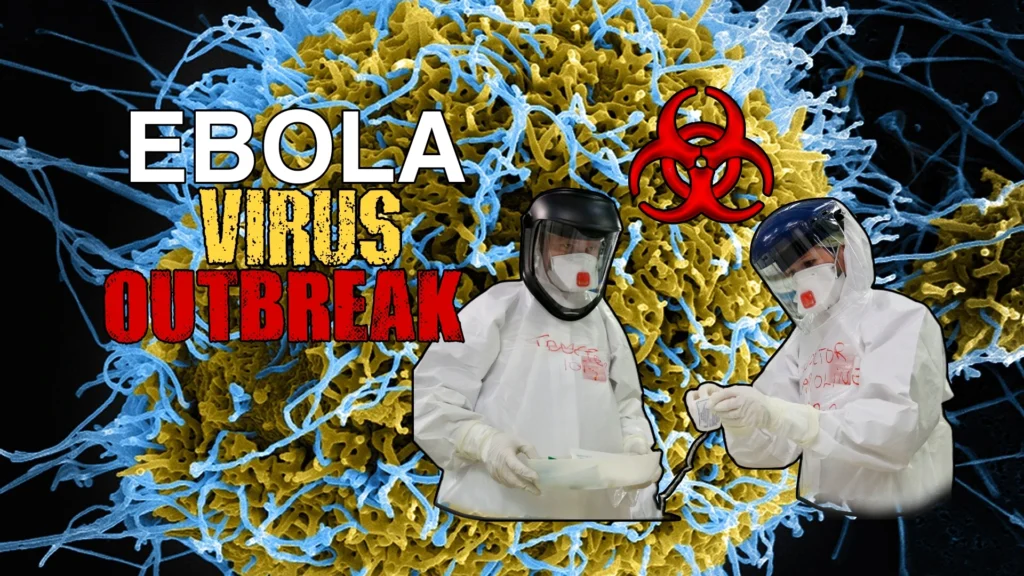
The Congo Ebola Outbreak has once again placed Central Africa under intense global scrutiny. Health officials are now racing against time to contain a virus known for its deadly history and rapid transmission. While vaccines offer hope, experts warn that delayed responses, weak healthcare systems, and regional instability could still turn the crisis into a wider humanitarian emergency. Moreover, memories of previous Ebola waves remain fresh across Africa. This time, however, international agencies fear that population movement and conflict zones may complicate containment efforts even further.
According to the World Health Organization, emergency surveillance and vaccination campaigns have already intensified in affected regions.
Understanding the Congo Ebola Outbreak
The latest Congo Ebola Outbreak reportedly emerged in eastern parts of the Democratic Republic of Congo during 2026. Initial reports indicated clusters of unexplained fever cases before laboratory testing confirmed Ebola virus infections. According to health authorities, the outbreak has already resulted in more than 80 reported deaths and over 240 suspected cases, while additional infections remain under investigation across multiple health zones. Ebola is among the world’s deadliest viral diseases. It spreads through direct contact with infected bodily fluids, contaminated surfaces, or infected animals. Symptoms usually begin with fever and fatigue. However, severe cases can lead to internal bleeding, organ failure, and death.
Historically, Congo has faced several Ebola outbreaks. Nevertheless, each new wave presents different challenges. In remote regions, medical access remains limited. At the same time, mistrust of authorities sometimes slows emergency response operations. Consequently, health workers now face the difficult task of containing infections while also reassuring frightened communities. Officials are especially concerned because suspected infections have appeared beyond the initial outbreak zones. Moreover, cross-border movement between Congo and neighboring Uganda has increased fears of wider regional transmission. As a result, emergency monitoring and isolation measures have intensified throughout affected areas.
Why the Ebola Virus Remains So Dangerous
Unlike many seasonal infections, Ebola carries a significantly higher fatality rate. Some previous outbreaks recorded mortality rates approaching 50 percent or more. Therefore, even a relatively small outbreak quickly becomes an international concern. Another major issue involves healthcare infrastructure. Hospitals in affected regions often struggle with shortages of medical supplies, trained personnel, and isolation facilities. Furthermore, conflict-affected areas make rapid intervention extremely difficult.
In addition, Ebola outbreaks frequently damage local economies. Markets slow down, border trade declines, and travel restrictions disrupt daily life. As fear spreads, social stability can weaken rapidly. Because of these risks, the Congo Ebola Outbreak is no longer viewed as only a regional health issue. Instead, it has become a geopolitical and humanitarian concern with international implications.
Can Vaccines Stop the Congo Ebola Outbreak?
Vaccines are currently the strongest weapon against Ebola. Over recent years, medical researchers developed vaccines that showed promising results during earlier outbreaks in Africa. Health officials are now deploying emergency vaccination programs around confirmed cases. This strategy, often called “ring vaccination,” aims to immunize people who had direct contact with infected individuals. So far, vaccines have significantly reduced transmission during several Ebola emergencies. However, major challenges still remain.
First, vaccine distribution in remote Congolese regions remains complicated. Poor roads, insecurity, and fragile logistics systems slow delivery operations. Additionally, some communities remain skeptical about vaccination campaigns due to misinformation or distrust. Second, vaccines alone cannot stop outbreaks without rapid detection systems. Delayed reporting allows infections to spread silently between villages and urban centers. Third, neighboring countries also face risks. Cross-border movement between Congo, Uganda, Rwanda, and South Sudan creates concern among regional governments.
As a result, several African nations increased border screening and emergency preparedness measures. Therefore, while vaccines provide a powerful defense, they are not a guaranteed solution without strong healthcare coordination.
WHO and International Reaction
The international response to the Congo Ebola Outbreak has intensified steadily. The World Health Organization quickly mobilized emergency teams, surveillance specialists, and vaccination support units. Meanwhile, humanitarian organizations are expanding medical operations in vulnerable communities. International donors are also monitoring funding requirements closely. Several governments have issued travel advisories and strengthened airport screening procedures. Although officials do not currently expect a global pandemic, they remain cautious because Ebola outbreaks can escalate rapidly if containment fails.
Importantly, the global reaction reflects lessons learned from COVID-19. Governments now understand how localized outbreaks can create international consequences within weeks. Consequently, health diplomacy has become increasingly important. Countries are sharing laboratory resources, outbreak data, and emergency medical expertise more rapidly than in previous Ebola crises.
Geopolitical Implications of the Congo Ebola Outbreak
Beyond public health concerns, the Congo Ebola Outbreak also carries serious geopolitical implications. The Democratic Republic of Congo occupies a strategically important position in Central Africa. The country contains valuable mineral resources essential for global technology industries, including cobalt and copper. Therefore, prolonged instability could affect international supply chains. Moreover, regional insecurity already challenges several neighboring states. Armed groups operate in some eastern Congolese territories, making humanitarian access difficult. If the outbreak worsens, displaced populations could increase pressure on nearby countries.
China, the United States, the European Union, and international aid organizations are all closely monitoring developments. Many governments view outbreak containment as both a humanitarian necessity and a regional security priority. Additionally, African public health institutions face growing pressure to prove stronger regional coordination capabilities. Successful containment could strengthen confidence in African-led health systems. However, failure may renew criticism about underfunded healthcare infrastructure across the continent. Thus, the crisis extends far beyond medicine alone. It also intersects with diplomacy, security, trade, and regional political stability.
Possible Global Consequences
Although Ebola spreads differently from airborne viruses like COVID-19, global concern remains justified. If containment efforts weaken, international travel restrictions could increase. Foreign investment in affected regions may slow temporarily. Mining operations and transportation routes could also face disruption. Furthermore, another major Ebola crisis may intensify global debates about healthcare inequality. Wealthier nations often access advanced vaccines and medical technologies faster than poorer regions. Consequently, critics argue that international health systems still remain deeply unequal.
The Congo Ebola Outbreak may also influence future pandemic preparedness strategies worldwide. Governments could increase investment in disease surveillance, vaccine research, and emergency medical response networks. In many ways, the outbreak serves as another reminder that global health security depends heavily on international cooperation.
How People Can Protect Themselves
Health experts continue emphasizing practical safety measures to reduce infection risks.
Recommended Ebola Safety Measures
- Avoid direct contact with infected individuals
- Wash hands frequently with soap or sanitizer
- Do not handle bodily fluids without protection
- Avoid contact with dead animals or infected wildlife
- Seek immediate medical attention for symptoms
- Follow official health advisories and vaccination guidance
Early detection remains one of the most effective ways to reduce fatalities and limit transmission.
Conclusion
The Congo Ebola Outbreak has once again exposed the fragile balance between public health preparedness and geopolitical stability. Vaccines provide genuine hope, yet they cannot succeed alone. Effective containment also requires strong healthcare systems, rapid international cooperation, and public trust. At the same time, the world understands Ebola far better today than during earlier outbreaks. Medical science has advanced significantly, and emergency coordination has improved. Nevertheless, the coming weeks may determine whether this outbreak remains localized or develops into a broader regional crisis. Ultimately, the race against Ebola is not only about medicine. It is also about speed, trust, and global solidarity.
By Sahil Koul | Geopolitical Analyst