India Cyprus Defence Ties Are Expanding Beyond Europe
The growing India Cyprus Defence partnership is attracting attention far beyond Europe. What once appeared to be a limited diplomatic relationship is now evolving into a strategic geopolitical equation. As a result, Turkey is watching these developments with increasing concern.
The Eastern Mediterranean has become one of the world’s most contested strategic regions. Energy routes, naval access, and diplomatic alliances are rapidly changing. Consequently, India’s closer engagement with Cyprus and Greece is being viewed as part of a larger regional shift.
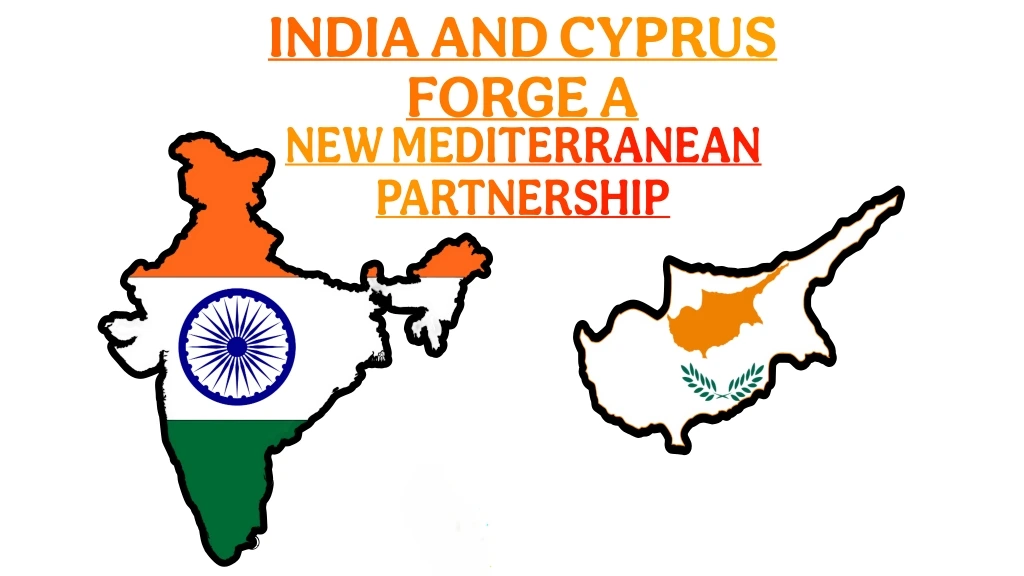
The issue became more significant after the high-level India–Cyprus meeting held on 22 May 2026 in New Delhi. During the summit, both countries elevated their ties to a Strategic Partnership and announced deeper defence cooperation. According to an official joint statement released by the Prime Minister’s Office of India, both countries agreed to expand cooperation in defence, maritime security, trade connectivity, cybersecurity, and regional strategic initiatives
Why India Cyprus Defence Relations Matter
India and Cyprus have maintained diplomatic relations for decades. However, recent geopolitical tensions have given the partnership a new strategic purpose. Cyprus occupies a highly important location in the Eastern Mediterranean. Therefore, it offers India greater access to European maritime corridors and regional security discussions. In addition, Cyprus can serve as a strategic gateway between Europe, the Middle East, and Asia.
India has also expanded cooperation with Greece in recent years. Together, Greece and Cyprus form an important strategic bloc in the Mediterranean. This matters because Turkey has long-standing disputes with both countries over maritime zones and regional influence. Meanwhile, Turkey continues to strengthen defence and diplomatic ties with Pakistan. Ankara has frequently supported Pakistan on Kashmir-related narratives. As a result, many analysts now see India’s Mediterranean outreach as a balancing strategy.
The 22 May 2026 Meeting Changed the Equation
The meeting between Prime Minister Narendra Modi and Cyprus President Nikos Christodoulides marked a major diplomatic moment in India’s Mediterranean outreach. During the 22 May 2026 talks, both countries elevated bilateral ties to a Strategic Partnership and agreed to deepen cooperation in defence, maritime security, cybersecurity, trade connectivity, and counterterrorism. The leaders also discussed the strategic importance of the India–Middle East–Europe Economic Corridor (IMEC) and regional stability in the Eastern Mediterranean. Both countries agreed to launch a five-year defence cooperation roadmap for 2026–2031. The discussions covered:
Maritime Security
Both countries agreed to improve cooperation on naval coordination, secure shipping routes, and regional sea surveillance in the Eastern Mediterranean. The discussions also focused on protecting critical maritime trade corridors, enhancing maritime domain awareness, and supporting freedom of navigation in strategically important waters.
Cybersecurity
India and Cyprus discussed strengthening digital security systems and cooperation against cyber threats, hacking, and online espionage. The partnership may also include information sharing, capacity building, and collaboration to protect critical infrastructure, government networks, and financial systems from emerging cyber risks.
Defence Industry Cooperation
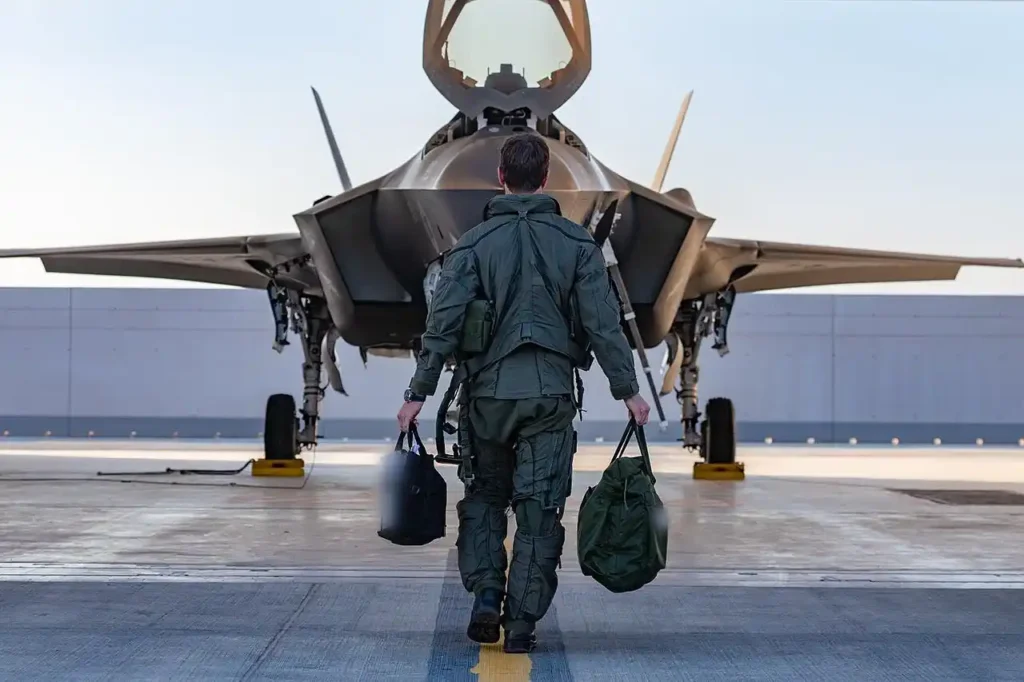
The partnership includes possible defence equipment sales, technology sharing, and future collaboration between military industries. Cyprus has shown interest in India’s growing defence manufacturing sector, creating opportunities for joint projects, defence exports, and cooperation in advanced military technologies
Counterterrorism
Both sides pledged closer intelligence sharing and joint efforts against terrorism, extremism, and cross-border security threats. The cooperation aims to improve information exchange, strengthen security coordination, and support international efforts to combat terrorist networks and violent extremism
Trade Connectivity
India and Cyprus aim to improve transport, logistics, and trade links connecting Asia, the Middle East, and Europe. The discussions also highlighted the potential role of Cyprus in facilitating regional connectivity projects and supporting broader economic corridors such as the India–Middle East–Europe Economic Corridor (IMEC).
Energy Security
The discussions focused on stable energy supply routes, regional gas developments, and long-term energy cooperation in the Mediterranean region. Both countries emphasized the importance of secure energy networks, diversified supply chains, and collaboration in areas that can contribute to regional energy stability.
Moreover, Cyprus reportedly expressed interest in Indian defence equipment and military technology cooperation. The meeting also highlighted support for the India–Middle East–Europe Economic Corridor (IMEC). This trade route project is expected to reshape global connectivity between Asia and Europe. Importantly, maritime security emerged as one of the central themes. Both sides stressed the importance of secure shipping lanes and stable supply chains in the Mediterranean region.
Turkey Sees the Eastern Mediterranean as Vital
For Turkey, the Eastern Mediterranean is not simply a regional issue. Instead, it is closely linked to national security, energy exploration, and geopolitical influence. Turkey has long-standing disputes with Cyprus and Greece over maritime boundaries, offshore gas reserves, naval zones, and territorial rights. These disputes involve control over sea borders, access to valuable energy resources beneath the seabed, military presence in strategic waters, and legal claims over islands and surrounding maritime areas under international law.
sSBecause of these tensions, any expanding defence cooperation involving Cyprus immediately attracts Ankara’s attention. Although India’s growing presence in the region may not directly target Turkey, Turkish policymakers could still interpret these developments as part of a wider strategic alignment against Ankara’s interests. Furthermore, India’s closer engagement with Greece and Cyprus may gradually reduce Turkey’s diplomatic influence in some Mediterranean discussions.
Maritime Security and Energy Routes Are Driving Policy
The modern geopolitical competition in the Mediterranean is increasingly shaped by energy and shipping routes. Consequently, maritime security has become a major strategic priority. The Eastern Mediterranean contains important natural gas reserves. At the same time, Europe is searching for alternative energy sources and trade routes. India’s involvement in this region could provide several long-term advantages:
- Stronger maritime connectivity,
- Diversified energy access,
- Closer European partnerships,
- Expanded naval diplomacy.
Cyprus also provides strategic geographic access near critical shipping corridors. Therefore, India’s engagement is not only symbolic but also economically and strategically important. Turkey understands this reality clearly. That is why Ankara remains highly sensitive to any new regional defence alignments.
India’s Wider Mediterranean Strategy
India’s foreign policy has evolved significantly during the past decade. Earlier, New Delhi focused mainly on South Asia and the Indo-Pacific. Now, its diplomatic reach is expanding toward the Middle East and the Mediterranean. This shift reflects India’s broader global ambitions.
India is attempting to secure international trade routes, expand defence partnerships, and strengthen long-term energy security as part of its broader foreign policy strategy. At the same time, New Delhi is working to increase its strategic influence across multiple regions, including the Indo-Pacific, the Middle East, and the Eastern Mediterranean.
The Cyprus partnership fits naturally into this strategy. At the same time, India’s relations with Greece, France, and several Gulf countries have also expanded. Collectively, these partnerships may create a new geopolitical network stretching from the Indo-Pacific to Europe. As a result, Turkey could face a more competitive strategic environment in the future.
Possible Global Consequences of India Cyprus Defence Relations
The deeper India–Cyprus partnership could have implications beyond the Mediterranean.
First, the growing India Cyprus Defence partnership may strengthen India’s diplomatic influence within European political circles. Since Cyprus is a member of the European Union, closer ties with Nicosia could help India expand engagement with European institutions and policymakers. The India Cyprus Defence relationship may also improve cooperation on trade, connectivity, technology, maritime security, and wider regional discussions between India and Europe.
Second, the growing strategic coordination between India, Greece, and Cyprus may encourage Turkey to deepen cooperation with Pakistan and other regional partners. Ankara could respond by expanding defence collaboration, diplomatic coordination, and military partnerships to protect its strategic influence in the Eastern Mediterranean and South Asia.
Third, maritime competition in the Eastern Mediterranean could intensify as more global powers enter the region. Countries are increasingly focusing on naval presence, shipping routes, offshore energy resources, and strategic ports. As partnerships and military cooperation expand, regional tensions over maritime influence and economic control could also grow.
Finally, the partnership may contribute to the emergence of new geopolitical blocs connected through trade corridors, naval cooperation, and energy security.
A Strategic Relationship With Long-Term Implications
The India–Cyprus relationship is no longer limited to traditional diplomacy. Instead, it is becoming part of a larger geopolitical transformation involving Europe, the Mediterranean, and Asia. Turkey remains central to this evolving equation because of its strategic location and regional ambitions. Consequently, every new defence initiative involving Cyprus carries broader geopolitical meaning.
Although direct confrontation remains unlikely, strategic competition is clearly increasing. The Eastern Mediterranean is entering a new diplomatic phase, and India is gradually becoming an important player in that region. The long-term impact of these partnerships will depend on how regional powers respond in the coming years. However, one reality is already visible: the Mediterranean power balance is slowly changing.
Conclusion
The growing India Cyprus Defence partnership signals India’s expanding strategic role in the Eastern Mediterranean. Through stronger defence, maritime, and energy cooperation with Cyprus and Greece, India is building new regional influence while balancing the Turkey–Pakistan relationship.
For Turkey, these developments matter because the Mediterranean is critical to its security, energy interests, and geopolitical position. Although direct conflict remains unlikely, the new partnerships could reshape regional diplomacy, maritime security, and future power equations in the Mediterranean.
By Gurmeet Kour | Geopolitical Analyst